

WeVote

Bill

Bill

S 246

Interstate Transport Act of 2025

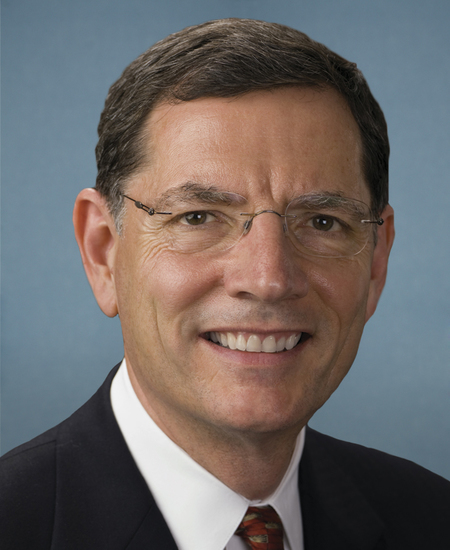
119th Congress Introduced by John Barrasso and 8 co-sponsors

Bill S 246 improves access to hearing aids in Massachusetts by ensuring transparent pricing, regulating sales practices, and protecting consumer rights for better choices.

Committee on Commerce, Science, and Transportation. Reported by Senator Cruz without amendment. With written report No. 119-96.
0
WeVote Research Nonpartisan
Bill Summary · S 246

Summary of Bill S 246: An Act to Reduce Inequities in Access to Hearing Aids

Purpose and Intent

Bill S 246 aims to enhance access to hearing aids for individuals in Massachusetts, addressing existing inequities in the market. The legislation seeks to ensure that consumers can obtain hearing aids in a more transparent and fair manner, particularly by regulating the sale practices of healthcare providers.

Key Provisions

The bill introduces several significant changes to existing laws regarding the sale and distribution of hearing aids:

  1. Amendment to Physician Sales Restrictions:

    • The bill modifies Section 73 of Chapter 93 of the General Laws, prohibiting physicians from selling hearing aids or having any financial interest in businesses that sell hearing aids to patients they have treated.
    • Exceptions are made for otolaryngologists and nonprofit organizations, clinics, hospitals, or healthcare facilities that sell hearing aids dispensed by licensed audiologists or hearing instrument specialists.
  2. Disclosure Requirements:

    • Audiologists and otolaryngologists who sell hearing aids must provide prospective purchasers with a written estimate of the total costs involved. This includes:
      • The price of the hearing aid
      • Costs for earmolds, batteries, and accessories
      • Any associated service costs
    • They must also inform consumers of their right to purchase hearing aids from alternative sources.
  3. Employment and Affiliation Clarifications:

    • The bill clarifies that audiologists and hearing instrument specialists can dispense or sell hearing aids while employed by or affiliated with an otolaryngologist.
  4. Consumer Protection:

    • Violations of the provisions outlined in the bill will also constitute violations under Chapter 93A, which pertains to unfair or deceptive acts and practices.

Affected Parties

  • Consumers: Individuals needing hearing aids will benefit from increased transparency in pricing and the ability to choose from multiple sources.
  • Healthcare Providers: Physicians, particularly audiologists and otolaryngologists, will face new regulations regarding the sale of hearing aids, impacting their business practices.
  • Healthcare Facilities: Nonprofit organizations and clinics will have clearer guidelines for selling hearing aids.

Procedural Timeline

  • Introduced: February 27, 2025
  • Referred to Committee: Initially to the Committee on Consumer Protection and Professional Licensure, and later reported favorably by the committee on Health Care Financing on November 13, 2025.
  • Hearing Scheduled: A public hearing is set for September 8, 2025, from 10:00 AM to 1:00 PM.

Conclusion

Bill S 246 represents a significant step towards improving access to hearing aids in Massachusetts by enhancing consumer protections and ensuring fair practices in the sale of these essential devices. The proposed changes aim to create a more equitable landscape for individuals with hearing impairments, ultimately promoting better health outcomes and quality of life.

Compiled from official sources — confirm details with the bill’s official record.

Sign in to ask a question.