

WeVote

Bill

Bill

SB 1446

Interception and Disclosure of Oral Communications

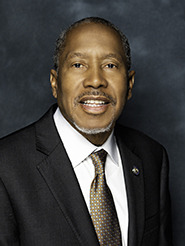
2026 Regular Session Introduced by Darryl Rouson

SB 1446 modifies Florida's rules for intercepting and disclosing private conversations, affecting police surveillance authority and citizens' privacy rights in criminal investigations and civil contexts.

Died in Criminal Justice
0
WeVote Research Nonpartisan
Bill Summary · SB 1446

Legislative bill overview

SB 1446 addresses the legal framework governing interception and disclosure of oral communications in Florida, likely modifying wiretapping laws, surveillance procedures, or requirements for obtaining authorization to record conversations. The bill has been referred to Criminal Justice, Judiciary, and Rules committees, suggesting it involves substantial changes to existing statute.

Why is this important

Oral communication laws directly affect privacy rights, law enforcement capabilities, and criminal prosecution. Changes to interception standards can either strengthen privacy protections for citizens or expand investigative tools for authorities—both have significant constitutional and practical implications for criminal cases and civil liability.

Potential points of contention

  • Privacy vs. law enforcement balance: Clarifying when police can intercept communications without warrants versus requiring stricter judicial oversight
  • Two-party consent requirements: Whether Florida requires all parties to consent to recording or allows one-party recording, which varies by jurisdiction and creates enforcement challenges
  • Disclosure liability: Who can be held civilly or criminally liable for unlawfully disclosing recorded conversations, and under what circumstances

Compiled from official sources — confirm details with the bill’s official record.

Sign in to ask a question.