

WeVote

Bill

Bill

A 11163

Increases the occupancy tax in the county of St. Lawrence

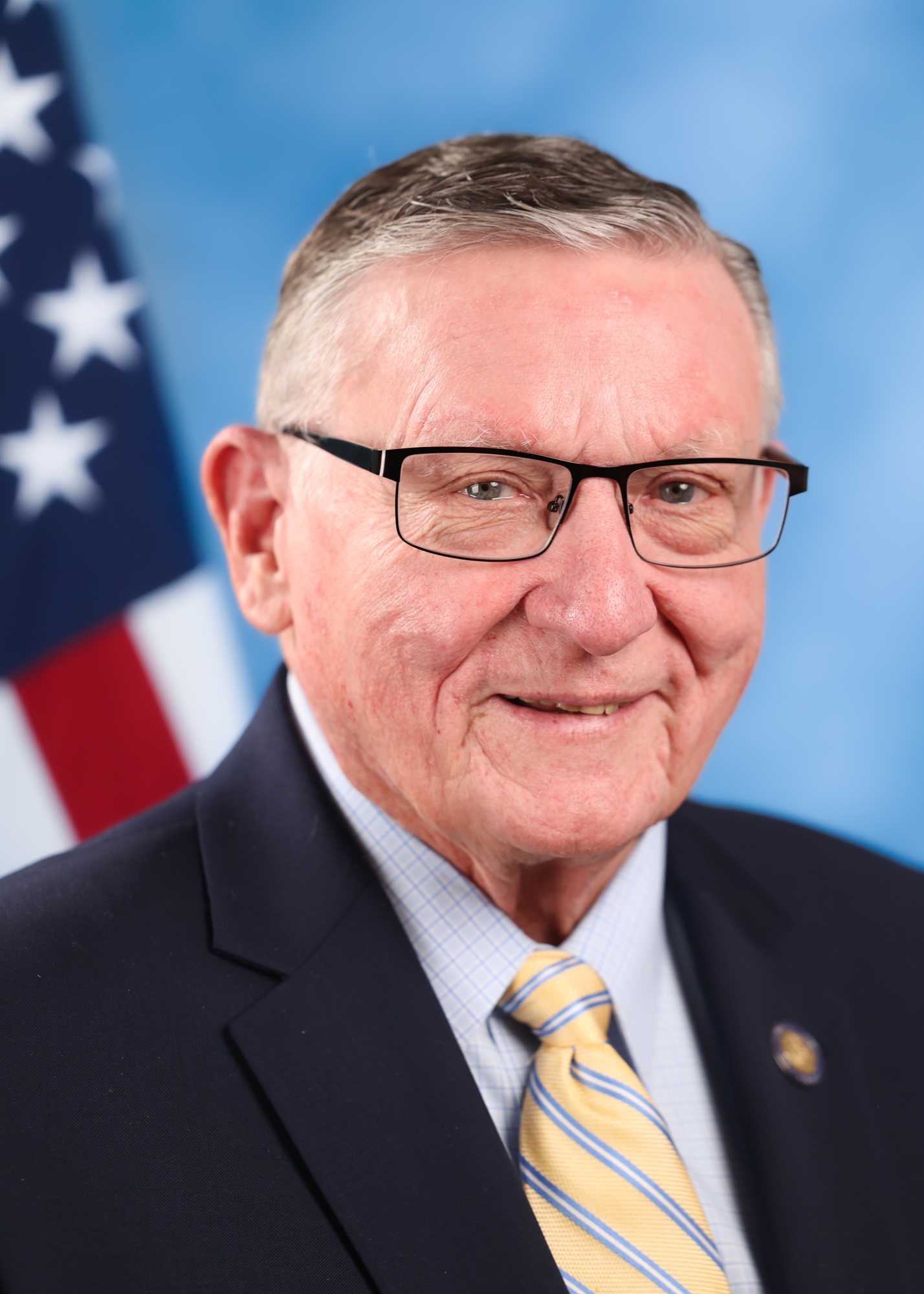
2025 Regular Session Introduced by Ken Blankenbush and 1 co-sponsor

The bill raises St. Lawrence County’s occupancy tax on short-term lodgings to boost revenue for tourism and related services.

SUBSTITUTED BY S10029
0
WeVote Research Nonpartisan
Bill Summary · A 11163

Bill Overview

  • Bill: A 11163
  • Session: 2025-2026
  • Jurisdiction: New York
  • Title: Increases the occupancy tax in the county of St. Lawrence
  • Current status: Reported and advanced through Rules; substituted by S10029 and ordered to third reading
  • Sponsors: Co-sponsors Scott Gray and Ken Blankenbush

Purpose and Intent

  • The bill proposes increasing the occupancy (hotel/motel) tax in St. Lawrence County.
  • The occupancy tax is a levy on short-term lodging rents (typically a percentage of the room rate) collected by lodging establishments and remitted to the county.
  • The general aim is to raise additional revenue for the county, potentially to fund tourism promotion, infrastructure, or other county services that benefit visitors and residents.

Key Provisions and Changes

  • Tax Rate Increase: The bill would raise the existing occupancy tax rate in St. Lawrence County. (The exact new rate is not specified in the summary provided; the text of the bill would designate the precise percentage or amount.)
  • Applicability: Applies to short-term lodgings within St. Lawrence County, including hotels, motels, inns, and similar accommodations that collect occupancy taxes from guests.
  • Use of Revenues: The bill would specify or allow uses for the increased revenues. Common permitted uses include tourism marketing, convention promotion, and funding for local parks, visitor centers, transportation improvements, and other county services impacted by tourism. The specific allocations or programs would be detailed in the bill.
  • Administration and Collection: Lodging establishments would continue to collect the tax at the point of sale and remit to the county government under the same or revised administration provisions. The bill may adjust reporting intervals, filing, remittance deadlines, or enforcement mechanisms as needed to accommodate the higher rate.
  • Sunset or Cap (if any): Some occupancy tax bills include sunset provisions or caps to review performance and impact; the summary does not indicate whether such provisions exist in A 11163. The bill text would indicate any expiration or renewal requirements.

Who Would Be Affected

  • Lodging Establishments: Hotels, motels, inns, and short-term rental providers in St. Lawrence County that are currently subject to the county occupancy tax.
  • Visitors and Guests: Individuals paying for overnight lodging in St. Lawrence County would incur a higher occupancy tax reflected in their lodging charges.
  • County Revenue and Programs: The county government would receive increased tax revenues and would allocate funds according to statute or appropriation language in the bill, potentially affecting funding for tourism, infrastructure, and related services.
  • Local Businesses Dependent on Tourism: Tourism-related sectors (restaurants, entertainment, attractions) may indirectly benefit from enhanced tourism promotion funded by the increased revenues.

Procedural and Timeline Aspects

  • Referral and Committee Action:
    • Referred to Ways and Means (April 29)
    • Reported to Rules (June 3)
    • Rules reported Cal. 609; substituted by S10029 (June 5)
    • Ordered to third reading (June 5)
  • Next Steps: As a Rules-calculated measure substituted by a Senate counterpart (S10029), the bill would advance to third reading in the Assembly once calendar rules permit, and then proceed to potential floor consideration and passage.
  • Effective Date: The bill would specify an effective date for the new tax rate after enactment and potential transition provisions.

Potential Impacts and Considerations

  • Economic Impact: A higher occupancy tax could increase costs for visitors staying in St. Lawrence County; projected revenue would depend on occupancy rates and tourist demand.
  • Tourism Promotion: If directed toward tourism marketing and infrastructure, the measure could enhance visitor experiences and sustain local hospitality industries.
  • Local Autonomy: Increases to local taxes are common tools for county-level budgeting, but typically require legislative authorization and may be subject to voter or state-level review depending on applicable statutes.

Notes

  • Exact tax rate increases, allocations of revenue, and any sunset or expiration clauses are defined in the bill text and would clarify the full scope and duration of the change.
  • The substitute language (S10029) may modify provisions from the original A 11163; the final form will determine precise impact and administration.

Compiled from official sources — confirm details with the bill’s official record.

Sign in to ask a question.