

WeVote

Bill

Bill

A 4263

Increases the income eligibility threshold for the tuition assistance program

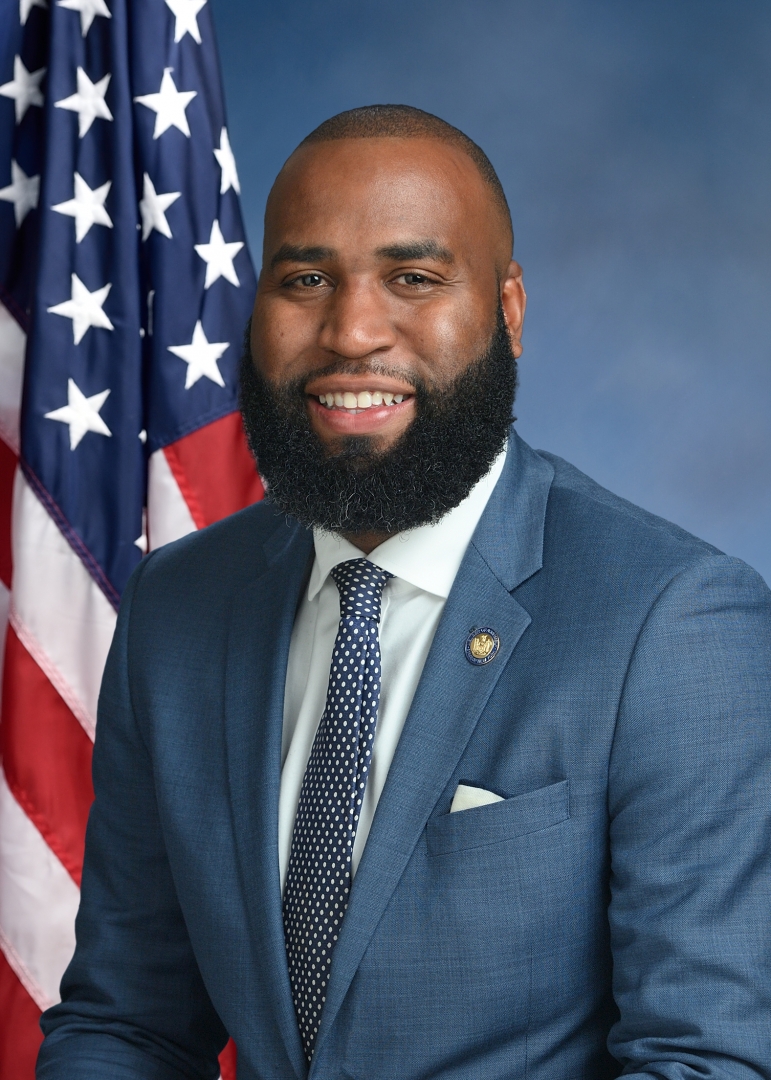
2025 Regular Session Introduced by Brian Cunningham

Raises the income threshold for the state tuition assistance program, expanding eligibility to more families and increasing demand on funding.

REFERRED TO HIGHER EDUCATION
0
WeVote Research Nonpartisan
Bill Summary · A 4263

Bill A 4263 — Summary

Overview

Bill A 4263, introduced on January 31, 2025, seeks to increase the income eligibility threshold for the state tuition assistance program. The primary aim is to broaden access to tuition aid by allowing students from higher-income families to qualify.

What the bill would change

  • The central change is an increase to the income limit used to determine eligibility for the tuition assistance program.
  • Specific details, including the exact new threshold, phase-in schedules, and any related eligibility criteria, would be set forth in the bill’s text. (Only the general aim—raising the threshold to expand eligibility—is available in the provided information.)

Impact and who would be affected

  • Beneficiaries: Students who meet the new, higher income threshold would become eligible for tuition assistance, potentially expanding access to financial aid for families previously above the prior limit.
  • Institutions and programs: Postsecondary institutions participating in the tuition assistance program could see changes in eligibility determinations and associated administrative processes.
  • Fiscal considerations: Expanding eligibility could increase demand on the tuition assistance program and require adjustments to funding or appropriations; the bill’s text would specify any expected budgetary implications.

Procedural and timeline aspects

  • Introduced: January 31, 2025.
  • Current status: Referred to the Higher Education Committee on January 31, 2025. The available information lists this committee referral as the action, with no additional actions documented.
  • Legislative path: After committee referral, the bill would typically proceed to committee hearings, potential amendments, and then floor votes in the chamber. If passed, it would move to the other house (if applicable) and follow similar procedural steps toward enactment.

Sponsorship

  • Primary sponsor: Brian Cunningham.

Related legislation

  • A 7967 (prior-session) is listed as related, suggesting a related or companion measure from a prior session that pursued a similar objective.

Notes

  • This summary reflects the information provided. The bill’s exact threshold, implementation details, and any fiscal notes would be contained in the full text and any accompanying analyses once released by the committee.

Compiled from official sources — confirm details with the bill’s official record.

Sign in to ask a question.