Summary: New Jersey Assembly Bill A 3132
Overview
A 3132 is an Assembly bill introduced on January 9, 2024, and currently REFERRED TO CODES. The introduced version envisions broadening professional and occupational licensure by providing reciprocity for veterans. It would supplement existing law (P.L.1978, c.73, C.45:1-14 et seq.) by requiring boards that issue professional licenses to recognize licenses, training, education, or experience earned during or after military service, including credentials obtained in other jurisdictions.
Purpose and Intent
- Facilitate veteran access to professional and occupational licensure in New Jersey.
- Eliminate unnecessary barriers created by non-portability of licenses across states.
- Promote employment opportunities for veterans by recognizing equivalent military-earned credentials and experience.
Key Provisions
1) Reciprocity and issuance of licenses
- A professional or occupational board (designated in section 2 of P.L.1978, c.73) that issues a license, certificate of registration, or certification must issue such credential to an applicant who has:
- a license and equivalent training, education, or experience earned while serving in the Armed Forces (or after service), regardless of whether the credentials were obtained during or outside military service.
2) Eligibility and evidence required
- The board must issue the license if the applicant:
- was honorably discharged from active military service;
- holds a license, certificate, or registration in good standing in another jurisdiction; and
- complies with all other licensure requirements (including any examination, if applicable).
3) Evaluation of equivalent credentials
- Boards may require documentation to determine eligibility.
- Boards must provide methods for evaluating equivalent training, education, or experience from another jurisdiction.
- Importantly, no evaluation method may require the same number of hours of experience as the other jurisdiction.
4) Effective date
- The act would take effect on the first day of the third month after enactment.
- Boards may take anticipatory administrative actions prior to that date to implement the act.
Affected Entities
- Professional and occupational boards under the state’s licensure framework.
- Military veterans possessing out-of-state licenses or credentials (honorably discharged).
- Applicants seeking licensure in New Jersey who have military-earned credentials.
Legislative History and Sponsors
- Introduced in the Assembly on January 9, 2024.
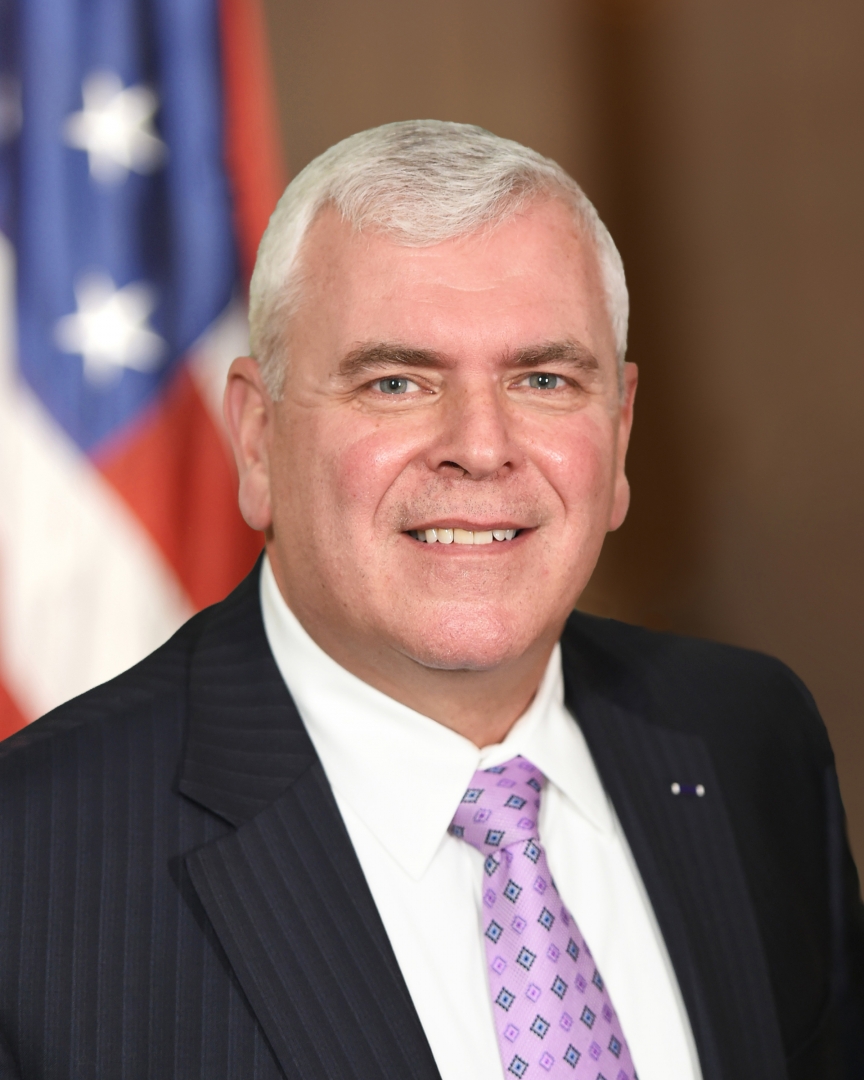
- Sponsored by: Matthew Simpson (primary) and Joe Angelino (cosponsor).
- Status: Referred to the Codes Committee (with related references showing continued action in subsequent years).
Related/Companion Legislation
- Companion bill: S 1148.
- Related previously enacted or discussed bills include A 10661 and S 224 (companions).
Potential Impact
- Positive: Easier licensure for veterans, smoother transition into civilian careers, and potential growth in regulated professions due to expanded veteran mobility.
- Considerations: Administrative costs to boards for evaluating out-of-state credentials; ensuring consistent professional standards while maintaining public safety.
Notes
- The bill focuses on licensure reciprocity and does not alter substantive licensing standards beyond facilitating recognition of military-earned credentials and ensuring reasonable evaluation methods.