

WeVote

Bill

Bill

SB 816

Income tax; providing credit for certain child care expenses; providing credit for qualifying child care worker. Effective date.

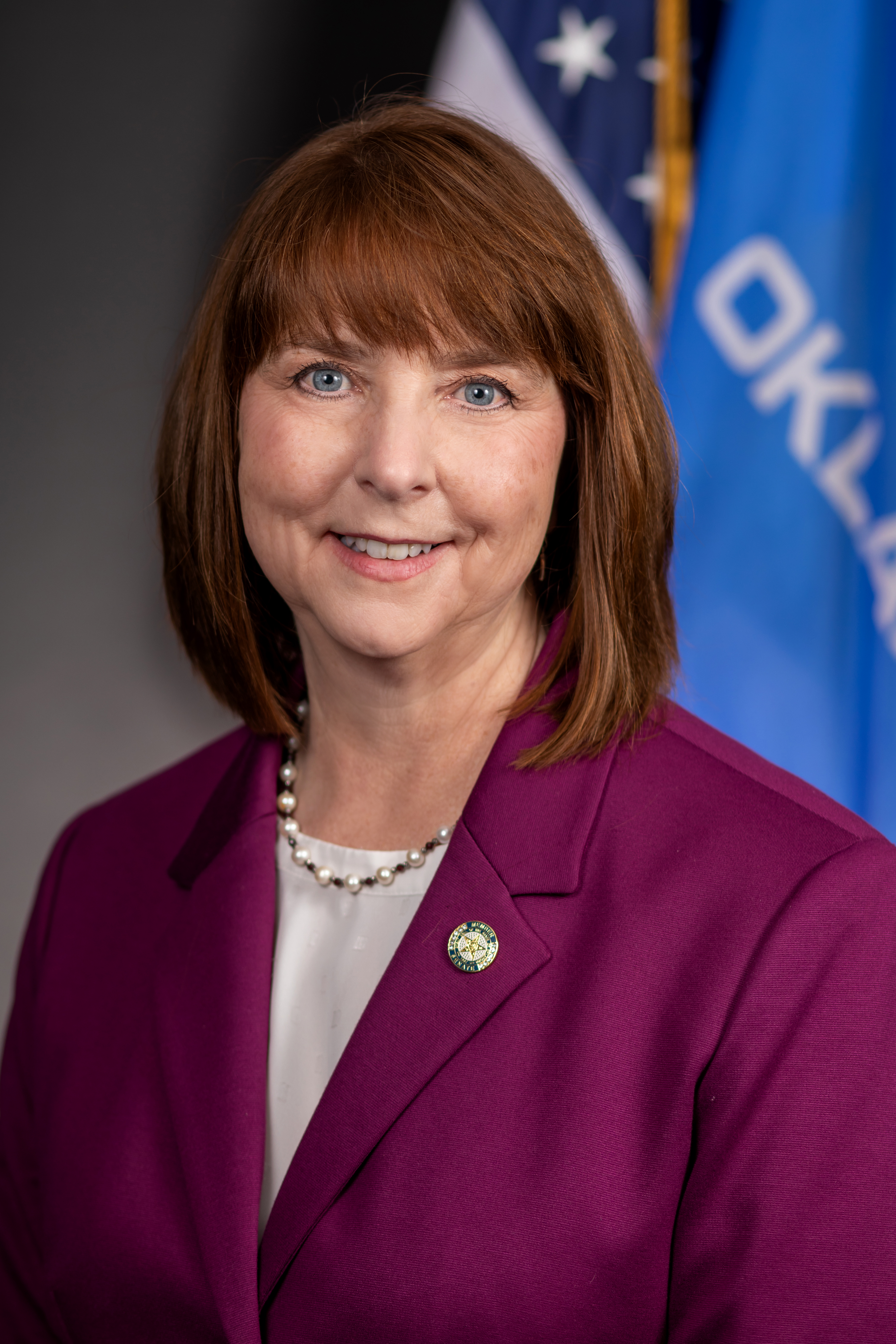
2025 Regular Session Introduced by Mary Boren

Oklahoma bill creates state income tax credits for families with child care expenses and for child care workers to boost affordability and workforce compensation.

Second Reading referred to Revenue and Taxation Committee then to Appropriations Committee
0
WeVote Research Nonpartisan
Bill Summary · SB 816

Legislative bill overview

SB 816 proposes to establish income tax credits in Oklahoma for two categories: families paying for child care expenses and workers employed in the child care industry. The bill creates financial incentives through the tax code to address both child care affordability for families and workforce compensation in the child care sector.

Why is this important

Child care costs represent a significant household expense that affects workforce participation, particularly for lower and middle-income families. By targeting tax relief to both consumers and workers, this bill addresses two interconnected economic challenges: making child care more affordable and potentially improving wages/retention in a sector that experiences chronic staffing shortages.

Potential points of contention

  • Revenue impact: Tax credits reduce state revenue; fiscal analysis will determine if the state can absorb these costs or if spending cuts elsewhere are necessary
  • Credit design details: The bill's effectiveness depends on critical missing details—income eligibility limits, credit amounts, and whether credits are refundable (returning money to filers who owe no tax) or non-refundable
  • Worker eligibility criteria: Defining what qualifies as a "child care worker" and which employers are covered will significantly affect program scope and cost; determining if this includes home-based providers, religious institutions, or only licensed facilities remains unclear

Compiled from official sources — confirm details with the bill’s official record.

Sign in to ask a question.