

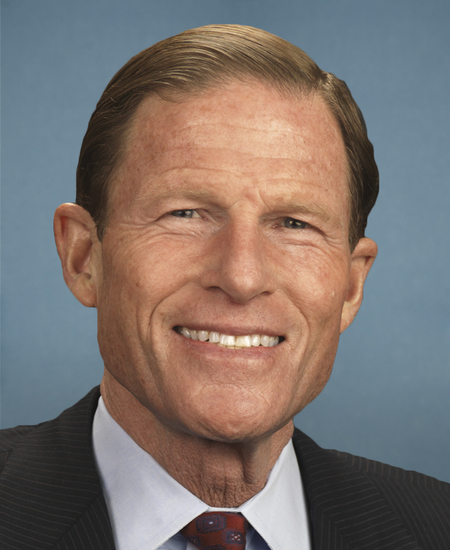
Improving Veteran Access to Care Act
Bill S 607 establishes licensure for dietitians and nutritionists, ensuring qualified practitioners protect consumers and standardize practices in dietary advice.
Bill S 607 aims to establish a formal licensure process for dietitians and nutritionists, thereby regulating the practice of these professions. The bill seeks to ensure that individuals providing dietary and nutritional advice meet specific educational and professional standards.
The primary intent of Bill S 607 is to:
- Enhance Public Safety: By requiring licensure, the bill aims to protect consumers from unqualified practitioners.
- Standardize Practices: Establishing a licensure framework will create uniform standards for education, training, and practice among dietitians and nutritionists.
The bill includes several significant provisions:
- Licensure Requirements: Individuals wishing to practice as dietitians or nutritionists must meet specific educational qualifications and pass a licensing examination.
- Continuing Education: Licensed professionals will be required to complete ongoing education to maintain their licensure, ensuring they stay current with best practices and advancements in the field.
- Scope of Practice: The bill outlines the specific services that licensed dietitians and nutritionists are authorized to provide, clarifying their roles in healthcare and wellness.
- Repeal of Previous Regulations: The bill includes a provision to repeal any conflicting or outdated regulations regarding the practice of dietetics and nutrition.
The following groups will be impacted by the enactment of Bill S 607:
- Dietitians and Nutritionists: Current practitioners will need to obtain licensure to continue practicing legally.
- Consumers: Individuals seeking dietary and nutritional advice will benefit from increased assurance of professional standards and qualifications.
- Educational Institutions: Schools offering programs in dietetics and nutrition will need to align their curricula with the new licensure requirements.
Bill S 607 represents a significant step towards regulating the dietetics and nutrition professions, aiming to enhance public safety and standardize practices. As it progresses through the legislative process, stakeholders in the health and wellness sectors will be closely monitoring its developments.
Compiled from official sources — confirm details with the bill’s official record.
Sign in to ask a question.