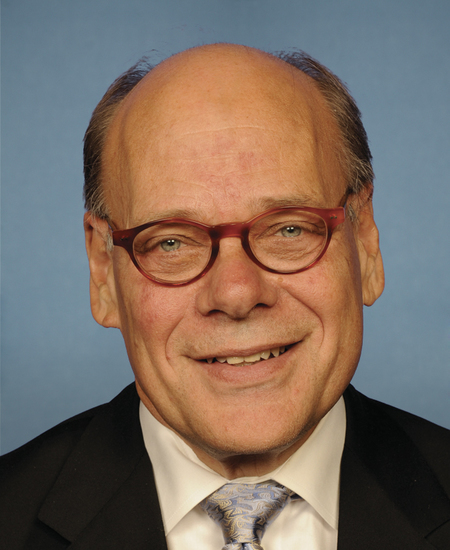
Impeaching Donald J. Trump, President of the United States, for high crimes and misdemeanors
Note: This is a House resolution proposing Articles of Impeachment against President Donald J. Trump. It reflects the text as introduced and organized by its sponsors.
The bill outlines twelve (Articles I–XII) allegations, each alleging specific misconduct. The articles describe Trump’s actions as impeachable on grounds including, but not limited to, the following themes (summarized):
Article I – War powers, murder, piracy: Accuses Trump of usurping Congress’s power to declare war, initiating or supporting military actions without authorization, committing war crimes, blockading Venezuela, and piracy relating to oil resources. Claims expansion of conflict with Iran, Yemen, Lebanon, Syria, Nigeria, and Gaza without authorized congressional approval.
Article II – Militarization of domestic law enforcement: Claims unconstitutional national emergencies and use of National Guard to suppress protests; aims to chill First Amendment rights.
Article III – Serial unconstitutional detentions and deportations: Alleges targeted deportations based on race/ethnicity or political opposition; references use of Alien Enemies Act under false pretenses.
Article IV – Retaliation against constitutionally protected speech/association: Cites executive orders restricting speech and purging DOJ/FBI personnel tied to investigations (e.g., January 6) and other orders viewed as political retaliation against opponents or dissenters.
Article V – Abuse of the pardon power: Claims pardons (including for January 6-related offenses and others) were used to reward political supporters and potentially undermine accountability; alleges preemptive pardons for would-be crimes.
Article VI – Undermining programs for consumers, the needy, workers, environment: Accuses dismantling or crippling federal programs and agencies via staffing, funding cuts, or policy changes.
Article VII – Usurpation of the congressional power of the purse: Asserts improper withholding or redirection of funds, use of private funds for government purposes, and actions to bypass appropriations laws (including Impoundment Control Act and Anti-Deficiency Act).
Article VIII – Contempt of Congress / secret government: Accuses defiance of congressional oversight, withholding information, and failure to disclose evidence (e.g., a video of alleged killings, Epstein files).
Article IX – Perverting law enforcement to prosecute political opponents and benefit friends: Claims efforts to pursue or dismiss cases for political reasons, targeting opponents and advantageous protection for allies.
Article X – Suspending or dispensing with laws: States firing Inspectors General without proper statutory notice, and general assertion of non-enforcement or selective enforcement of laws.
Article XI – Violating the Fourteenth Amendment (birthright citizenship) constraints: Cites an executive action claimed to strip or alter birthright citizenship contrary to the Fourteenth Amendment and related case law.
Article XII – Specious national emergency / foreign terrorism designations: Alleges false national energy/emergency declarations and related proclamations to justify actions abroad, including listing Venezuela in a foreign terrorist organization framework.
Article XIII – Domestic and foreign emoluments clauses: Alleges ongoing conflicts of interest from unresolved business ties and financial interests, accusing Trump of engaging in self-enrichment at the expense of loyalty to the United States.
Note: The articles reference various dates (e.g., actions on January 20, 2025, January 24, 2025) and specific statutory/legal framings, some of which are drawn from accompanying narrative and sources cited in the text.
If you’d like, I can provide a concise side-by-side comparison of each Article’s core allegation and a plain-language rewording of the alleged misconduct.