

WeVote

Bill

Bill

SB 3115

IMMIGRATION ENFORCEMENT ACT

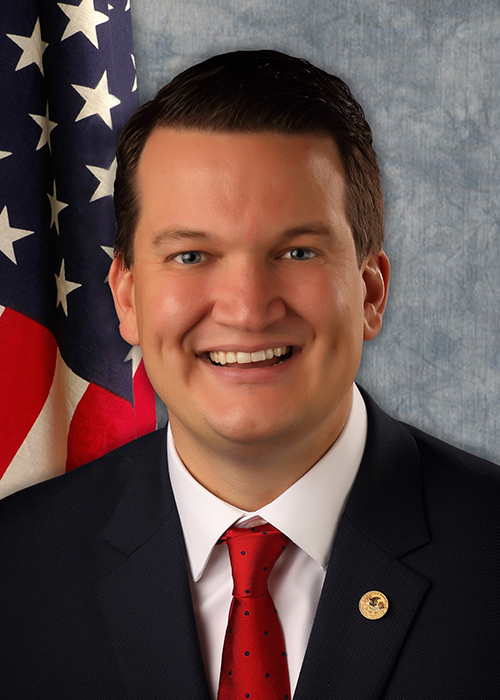
104th Regular Session Introduced by Andrew Chesney

SB 3115 aims to define and regulate state and local immigration enforcement, including cooperation with federal agencies, verification rules, and protections for rights and benefit

Referred to Assignments
0
WeVote Research Nonpartisan
Bill Summary · SB 3115

Overview

SB 3115, introduced in the 104th Illinois General Assembly, is titled the Immigration Enforcement Act. The bill was filed on February 2, 2026, by Senator Andrew S. Chesney (with Chesney as a co-sponsor) and referred to Assignments on the same date. The current status in the provided action history shows only initial filing and referral; no subsequent amendments or readings are listed.

Purpose and intent

  • The bill appears to address immigration enforcement within the state of Illinois. Based on the title, it is designed to establish or expand state-level measures related to immigration compliance and enforcement, potentially defining authorities, responsibilities, and limitations for state and local agencies in relation to immigration status.
  • The exact policy goals, scope, and legal framework would depend on the bill’s text, but typical purposes of immigration enforcement legislation include:
    • Clarifying when state or local law enforcement can cooperate with federal immigration authorities.
    • Limiting or enabling the use of immigration status as a factor in policing or enforcement actions.
    • Establishing reporting, training, or compliance requirements for agencies.

Key provisions (as typically found in immigration enforcement bills)

Note: The specific provisions of SB 3115 are not provided in the summary you supplied. The following are common elements often addressed in immigration enforcement legislation and may appear in a bill with this title. The actual text should be consulted for precise language.

  • State and local law enforcement responsibilities
    • Whether agencies can detain or question individuals based on immigration status.
    • Requirements for training on rights of individuals, non-discrimination, and appropriate use of immigration information.
  • Cooperation with federal agencies
    • Provisions governing information-sharing or joint operations with federal Immigration and Customs Enforcement (ICE) or other federal bodies.
    • Any barriers or permissions related to civil immigration enforcement activities at the state or local level.
  • Identification and verification
    • Rules on verifying immigration status in various contexts (e.g., employment, housing, public benefits) and potential prohibitions on certain practices.
  • Protections and rights
    • Safeguards for lawful residents, asylum seekers, or eligible individuals.
    • Provisions to prevent misuse of state resources or profiling.
  • Public benefits and employment
    • Eligibility criteria for state benefits and whether immigration status can affect access.
    • Employer responsibilities related to verification and penalties for non-compliance (e.g., E-Verify-like provisions).
  • Oversight and reporting
    • Creation or use of advisory boards, audits, or annual reporting on enforcement activities.
    • Metrics to assess impact on communities and lawfulness of enforcement actions.
  • Funding and implementation
    • Allocation of state funds, grants, or reimbursements related to enforcement activities.
    • Implementation timelines and phased adoption if applicable.

Who would be affected

  • State and local law enforcement agencies (police, sheriffs, and potentially campus police) and their personnel.
  • Local governments and municipalities that administer public safety and certain public benefits.
  • Employers and businesses subject to any verification and documentation requirements.
  • Immigrant communities, including individuals with uncertain or mixed immigration status, asylum seekers, and potentially co-parents and family members.
  • Civil rights, immigrant rights, and advocacy organizations that monitor enforcement practices and provide legal assistance.
  • Administrative and service agencies involved in issuing benefits, licenses, or state-issued documents.

Procedural and timeline aspects

  • The current action history shows:
    • February 2, 2026: Filed with Secretary by Sen. Andrew S. Chesney.
    • February 2, 2026: First Reading.
    • February 2, 2026: Referred to Assignments.
  • No further calendar dates (committee hearings, amendments, third reading, or passage) are listed in the provided information. If advanced, typical next steps would include committee consideration, potential amendments, floor votes in the Senate, and then House counterpart actions, followed by potential governor’s action.
  • If enacted, implementation would depend on the bill’s effective date and any required rulemakings or funding appropriations.

Additional notes

  • The summary above reflects the limited information provided. For a precise understanding of SB 3115’s provisions, the full bill text, fiscal impact statement, and any analysis from legislative staff should be reviewed.
  • Given the immigration enforcement topic, readers may want to consider potential implications for civil liberties, community-police relations, and access to public benefits, as well as any costs to state and local governments.

Compiled from official sources — confirm details with the bill’s official record.

Sign in to ask a question.