

WeVote

Bill

Bill

SB 1642

IMDMA-VISITATION-NONPARENTS

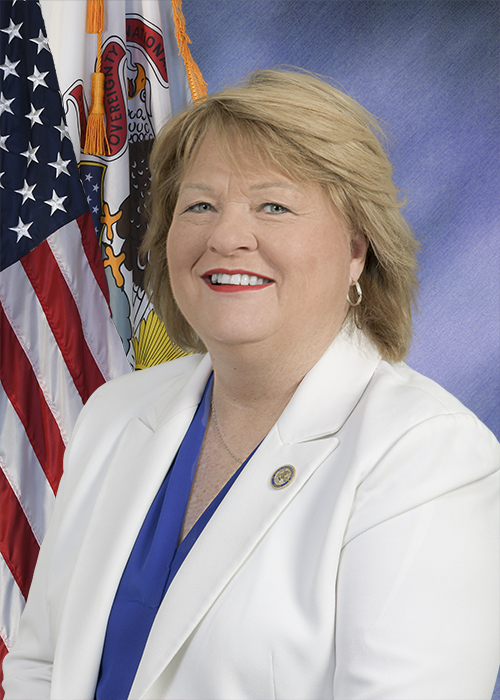
104th Regular Session Introduced by Terri Bryant

The bill requires courts to consider whether losing a non-parent’s relationship with a child would unduly harm the child’s mental, physical, or emotional health when granting visit

Referred to Assignments
0
WeVote Research Nonpartisan
Bill Summary · SB 1642

Summary — SB 1642 (IMDMA — Visitation by Certain Non‑Parents)

Status: Referred to Assignments; Introduced February 25, 2025
Statute amended: 750 ILCS 5/602.9 (Illinois Marriage and Dissolution of Marriage Act)
Primary sponsor (per IMDMA text): Sen. Terri Bryant. (Note: the packet provided includes other, unrelated state bill texts; this summary focuses on the IMDMA visitation provisions.)

Purpose / Intent

The bill clarifies and expands the factors a court must consider when deciding whether to grant visitation to certain non‑parents (grandparents, great‑grandparents, siblings, and step‑parents). Specifically, it directs the court to consider whether the loss of the relationship between the petitioner and the child is likely to harm the child’s mental, physical, or emotional health.

Key provisions

  • Adds and/or emphasizes a statutory factor for the court to consider: any fact showing that loss of the petitioner–child relationship is likely to unduly harm the child’s mental, physical, or emotional health.
  • Retains existing framework and definitions, including:
    • Definitions of “electronic communication,” “sibling,” “step‑parent,” and “visitation.” Electronic contact (phone, email, instant messaging, video conferencing, etc.) is treated as a form of visitation the court may order.
    • The requirement that a non‑parent petition only be filed after an unreasonable denial of visitation by a parent that has caused the child undue harm.
    • A rebuttable presumption that a fit parent’s decisions about visitation are not harmful to the child; the petitioner bears the burden to overcome that presumption.
    • Factors the court must already weigh (child’s wishes and maturity, child’s health, nature/quality of prior relationship with petitioner, good faith of petitioner and parent, amount of time requested and effect on child’s routines, ability to structure visitation to minimize adult conflict).
  • Confirms that visitation orders may include reasonable access (including non‑overnight or non‑possessory contact) and may incorporate electronic communication.
  • States that visitation rights granted prior to adoption or termination of parental rights terminate automatically upon entry of an adoption or termination order (with some exceptions where adoptive parents are related).

Who is affected

  • Petitioners: grandparents, great‑grandparents, siblings (whole or half blood, step), and step‑parents seeking visitation with children (generally age 1 or older under conditions specified).
  • Parents: their decision‑making authority is still afforded a rebuttable presumption of fitness; however, courts will additionally weigh potential harm from severing the non‑parent relationship.
  • Children: courts will expressly consider harm from losing the relationship when deciding visitation, potentially expanding access to contact with non‑parents in some cases.

Procedural / practical notes

  • The bill is an amendment to 750 ILCS 5/602.9 and does not alter other filing conditions (e.g., exclusions for pending juvenile/adoption proceedings).
  • The change is primarily evidentiary/decision‑making: it adds an explicit statutory factor rather than creating a new category of petitioner or sweeping substantive right.
  • Because it keeps the rebuttable presumption favoring parental decisions, the practical effect will depend on how courts apply the new “loss of relationship” factor in close cases.

If you want, I can provide: (1) the current baseline text of 750 ILCS 5/602.9 for comparison, (2) likely scenarios where this change could alter outcomes, or (3) recent case law in Illinois interpreting the existing statute.

Compiled from official sources — confirm details with the bill’s official record.

Sign in to ask a question.