

WeVote

Bill

Bill

SB 3875

IEMA-LOCAL BUSINESS LICENSES

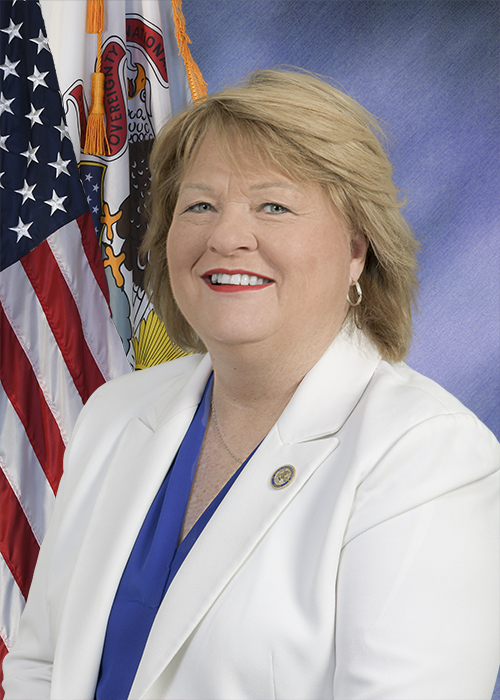
104th Regular Session Introduced by Terri Bryant

The bill clarifies and strengthens IEMA’s coordination with local authorities on issuing and managing business licenses during emergencies.

0
WeVote Research Nonpartisan
Bill Summary · SB 3875

Summary of SB 3875 (104th Illinois General Assembly)

Title

IEMA-LOCAL BUSINESS LICENSES

Purpose and intent

SB 3875 appears to address the relationship between the Illinois Emergency Management Agency (IEMA) and local jurisdictions regarding business licensing. The bill’s overarching aim is to modify requirements, coordination, or procedures related to local business licenses in the context of emergency management, disaster response, or ancillary regulatory activities overseen by IEMA. A co-sponsor listed is Terri Bryant.

Key provisions and changes

  • The bill outlines changes to how IEMA interacts with local governments on business licensing matters. While the exact statutory text is not provided here, typical provisions in this domain may include:

    • Clarifying authority and responsibilities between IEMA and local licensing authorities during emergencies.
    • Establishing or modifying reporting requirements, consultation processes, or timelines for local licenses tied to disaster declarations or emergency programs.
    • Requiring certain license approvals, denials, or suspensions to be coordinated with IEMA, or outlining roles IEMA plays in approving or overseeing local licensing actions during emergencies.
    • Providing standards, definitions, or exemptions relevant to business licensing in the context of emergency management.
  • The bill may introduce procedural timelines (e.g., deadlines for local authorities to act on license applications or to report status to IEMA), and it could establish avenues for IEMA to assist, monitor, or intervene in local licensing decisions during declared emergencies.

  • Potential clarifications of fiscal responsibilities or compliance costs associated with implementing the changes, including any state-assisted funding or grants to support localities in aligning with the new requirements.

Who would be affected

  • Local government licensing authorities: cities, counties, towns, or other local jurisdictions responsible for issuing business licenses.
  • Businesses operating within Illinois that require local business licenses or permits, particularly those operating during emergencies or under programs administered or overseen by IEMA.
  • IEMA itself, in its coordination, oversight, or support role related to local licensing activities.

Procedural and timeline considerations

  • The bill may establish effective dates, transition periods, or phased implementation for localities to adapt to new coordination or licensing processes with IEMA.
  • It could set reporting milestones or periodic reviews to assess compliance and impact.
  • If the bill creates new regulatory requirements, it may include penalties or corrective actions for non-compliance, and specify enforcement mechanisms.

Potential impacts (summary)

  • Improved coordination between state emergency management and local licensing authorities during disasters or emergencies.
  • Increased consistency in how local business licenses are managed in emergency contexts, potentially reducing delays or conflicts.
  • Possible administrative and fiscal implications for localities to implement new processes or reporting requirements.
  • Businesses may experience either streamlined licensing processes in emergency periods or new compliance obligations, depending on the final text.

Note: The above summary is based on the bill’s title and typical contents of statutes dealing with IEMA and local business licenses. For a precise, line-by-line understanding, the bill’s official text, amendments, fiscal notes, and legislative analysis should be consulted.

Compiled from official sources — confirm details with the bill’s official record.

Sign in to ask a question.