

WeVote

Bill

Bill

SB 1959

HWY CD-IMPACT FEES/REFUNDS

104th Regular Session Introduced by Chris Balkema and 2 co-sponsors

The bill requires transparent, standards-based road impact-fee advisory committees and refunds with interest if local governments fail to update impact-fee ordinances by deadlines.

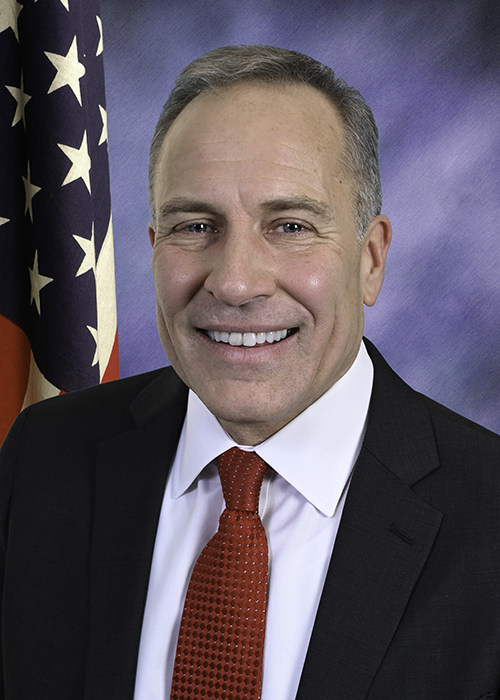
Added as Co-Sponsor Sen. Chris Balkema
0
WeVote Research Nonpartisan
Bill Summary · SB 1959

SB 1959 — Summary

Status: Introduced Feb 6, 2025 (Sen. Cristina Castro). Cosponsors: Sen. Andrew S. Chesney, Sen. Chris Balkema. Amends: 605 ILCS 5/5-907 and 5-918; adds new Section 5-918.1. Companion bill: HB 3525. Effective date: January 1, 2026.

Purpose

To increase transparency and impose compliance requirements on local governments that impose road improvement impact fees, establish advisory committee rules, and require refunds (with interest) if local impact-fee ordinances are not brought into compliance within specified deadlines.

Key provisions

  • Advisory Committee composition and selection (amends Section 5-907)
    • Requires a road improvement impact fee advisory committee of 10–20 members.
    • At least 40% of committee members must be non-governmental representatives from the real estate, development, building industries, and labor communities; these persons may not be employees or officials of the local government.
    • Designation/selection mechanisms are specified (e.g., real estate representatives licensed under the Real Estate License Act and designated by local realty association leadership; development, building, and labor representatives similarly designated by relevant industry organizations or councils).
  • Transparency requirements
    • Each unit of local government that imposes (or intends to impose) impact fees and has created an Advisory Committee must publish on its public website:
    • Names of Advisory Committee members
    • Dates and times the Advisory Committee has met
    • An electronically accessible copy of meeting minutes
  • Removal of prior option to use planning or zoning commission as the Advisory Committee
    • The bill eliminates language allowing a local planning or zoning commission to serve as the advisory committee (and related ad hoc appointment provisions).
  • Transition, compliance deadlines, and refunds (amends Section 5-918; adds 5-918.1)
    • Local governments with an existing impact-fee ordinance/resolution must bring it into conformity within:
    • 12 months from July 1, 2025 (general rule), or
    • 18 months from July 1, 2025 for home-rule units with population >75,000 located in a county with population >600,000 and <2,000,000.
    • If an impacted unit has an impact-fee ordinance in effect on the amendatory Act’s effective date and fails to comply by the deadline, the unit must refund all funds previously collected under the impact-fee ordinance or resolution, plus any interest earned.

Who is affected

  • Units of local government that impose or plan to impose road improvement impact fees (counties and municipalities).
  • Developers, builders, property owners, and others who pay impact fees — potentially eligible for refunds if localities fail to comply.
  • Local industry organizations tasked with designating advisory committee members (real estate boards, developers’ associations, builders’ associations, labor councils).

Timeline & procedural status

  • Introduced Feb 6, 2025; committee referrals and actions occurred March–May 2025.
  • Passed Senate procedural actions and reported favorably in committee (see bill record for detailed votes and calendar placement).
  • Effective date of substantive provisions: Jan 1, 2026; compliance deadlines measured from July 1, 2025.

Potential impact and considerations

  • Increases public transparency of advisory committee membership and activities.
  • Limits use of existing planning/zoning commissions as a substitute committee, potentially requiring formation of new committees or reconstituting membership.
  • Creates financial risk for local governments that fail to timely update ordinances (obligation to refund collected fees plus interest).
  • Municipalities should review and, if needed, amend impact-fee ordinances promptly to avoid refund liability.

Compiled from official sources — confirm details with the bill’s official record.

Sign in to ask a question.