

WeVote

Bill

Bill

SF 2349

Human services commissioner requirement to provide updates on and seek federal approval on children's mental health projects and identifying funding gaps in children's residential facilities; crisis stabilization facility establishment; legislative task force on children's residential facilities establishment; licensing for facilities for youth with sexual behavior concerns; appropriating money

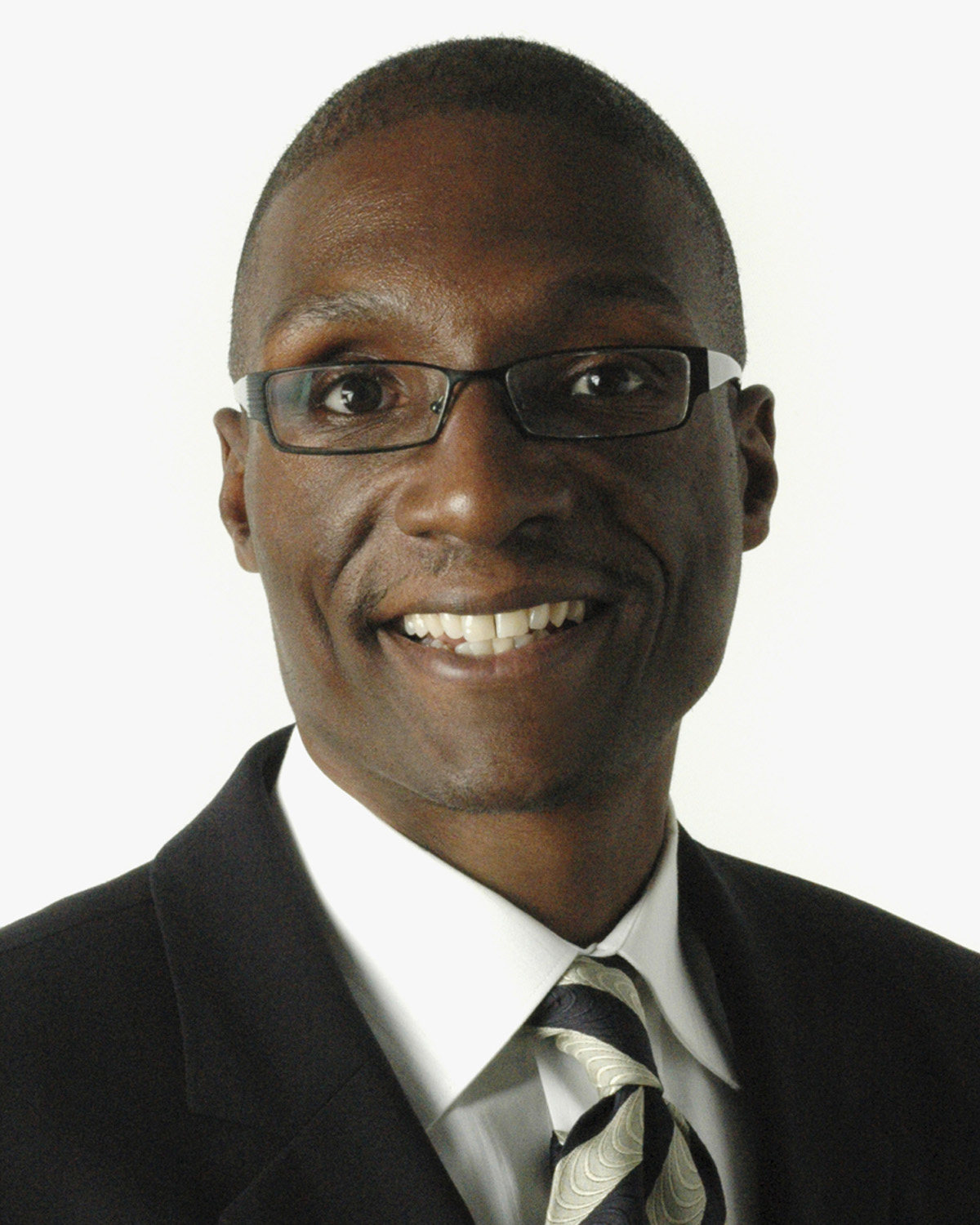
2025-2026 Regular Session Introduced by Bobby Joe Champion and 4 co-sponsors

Directs DHS to expand and regulate children’s mental health services, including establishing a crisis stabilization facility, licensing youth facilities, and identifying funding ga

Referred to Health and Human Services
0
WeVote Research Nonpartisan
Bill Summary · SF 2349

SF 2349 — Summary

Illustrative overview of the bill as introduced on March 10, 2025, with status and related references.

Overview and purpose

SF 2349 would direct the Minnesota commissioner of human services to:
- provide ongoing updates on children's mental health projects and seek applicable federal approvals for those projects;
- identify funding gaps in programs and facilities serving children, including residential facilities;
- establish a crisis stabilization facility;
- create a legislative task force to study and advance the establishment of children’s residential facilities;
- license facilities that serve youth with sexual behavior concerns;
- appropriate money to support these initiatives.

The bill is introduced in the Senate and referred to the Health and Human Services committee. A companion bill exists in House, HF 2040.

Key provisions (as suggested by the bill’s title and description)

  1. Commissioner updates and federal approvals

    • Requires the human services commissioner to provide periodic updates on children’s mental health projects.
    • Requires seeking federal approval for relevant projects where applicable (e.g., grants, waivers, or program authorizations).
  2. Identification of funding gaps

    • Directs the agency to identify and report funding gaps in children’s residential facilities, highlighting unmet needs and potential funding strategies.
  3. Crisis stabilization facility establishment

    • Mandates or authorizes the establishment of a crisis stabilization facility to serve children, potentially to provide short-term, around-the-clock stabilization services.
  4. Legislative task force on children’s residential facilities

    • Creates a legislative task force dedicated to examining and guiding the establishment of children’s residential facilities, including structure, governance, standards, and implementation timelines.
  5. Licensing for facilities for youth with sexual behavior concerns

    • Establishes licensing requirements and regulatory oversight for facilities that house or treat youth with sexual behavior concerns, aiming to standardize quality and safety.
  6. Appropriations

    • Authorizes the appropriation of money to support the above initiatives, including administration, facilities, licensing, and potentially start-up costs for new facilities or programs.

Who would be affected

  • Minnesota Department of Human Services (DHS) and the Health and Human Services system.
  • Providers operating or seeking to operate children’s residential facilities, crisis stabilization services, and facilities for youth with sexual behavior concerns.
  • Families and youth who would access new or expanded mental health and stabilization services.
  • Legislators via the new legislative task force to study and guide policy development.

Procedural and timeline aspects

  • Introduced: March 10, 2025.
  • Status: Referred to Health and Human Services.
  • Related legislation: HF 2040 is a companion bill in the House.
  • Next steps (typical process): committee hearings and potential amendments in Health and Human Services, followed by floor votes in the Senate and House, and potential conference committee if needed, before final passage and enactment. If enacted, implementation would depend on enacted fiscal year timelines and any effective dates specified in the final bill.

Notes and context

  • The bill bundles policy updates, program approvals, funding analyses, new facilities, licensing, and targeted appropriations into a single framework aimed at strengthening care for children’s mental health and residential services.
  • Specifics such as exact licensing standards, the proposed crisis stabilization facility’s location or capacity, the task force composition, and dollar amounts are not provided in the summary and would appear in the full text or amended versions.

For readers seeking more detail, monitoring the bill’s text and any committee amendments will clarify the precise provisions, timelines, and funding levels.

Compiled from official sources — confirm details with the bill’s official record.

Sign in to ask a question.