

WeVote

Bill

Bill

HB 3334

HUBZONE CENTER FOR EXCELLENCE

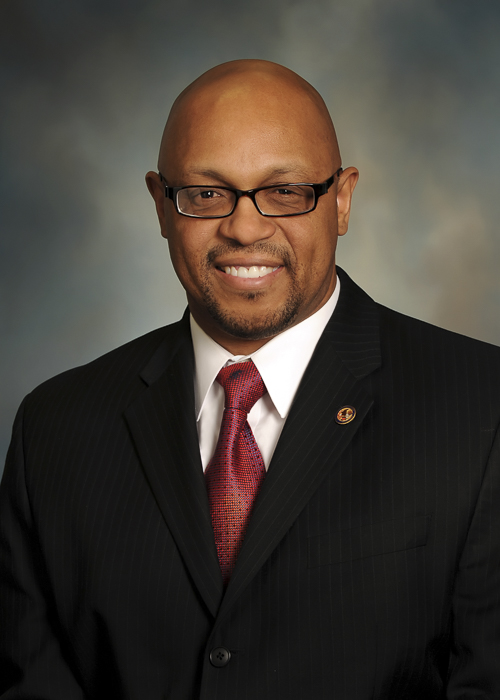
104th Regular Session Introduced by Thaddeus Jones

Establishes a state HUBZone Center of Excellence to boost HUBZone proposals, training, and local wealth via AI-assisted RFP support and targeted business development.

Rule 19(a) / Re-referred to Rules Committee
0
WeVote Research Nonpartisan
Bill Summary · HB 3334

Summary — HB 3334: HUBZone Center of Excellence Act

Status & Sponsor
- Introduced in February 2025 by Rep. Thaddeus Jones; currently listed as Rule 19(a) / re‑referred to Rules Committee. Takes effect upon becoming law.

Purpose / Intent
- Establish a state‑run HUBZone Center of Excellence to support economic development, proposal/RFP capacity, education, and community wealth building in federally designated HUBZone (Historically Underutilized Business Zone) communities in Illinois.

Key Provisions
- Creation and Host Agency
- Directs the Illinois Department of Commerce and Economic Opportunity (DCEO) to create and operate the HUBZone Center of Excellence.

  • Facility

    • DCEO must purchase or renovate a building located in a state HUBZone to house the Center. Facility requirements: at least 3,000 square feet, office space for at least 10 employees, public workshop space, and secure server/technology rooms for RFP development.
  • Staffing

    • Required staff positions include:
    • Director of Operations (strategy and compliance)
    • RFP specialists (proposal creation and compliance review)
    • Educators/trainers (workshops on proposal and business development)
    • IT specialists (technology infrastructure and data security)
  • Use of Technology

    • The Center shall use artificial intelligence systems to facilitate proposal preparation, increase transparency, and improve outcomes.
  • Duties / Program Activities

    • Promote economic development and job creation in HUBZones, including support for minority‑owned businesses.
    • Provide education, skills training, workshops, and certifications in proposal writing, business strategy, and career pathways.
    • Promote community wealth building through targeted business development and recirculation of public/private resources within underserved communities.
  • Operational Plan & Targets

    • First 4 years: establish operations, build capacity, provide training; target of 182 proposals submitted annually with a 20% win rate; recirculate resources locally.
    • After 4 years: transition toward partial self‑sustainability via a fee‑for‑service model, target services to small and mid‑sized businesses, offer external RFP training, and generate approximately $500,000 to offset operational costs.
    • DCEO must establish a formula linking the number of proposals generated to the awards sought and to the 20% win‑rate target.

Who is Affected
- DCEO (implementation, capital and operating responsibilities)
- Businesses located in federally designated HUBZones, including small, mid‑sized, and minority‑owned enterprises
- Residents of underserved/HUBZone communities (workforce training, career pathways)
- State budget (initial capital/operating costs for facility purchase/renovation, staffing; longer‑term partial cost recovery via fees)

Potential Impacts / Considerations
- Expected to build RFP/proposal capacity and increase award capture for HUBZone businesses, with explicit numeric targets.
- Requires up‑front state investment for facility and staffing; aims to reduce reliance on external funding after 4 years by generating ~$500,000 annually.
- Use of AI and secure IT systems raises data security and oversight considerations to ensure transparency and equity in services.

Compiled from official sources — confirm details with the bill’s official record.

Sign in to ask a question.