

WeVote

Bill

Bill

HB 419

Homestead exemption; increase for certain unremarried surviving spouses of veterans.

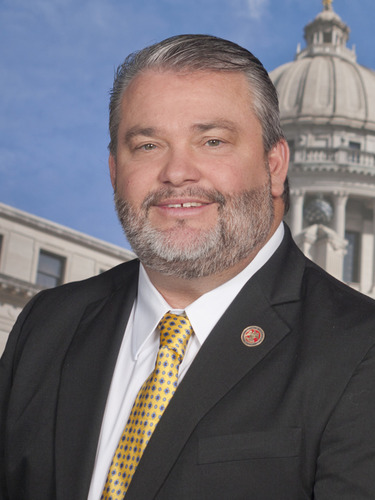
2026 Regular Session Introduced by Tracy Arnold and 9 co-sponsors

Mississippi bill increases homestead property tax exemptions for unmarried surviving spouses of veterans, reducing their tax liability but cutting state and local tax revenue.

Referred To Ways and Means
0
WeVote Research Nonpartisan
Bill Summary · HB 419

Legislative bill overview

HB 419 increases the homestead exemption for unremarried surviving spouses of veterans in Mississippi. The homestead exemption reduces the assessed property value used to calculate property taxes, effectively lowering tax obligations for eligible homeowners. This bill specifically targets a subset of veterans' survivors by providing them enhanced tax relief on their primary residences.

Why is this important

Property tax relief can meaningfully impact household finances, particularly for surviving spouses who may be on fixed incomes or have lost a primary earner. This targets a demographic—veterans' families—that policymakers often seek to support through tax incentives. The measure reflects broader policy priorities around veteran appreciation while directly affecting state tax revenue and individual taxpayers' obligations.

Potential points of contention

  • Fiscal impact: Increasing homestead exemptions reduces property tax revenue for schools, counties, and municipalities that depend on these funds; the state may need to compensate these entities or accept reduced services
  • Definition and eligibility: The bill's focus on "unremarried" spouses creates a distinction that some may view as unfairly excluding remarried survivors, raising questions about fairness and policy rationale
  • Scope limitations: Applying this only to certain veterans' survivors (rather than all surviving spouses or all homeowners) may be seen as inequitable by those outside this category or by advocates for broader homestead exemption reforms

Compiled from official sources — confirm details with the bill’s official record.

Sign in to ask a question.