

WeVote

Bill

Bill

HR 9493

Home Internet Accessibility Act

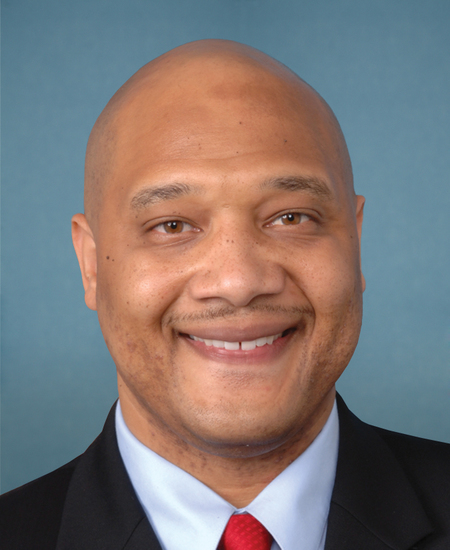
119th Congress Introduced by André Carson and 7 co-sponsors

The bill seeks to expand affordable, high-speed home internet access, especially for underserved areas, by boosting deployment, subsidies, and digital adoption.

Introduced in House
0
WeVote Research Nonpartisan
Bill Summary · HR 9493

Overview

HR 9493, the Home Internet Accessibility Act, is a proposed federal bill introduced in the 119th Congress. The bill would address access to high-speed home internet services, aiming to expand availability, affordability, and utilization of reliable broadband for households across the United States. It has been referred to the House Committee on Financial Services and includes multiple co-sponsors from both chambers of the House.

Purpose and intent

  • Improve access to affordable, reliable home internet for American households, with a focus on underserved and rural communities.
  • Promote competition and consumer choice in the home internet market.
  • Support programs or mechanisms that reduce barriers to broadband adoption and usage.

Key provisions and changes (as described by bill text and summary context)

  • Establish or expand federal efforts to increase the availability of high-speed home internet.
  • Incentivize providers to deploy broadband infrastructure in underserved areas, potentially through subsidies, grants, or other financial mechanisms.
  • Create or strengthen consumer protections, affordability programs, or subsidies to lower monthly internet costs for eligible households.
  • Encourage adoption and digital literacy initiatives to ensure households can effectively use internet services.
  • Coordinate with relevant federal agencies to streamline processes, avoid duplication, and measure progress toward universal or near-universal home internet access.

Note: Specific programmatic details (e.g., eligibility criteria, funding amounts, administration, reporting requirements) may be defined in the full bill text or subsequent amendments. The summary focuses on the bill’s overarching aims to broaden access, affordability, and adoption of home internet.

Who is affected

  • Households that currently lack reliable or affordable high-speed home internet.
  • Low- and middle-income families eligible for affordability subsidies or discounts.
  • Regions with limited broadband infrastructure, including rural and underserved urban areas.
  • Internet service providers (ISPs) operating in or considering expansion into underserved markets.
  • Federal agencies involved in telecommunications, commerce, and consumer protection.

Procedural and timeline aspects

  • Introduced in the House and referred to the Committee on Financial Services on June 25, 2026.
  • Co-sponsors include lawmakers from a diverse set of districts, indicating bipartisan attention to broadband access (names listed in sponsor section).
  • As a committee-referred bill, it would require committee consideration, potential amendments, and eventual floor action before any passage.

Potential impact

  • If enacted, the bill could accelerate deployment of broadband infrastructure in underserved areas and lower the cost of internet for eligible households.
  • May lead to increased digital adoption, improved access to online services (education, healthcare, commerce), and greater inclusion in a digital economy.
  • Could shape federal funding priorities and regulatory approaches related to telecommunications and consumer assistance programs.

Notes for readers

  • The summary reflects the bill’s stated goals of improving access, affordability, and adoption of home internet.
  • Specific program details, including funding levels, eligibility rules, and administration, would be found in the full text and any enacted provisions or amendments.

Compiled from official sources — confirm details with the bill’s official record.

Sign in to ask a question.