

WeVote

Bill

Bill

HR 9575

Hold Vandals Accountable Act of 2026

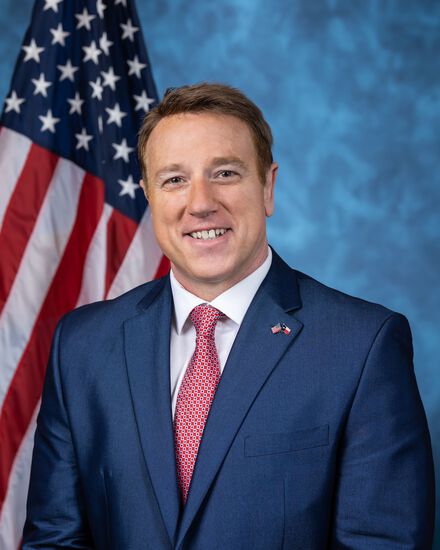
119th Congress Introduced by Pat Fallon

The bill lowers the federal threshold for prosecuting damage to U.S. government property from $1,000 to $500, expanding federal coverage of such offenses.

Introduced in House
0
WeVote Research Nonpartisan
Bill Summary · HR 9575

Overview

  • Bill: HR 9575
  • Session: 119 (2nd Session)
  • Title: Hold Vandals Accountable Act of 2026
  • Purpose claim: To amend title 18, United States Code, to decrease the threshold amount for certain government property damage offenses.
  • Introduced: July 2, 2026 by Rep. Pat Fallon (co-sponsor)

Main purpose and intent

The bill aims to modify the federal offense related to damaging government property or contracting properties by lowering the monetary threshold that triggers the offense. Specifically, it reduces the value threshold used in applying the statute, making it easier to prosecute acts of damage to U.S. government property as a federal crime.

Key provisions and changes

  • Section amended: Title 18, United States Code, Section 1361 (which covers intent to injure property of the United States or wilfully damaging government property).
  • Threshold change: The bill replaces the existing dollar amount “$1,000” with a lower amount of “$500” wherever that monetary threshold appears in the statute.
  • Effect of change: Activities or acts that cause damage or attempted damage to U.S. government property that meet or exceed the new $500 threshold would potentially fall under federal jurisdiction and be prosecutable under the statute.

Who or what would be affected

  • Individuals or entities that damage or attempt to damage property of the United States, including federal government buildings, installations, or other federally owned/controlled property, would be subject to federal criminal charges if the value of damage meets the threshold.
  • Prosecutorial and law enforcement focus on federal property crimes may expand, given the lower threshold may capture a broader range of conduct as federal offenses.
  • Potentially increases in cases that cross state lines or involve federal property, though the bill’s text focuses on the threshold change.

Procedural and timeline aspects

  • Status: Referred to the House Committee on the Judiciary on July 2, 2026; introduced the same day.
  • Since the bill’s text provided is limited to the threshold change, no other procedural steps (e.g., hearings, amendments, Senate actions) are listed in the provided information.
  • If enacted, the change would take effect upon the statute’s passage and signing into law, applying to offenses committed on or after that date (subject to any retroactivity or explicit effective-date provisions not shown in the excerpt).

Notes

  • The summary reflects only the content provided in the bill text excerpt. The bill’s broader implications, enforcement mechanisms, penalties (beyond the threshold change), and interaction with other provisions of 18 U.S.C. § 1361 are not detailed here.

Compiled from official sources — confirm details with the bill’s official record.

Sign in to ask a question.