

WeVote

Bill

Bill

HR 9960

Higher Education Access and Success for Homeless and Foster Youth Act of 2026

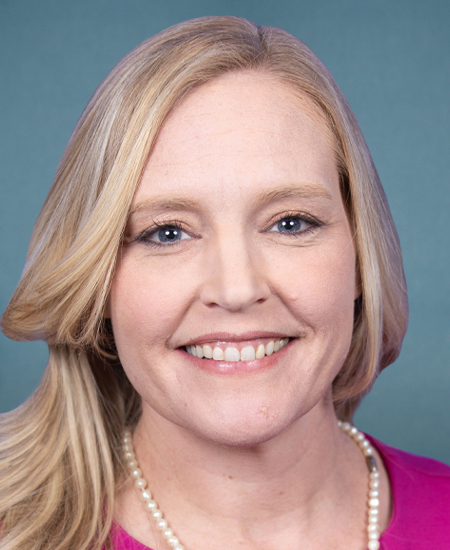
119th Congress Introduced by Erin Houchin and 1 co-sponsor

The bill expands access to postsecondary education for homeless, unaccompanied, and foster youth by designating campus liaisons, improving housing/aid access, and broadening progra

Introduced in House
0
WeVote Research Nonpartisan
Bill Summary · HR 9960

Overview

HR 9960, the Higher Education Access and Success for Homeless and Foster Youth Act of 2026, aims to amend the Higher Education Act of 1965 to improve access to and success in postsecondary education for homeless youth, unaccompanied youth, and foster care youth. The bill expands definitions, strengthens institutional supports, enhances access to housing and related services, broadens program eligibility and outreach, and requires reporting and guidance to ensure better outcomes for these students.

Main purpose and intent

  • Remove barriers to financial aid, housing, and postsecondary success for homeless and foster youth.
  • Formalize and expand the role of liaisons, and require institutions to actively assist these students in navigating financial aid, housing, and support services.
  • Integrate homeless and foster youth considerations into federal student aid programs, federal work-study, TRIO-type programs, and educational opportunity centers.

Key provisions and changes

  • Definitions and scope

    • Adds and clarifies terms: foster care youth, homeless youth, unaccompanied/unaccompanied youth.
    • Aligns definitions with McKinney-Vento Act for homeless students.
  • Student loan and financial aid support

    • Amendments to strengthen the administration of financial aid for homeless and foster youth, including enhanced independence determinations and support from a loan ombudsman.
  • Housing access and institutional support

    • Institutions must designate liaisons to assist homeless, unaccompanied, at-risk, self-supporting students, and foster youth.
    • Liaisons to provide information on eligibility for independent status, financial aid, housing, food assistance, health care, childcare, transportation, and mentoring.
    • Institutions must prioritize access to institutionally owned or operated housing for these students and develop housing access plans for term breaks and between terms.
    • Institutions must include voluntary questions in admissions to identify homeless or foster youth status and share information with liaisons with student consent.
  • Outreach and program requirements in federal and state programs

    • TRIO, Educational Opportunity Centers, and other programs must incorporate outreach to homeless and foster youth, with described activities and assurances that barriers are removed.
    • Programs must include data-sharing considerations and plans to reach and retain these students.
  • Data, reporting, and accountability

    • New reporting requirements at project conclusion for programs serving homeless and foster youth, including numbers served and effective strategies.
    • Added data transparency on pending homelessness determinations.
  • In-state tuition and residency

    • Expands in-state tuition protections to homeless youth and foster youth, ensuring they are charged no more than resident rates.
    • Specifies effective dates for eligibility (early under existing service provisions and new homeless/foster youth provisions).
  • Secretary’s guidance and training

    • The Secretary must issue revised guidance within 120 days.
    • Establishes annual professional development for liaisons and related staff.
    • Requires a Congress-report within a year and periodically thereafter on effective strategies and streamlined processes.
  • Effective date

    • Provisions apply as if included in the FAFSA Simplification Act, with aligned effective dates.

Who would be affected

  • Homeless youth, unaccompanied youth, and foster care youth pursuing postsecondary education.
  • Colleges, universities, and other higher education institutions participating in federal programs.
  • Federal programs such as TRIO, Educational Opportunity Centers, and campus-based aid.
  • Financial aid administrators, institutional liaisons, and related staff.
  • State and tribal child welfare agencies coordinating with education systems.

Procedural and timeline notes

  • Introduced July 27, 2026; referred to the House Education and Workforce Committee.
  • Provisions include phased guidance, training within 1 year, and annual or multi-year reporting cycles.
  • Aligns with and expands pathways under the FAFSA simplification framework and the 2009-2019 era in-state tuition rules.

Compiled from official sources — confirm details with the bill’s official record.

Sign in to ask a question.