

WeVote

Bill

Bill

SB 61

HIGHER ED-PREFERENCE ADMISSION

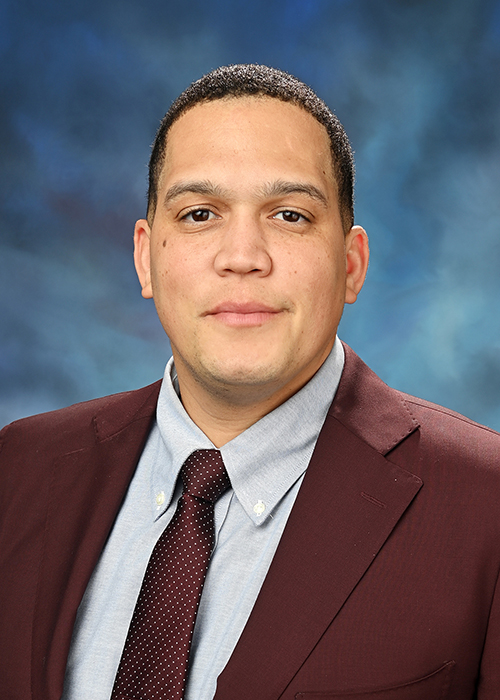
104th Regular Session Introduced by Robert Peters

SB 61 establishes admission preference policies for Illinois higher education institutions, affecting student access and diversity outcomes at state universities.

Referred to Assignments
0
WeVote Research Nonpartisan
Bill Summary · SB 61

Legislative bill overview

SB 61 establishes preference-based admission policies for Illinois higher education institutions, though the bill text itself is not publicly detailed in the filing information provided. Based on the title, it appears designed to create or modify admission preference mechanisms at state universities and colleges. The bill was introduced by Senator Robert Peters on January 13, 2025, and is currently in the early legislative stage.

Why is this important

Admission preference policies significantly affect college access and diversity outcomes across Illinois's higher education system. Such policies influence which students gain entry to public universities, affecting educational opportunity, workforce development, and socioeconomic mobility for thousands of students annually. The specifics of preference policies—whether based on socioeconomic status, geographic origin, legacy status, or other factors—generate substantial debate about fairness and institutional mission.

Potential points of contention

  • Definition of preferences: Unclear whether preferences are based on socioeconomic background, geographic diversity, first-generation status, or other criteria; different bases generate different political support and opposition
  • Constitutionality concerns: Illinois and federal courts have recently scrutinized race-based preferences; any preference system risks legal challenges depending on its design
  • Impact on merit-based selection: Questions about whether preferences conflict with institutional selectivity standards and whether they affect overall student quality or institutional rankings

Compiled from official sources — confirm details with the bill’s official record.

Sign in to ask a question.