SB 1960 — Higher Ed — Dual Credit (Summary)
Status & timeline
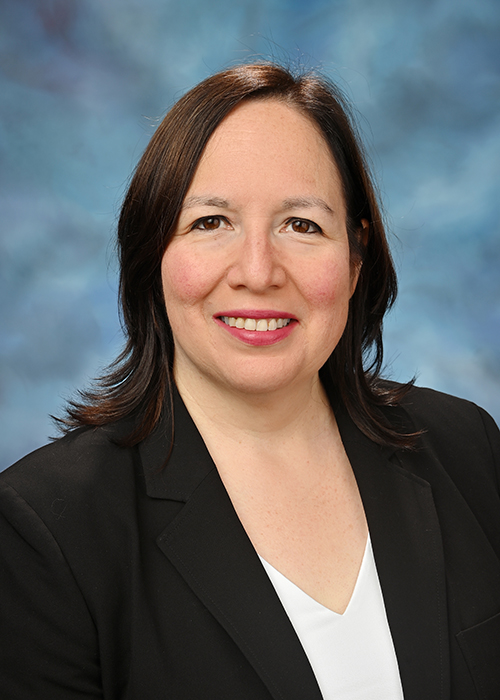
- Introduced by Sen. Cristina Castro (filed Feb 6, 2025; received by Secretary of the Senate Mar 5, 2025).
- Legislative actions recorded between Mar–May 2025 (committee hearings, testimony, and multiple readings). A companion bill is HB 3950.
- (Document indicates the bill was initially referred to Assignments; action history shows consideration in several committees and hearings through May 2025.)
Purpose
- To update the Dual Credit Quality Act to strengthen partnership requirements, standardize instructor qualifications for dual credit courses, create a state model instructor qualification framework, streamline dispute/appeal timelines, and authorize research on dual credit student outcomes.
Key provisions and changes
- Partnership requirement: Before offering dual credit, a school district must attempt to enter a partnership with the community college district in which it is located. If the district chooses an alternative postsecondary provider, it must enter a partnership agreement with that provider that complies with the Act.
- Required contents of partnership agreements: responsibilities and quality control; list of dual credit courses and delivery site (high school, college campus, or ICCB-established online platform); academic eligibility criteria for student enrollment; limitations tied to instructor availability or local policy; fee disclosures (fees must be reasonable and promote access); processes to ensure access for students with disabilities; and a collaborative process for hiring/recommending high school instructors (school district hires and compensates instructors).
- Instructor qualification framework: Establishes a Dual Credit Qualifications Committee to develop a Dual Credit Instructor Qualification Framework that (a) defines appropriate graduate coursework for “fully qualified” and “minimally qualified” instructors and (b) specifies equivalent experience for fully qualified career & technical education (CTE) instructors.
- Model framework deadline: The Illinois Community College Board (ICCB) and the State Board of Education must collaboratively develop a Model Dual Credit Instructor Qualification Framework by June 30, 2026.
- Academic credential rules for “fully qualified” instructors: either (i) a master’s degree within the discipline to be taught, or (ii) any master’s degree plus no more than 18 graduate hours appropriate to the academic field or the discipline to be taught.
- Notification and appeal timelines: A community college district with an established partnership must notify the school district within 30 calendar days of an initial course request if it disapproves a course, instructor, or course documentation, or withdraws prior approval. The school district then has 14 calendar days after that notice to appeal the decision to the ICCB.
- Research authority: ICCB is allowed to conduct a study examining dual credit students’ short-term and long-term outcomes.
Who is affected
- School districts and their high schools (policies, hiring, course offerings, and contracts)
- Community college districts (partnership responsibilities, approval timelines, evaluation of course equivalency)
- Alternative postsecondary providers seeking to offer dual credit
- High school teachers seeking to teach dual credit (credential standards)
- Students (eligibility, access, fees, and accommodations)
- State agencies: Illinois Community College Board and State Board of Education (development of model framework, appeals, and potential research)
Potential impacts
- Greater uniformity and clarity on instructor qualifications and partnership content could increase consistency and rigor of dual credit offerings statewide.
- The timelines for community college responses and ICCB appeals create a faster dispute resolution path for course/instructor approvals.
- The model framework and ICCB research may inform future policy adjustments based on student outcome data.