Summary of S.4335 — HERO Child Care for Military Families Act (Senate, 119th Congress)
Proposed purpose
- The HERO Child Care for Military Families Act aims to address challenges in providing reliable, accessible child care for military families. It seeks to broaden who can staff Department of Defense (DoD) child development programs, improve background checks and job arrangements, and strengthen data systems and reporting related to child care readiness and waitlists.
Key provisions and changes
1) Expansion of eligible child care providers
- Removes a prior service requirement for certain DoD child care staff qualifications, simplifying eligibility criteria.
- Establishes a new authority to use National Service Volunteers (including volunteers and national service participants) to staff DoD military child development centers, under an interagency partnership with appropriate national service laws and benefits.
- Defines these participants as individuals trained in education services and compliant with DoD child development center hiring standards.
2) Preclearance of child care employees
- Mandates, by no later than June 1, 2027, that the Under Secretary of Defense for Personnel and Readiness issue regulations to preclear prospective child care employees.
- Preclearance involves background checks (including FBI fingerprint and State Criminal History Repository checks) and health screenings, even if there is not an open job at the time.
- Regulations must set a validity period for preclearance (up to one year) and require annual reverification for those precleared, not necessarily tied to open positions.
- Allows DoD to conduct additional or more current checks and does not compel DoD to hire or provide appeal rights to precleared individuals.
3) Job-sharing arrangements for child care staff
- Authorizes voluntary job-sharing arrangements for DoD child care employees.
- Aims to expand the qualified workforce, accommodate caregivers or students, reduce vacancies and turnover, and improve continuity of services.
- Defines a job-sharing arrangement as two part-time employees sharing the duties of one full-time position, with each serving at least 20 hours per week.
4) Limited benefits for child care employees
- Allows limited access to certain benefits to support recruitment and retention, including:
- Commissary and exchange privileges on days when providing care, comparable to other DoD civilian employees.
- Access to Morale, Welfare, and Recreation (MWR) facilities, including fitness centers, if beneficial for workforce stability.
- Tuition assistance and referral bonuses comparable to other DoD recruitment/retention programs.
- Other limited benefits as deemed appropriate.
- Prohibits transfer of benefits to others and allows revocation of benefits at any time.
- Requires DoD to issue guidance within 180 days of enactment.
5) DoD Child Care Readiness Data System
- Creates a unified, DoD-wide child care readiness data system to monitor capacity and workforce readiness.
- Data elements include installation- and region-level capacity, staffing, vacancies, turnover, compensation, waitlists (by family type and nontraditional hours), demand by age group (especially under age 5), fee assistance utilization, and areas with persistent unmet needs.
- Mandates standardization across the military departments and updates at least every 90 days.
- Requires semiannual briefings to relevant defense committees with findings, gap actions, and legislative or funding recommendations.
6) Reporting on child care waitlists and relationships to readiness
- Requires a sector-wide report within 90 days on child care waitlists, including data centralization efforts, waitlist data descriptions, discrepancy resolution plans, and analysis of waitlist accurately representing unmet need versus duplicates.
7) Relationship between child care availability and readiness
- Requires a report within 180 days analyzing how child care availability impacts military readiness, training participation, retention, dual-military families, high-operational-tempo units, and spousal workforce participation.
Affected parties
- DoD and its military child development centers
- DoD civilian and contractor child care staff
- National service volunteers and participants
- Military families relying on child care services
- DoD processes and regulatory framework governing background checks, job-sharing, and employee benefits
Timeline and process notes
- Preclearance regulations due by June 1, 2027.
- Guidance on limited benefits within 180 days of enactment.
- Ongoing data collection updates at least every 90 days.
- Initial and subsequent congressional briefings and reports as specified.
Sponsor and status
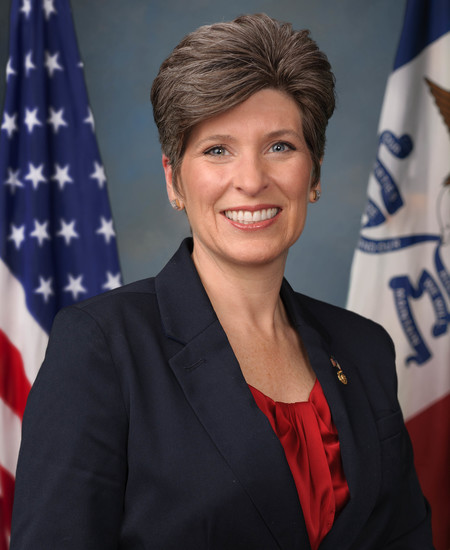
- Introduced in the Senate (April 16, 2026) by Sen. J. Shaheen (co-sponsor) and Sen. J. Ernst (co-sponsor).
- Referred to the Committee on Armed Services.





Start the Conversation
Be the first to share your thoughts on this petition. Your voice matters!