

WeVote

Bill

Bill

HR 8520

HELP Act of 2026

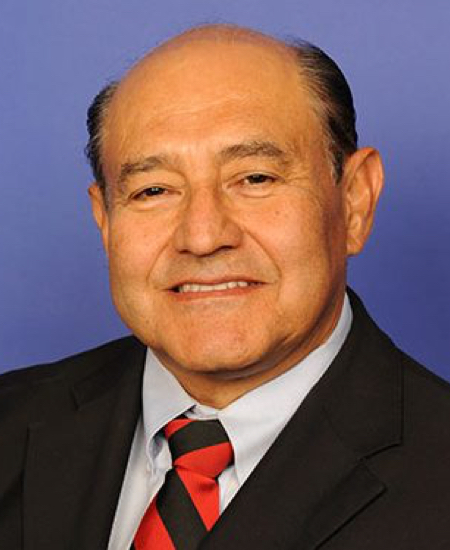
119th Congress Introduced by Lou Correa and 7 co-sponsors

Creates a nationwide, no-cost 211 information and referral system to coordinate with 911 and 988, backed by federal grants and standardized data sharing.

Introduced in House
3
WeVote Research Nonpartisan
Bill Summary · HR 8520

Summary of HR 8520 — HELP Act of 2026

Purpose and Intent

  • Establish a nationwide program to strengthen accessibility and coordination of 211 information and referral services for health and human services.
  • Aim to ensure that every resident in the United States can connect to 211 services at no charge, and to improve coordination with 911 and 988 systems.
  • Create a standardized, federally supported framework to expand capacity, awareness, and data sharing across states.

Key Provisions and Changes

  • Sec. 2 — Nationwide 211 Accessibility and Coordination

    • Create a program under the Secretary of Health and Human Services.
    • Objectives:
    • Increase 211 capacity so services are directly accessible in every state.
    • Improve coordination among 211, 988 (mental health crisis), and 911 service providers.
    • Raise public awareness and use of 211 services.
  • Sec. 2 — Administration and Allotments

    • Designate one administering agency to run the program.
    • Allocate funding to qualified 211 entities in each state via grants.
    • Develop a state-by-state funding formula considering population, density, poverty, and other data on health and human services needs.
  • Sec. 3 — Administering Agency

    • Eligibility: entities must be 501(c) organizations or government entities with:
    • Experience supporting 211 providers.
    • Relationships with local/community organizations in each state.
    • Disaster response and federal grants management experience.
    • Duties:
    • Advise on state allotments and grant amounts per state.
    • Award grants to 211 service entities in each state.
    • Submit biennial evaluations (every 5 years or more often) of the 211 network.
    • Coordinate among 211, 911, 988, and similar services.
    • Lead a national public awareness campaign about 211 and ensure consistent branding.
  • Sec. 3 — Shared Data Platforms

    • Allow funding to support shared data platforms to integrate or share 211 resource data.
  • Sec. 3 — Application Requirements

    • Eligible entities seeking administering status must:
    • Demonstrate how they will ensure nationwide, no-charge access to 211 via phone or internet.
    • Show how they will ensure state-wide availability of 211 information and referrals for health and human services.
    • Describe processes to select grantees, develop and evaluate services, coordinate with 911/988, and use 211 data for oversight metrics.
    • Ensure accessibility and compliance with ADA, Rehabilitation Act, and related regulations.
  • Sec. 4 — Grants to 211 Entities to Increase Capacity

    • Use of funds:
    • Operate 211 centers and services (voice, text, internet, messaging).
    • Public awareness and coordination with 911/988.
    • Manage information and referral databases and statewide/regional planning.
    • Accessibility improvements to comply with disability laws.
    • Startup costs to extend 211 to unserved areas (software/hardware, telecom, internet).
    • Administrative costs (staffing, training, accreditation).
    • Infrastructure (hosting, data platforms, cloud services).
    • Evaluation and reporting, and activities to improve coordination and data sharing.
    • Innovations in service delivery.
    • Selection and Allocation:
    • Typically award state allocations to the state’s eligible 211 network.
    • If no eligible state network exists, award grants directly to all eligible 211 providers in the state.
    • Consider rural access, geographic equity, and alignment with program goals.
    • Conditions for Award:
    • Providers must adhere to InformUSA standards and collaborate with health and social service organizations.
    • Require non-federal matching funds (cash or in-kind) at least 25% of the grant.
  • Sec. 5 — Definitions

    • Defines 211 service, eligible 211 service provider, qualified 211 service entity, eligible State 211 network, health and human services, and other terms (including tribal considerations and state scope).
  • Sec. 6 — Funding

    • Authorization of appropriations: $250 million per fiscal year from 2026 to 2032, with funds available until expended.
    • Administrative reservation: Up to 10% of annual funding may be reserved for administering agency administrative and coordinating activities.

Who Would Be Affected

  • States and their 211 networks or eligible providers, which would receive federal grants to expand and improve 211 services.
  • 211 information and referral providers (nonprofit or governmental organizations) that would operate expanded centers and units.
  • Public health and human services agencies collaborating with 211, including 911 and 988 service systems.
  • Individuals nationwide who would access no-charge 211 information and referrals for health and human services.
  • ADA-compliance and accessibility stakeholders due to mandated accessibility improvements.

Procedural and Timeline Highlights

  • Administration:
    • The Secretary of Health and Human Services would establish and administer the program, with an administering agency selected to implement the program.
  • Funding and Grants:
    • State allocations determined using a formula based on population, density, poverty, and needs data.
    • Grants awarded to eligible state networks or, if none exist, directly to providers.
    • Matching funds requirement (at least 25% non-federal).
  • Reporting and Evaluation:
    • The administering agency must contract an independent evaluator to assess barriers, effectiveness, collaboration, data quality, public awareness, and user satisfaction.
    • Annual/regular reporting to the Secretary with disaggregated state and provider data, including referred services and the effectiveness of referrals.
    • Evaluations occur starting in 2026 and at least every five years thereafter.
  • Data and Compliance:
    • Emphasis on data sharing, shared platforms, and accessibility compliance (ADA, Section 508, and related regulations).
  • Effective Date:
    • Not explicitly stated in the text provided; appropriations begin in 2026 and run through 2032 if enacted.

Bottom Line

HR 8520 seeks to nationalize and harmonize 211 information and referral services, expanding capacity, improving cross-system coordination (211/911/988), increasing public awareness, and investing in data platforms and accessibility. The act would create grant-based funding to state networks or providers, with a five-year (minimum) evaluation cycle and a substantial federal investment intended to ensure universal, no-cost access to 211 services for health and human services information and referrals.

Compiled from official sources — confirm details with the bill’s official record.

Sign in to ask a question.