

WeVote

Bill

Bill

HR 5756

HEATS Act

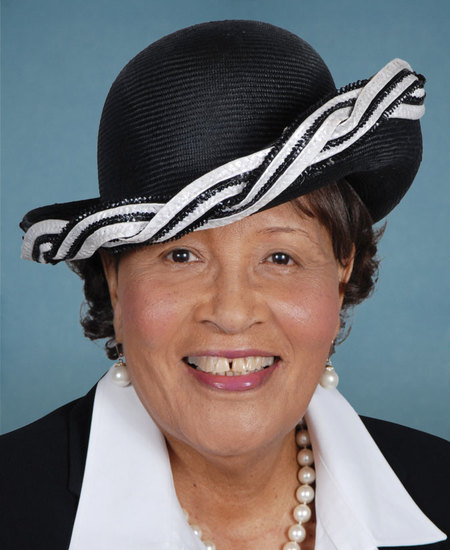
119th Congress Introduced by Alma Adams and 9 co-sponsors

The HEATS Act promotes energy efficiency and sustainability by offering incentives for renewable energy, improving standards, and funding innovation to reduce carbon emissions.

Introduced in House
0
WeVote Research Nonpartisan
Bill Summary · HR 5756

Summary of HR 5756 - HEATS Act

Introduction

The HEATS Act (HR 5756) was introduced in the House of Representatives on October 14, 2025. This bill aims to address specific issues related to energy efficiency and sustainability, although detailed provisions are not yet publicly available.

Main Purpose and Intent

The primary intent of the HEATS Act is to promote energy efficiency and reduce carbon emissions across various sectors. The bill seeks to implement measures that encourage the adoption of sustainable practices and technologies, thereby contributing to national goals for environmental protection and energy conservation.

Key Provisions

While the specific provisions of the HEATS Act have not been detailed in the current legislative text, typical elements in similar legislation may include:

  • Incentives for Renewable Energy: Tax credits or grants for individuals and businesses that invest in renewable energy sources such as solar, wind, or geothermal.
  • Energy Efficiency Standards: Establishing or updating standards for appliances, buildings, and vehicles to ensure they meet higher energy efficiency benchmarks.
  • Funding for Research and Development: Allocating funds to support innovation in energy-efficient technologies and practices.
  • Public Awareness Campaigns: Initiatives aimed at educating the public about energy conservation methods and the benefits of sustainable practices.

Who Would Be Affected

The HEATS Act would likely impact a wide range of stakeholders, including:

  • Homeowners and Renters: Individuals may benefit from incentives to upgrade their homes with energy-efficient appliances and systems.
  • Businesses: Companies could receive financial support for implementing energy-saving technologies, potentially reducing operational costs.
  • Local Governments: Municipalities may be encouraged to adopt energy-efficient practices in public buildings and infrastructure projects.
  • Environmental Organizations: Groups focused on sustainability may find new opportunities for collaboration and funding.

Procedural Aspects

  • Current Status: As of now, HR 5756 has been referred to the House Committee on Appropriations for further consideration.
  • Next Steps: The bill will undergo review and potential amendments within the committee before it can be brought to the floor for a vote. The timeline for these actions is not specified but typically follows standard legislative procedures.

Conclusion

The HEATS Act represents a legislative effort to enhance energy efficiency and promote sustainable practices across the United States. While specific details are still forthcoming, the bill's introduction signals a commitment to addressing environmental challenges through legislative action. Stakeholders and the public will be closely monitoring its progress as it moves through the legislative process.

Compiled from official sources — confirm details with the bill’s official record.

Sign in to ask a question.