

WeVote

Bill

Bill

HR 9208

HEAR Act of 2026

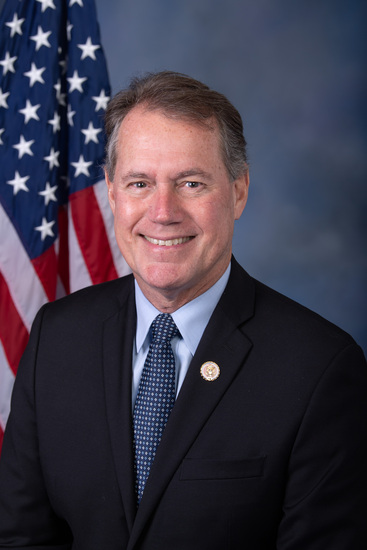
119th Congress Introduced by Ed Case and 6 co-sponsors

HR 9208 tightens federal control of firearm silencers/mufflers, bans most imports/production/possession, adds buy-back program, and expands penalties.

Introduced in House
0
WeVote Research Nonpartisan
Bill Summary · HR 9208

Overview

  • Bill: HR 9208 (HEAR Act of 2026)
  • Purpose: Regulate firearm silencers and mufflers, establish restrictions on their import, sale, manufacture, transfer, and possession, create a federal buy-back program, and expand penalties for violations.
  • Introduced: June 8, 2026
  • Primary sponsor(s): Representative Bonnie Watson Coleman (and several co-sponsors)
  • Status: Referred to the House Judiciary Committee

What the bill aims to do

  • Tighten regulation of firearm silencers and mufflers (collectively, suppressors) under federal law.
  • Add qualified law enforcement officers to the definition used for exemptions and enforcement considerations.
  • Create a federally supervised buy-back program to reduce the number of suppressors in civilian hands.

Key provisions and changes

1) Definitions

  • Amends Section 921(a) of Title 18 to:
    • Remove certain existing subparagraph references and streamline the definition related to silencers/mufflers.
    • Add a new definition: “qualified law enforcement officer,” defined with criteria similar to existing law enforcement classifications (employment by a government entity, crime prevention/investigation responsibilities, authority to carry a firearm, execute warrants, make arrests, and recognized/commissioned/certified as a law enforcement officer).

2) Restrictions on silencers and mufflers

  • Adds new regulatory subsection (v) to Section 922:
    • General rule: It is unlawful to import, sell, manufacture, transfer, or possess a firearm silencer or firearm muffler that affects interstate or foreign commerce.
    • Exceptions (permitted under paragraph (2)):
    • For U.S. government use or state/municipal use by agencies, or possession by qualified law enforcement officers (officer/off-duty contexts included).
    • For nuclear materials security purposes under licensee-related activities (Atomic Energy Act provisions).
    • For licensed manufacturers/importers for testing or experimentation with approval by the Attorney General.
    • Definition of “campus law enforcement officer” for exemption purposes includes:
    • Employment by a private higher education institution eligible for Title IV funding.
    • Responsibilities for crime prevention/investigation, including arrest and weapon-carry authority.
    • Recognition or certification by a government entity as a law enforcement officer.

3) Seizure and forfeiture

  • Amends Section 924 to add suppressors/mufflers (v) as a forfeitable item and to align with other listed items (n, k, etc.), ensuring seizure/forfeiture mechanisms apply to silencers/mufflers.

4) Penalties

  • Amends Section 924(a)(1)(B) to include suppressors/mufflers (v) among penalties for prohibited activities.

5) Byrne Grant funding for buy-back programs

  • Expands uses of Byrne Grant funds (Omnibus Crime Control and Safe Streets Act) to allow compensation for surrendered suppressors/mufflers under a buy-back program.
  • Requires the Attorney General to establish a nationwide buy-back program within 90 days of enactment to purchase silencers and mufflers from individuals seeking to comply with the Act.

6) Effective date and severability

  • Effective date: Amendments to Sections 2, 3, and 4 take effect 90 days after enactment.
  • Severability: If any provision is struck down, the rest remain in effect.

Who would be affected

  • Civilian individuals who possess firearm silencers/mufflers would be subject to new restrictions on import, sale, manufacture, transfer, and possession.
  • Private campus police or campus-law-enforcement officers would be considered for exemptions under campus law enforcement definitions.
  • Licensed manufacturers/importers would have limited, permitted activities for testing/experimentation and compliance.
  • Government agencies and state/local departments would retain authorized exemptions for government use.
  • Law-abiding owners may participate in a federally funded buy-back program to surrender silencers/mufflers.

Procedural and timeline notes

  • It becomes law 90 days after enactment for the main prohibitions and penalties (Sections 2, 3, 4).
  • The Attorney General must establish and implement a nationwide buy-back program within 90 days of enactment (Section 5).
  • The Act provides a severability clause to preserve remaining provisions if any portion is found unconstitutional.

Potential impacts to monitor

  • Effect on civilian ownership of suppressors and mufflers (ownership rates, transfer activity).
  • Administration burden on federal and state agencies to enforce new prohibitions and handle exemptions.
  • Funding and participation levels in the buy-back program, including payments to individuals surrendering suppressors/mufflers.
  • Any implications for law enforcement officers’ access to or procurement of suppressors under approved exemptions.

Compiled from official sources — confirm details with the bill’s official record.

Sign in to ask a question.