

WeVote

Bill

Bill

HB 5736

Health: licensing; references to licenses for certain substance use disorder services programs in the patient’s right to independent review act; modify to include those exempt from licensure. Amends sec. 3 of 2000 PA 251 (MCL 550.1903). TIE BAR WITH: HB 5729'26

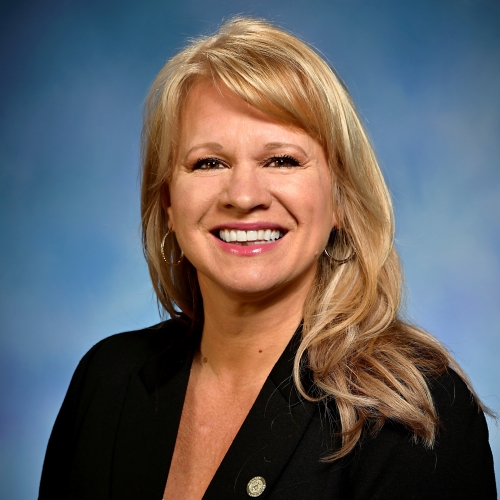
2025-2026 Regular Session Introduced by Alicia St. Germaine and 2 co-sponsors

HB 5736 adds exempt SUD programs to the definition of health facilities for independent external review, only if HB 5729 is enacted.

referred to second reading
0
WeVote Research Nonpartisan
Bill Summary · HB 5736

Overview

House Bill 5736 (2025-2026, Michigan) amends the Patient's Right to Independent Review Act (Part of the process for external review of health plan decisions) to include substance use disorder (SUD) services programs that are exempt from licensure under Part 62 of the Public Health Code within the definition of a health facility. The bill ties to HB 5729 and would take effect only if HB 5729 is enacted.

What the bill aims to do

  • Clarify that SUD services programs that are exempt from licensure under Part 62 can be considered health facilities for purposes of the Patient's Right to Independent Review Act.
  • Align terminology and definitions in the act with facilities and providers that operate without a Part 62 license but still offer SUD services.
  • Enable independent review mechanisms to apply to decisions affecting those exempt SUD services programs, consistent with other licensed facilities.

Note: HB 5736 itself is contingent on HB 5729 becoming law.

Key provisions and changes

  • Amends Sec. 3 of 2000 PA 251 (MCL 550.1903) to incorporate SUD services programs exempt from licensure into the definition of “health facility” for purposes of the Patient's Right to Independent Review Act.
  • The referenced “health facility” list already includes various licensed facilities; HB 5736 adds exempt-from-licensure SUD programs to that framework.
  • The enactment is tied to the passage of HB 5729; the measure does not take effect unless HB 5729 is enacted.

Entities and entities affected

  • Affected parties include:
    • Substance use disorder services programs that are licensed under Part 62 (and those exempt from licensure under Part 62).
    • Hospitals, psychiatric hospitals/units, crisis stabilization units, and other health facilities whose inclusion under the act interacts with external review processes.
    • Health carriers and utilization review organizations involved in independent external review processes.
  • Practically, exempt SUD programs would fall under the same independent review framework when disputes or adverse determinations arise, mirroring other health facilities.

Procedural and timeline aspects

  • Effective date: The act’s changes would take effect only if House Bill 5729 (which broadens licensure and regulates Part 62 facilities) is enacted into law.
  • Relationship to companion bills: HB 5728, HB 5730–5738 are companion measures designed to align various statutes with the licensure adjustments in Part 62 and related reforms. HB 5736 specifically ties to HB 5729.

Potential impact

  • Access and oversight: Expands the scope of facilities eligible for independent external review to include exempt SUD programs, potentially improving accountability and patient protections in those settings.
  • Regulatory alignment: Creates consistency between licensure status (licensed vs. exempt) and patient rights to independent review, reducing ambiguity for patients and providers.
  • Fiscal and administrative effects: Any shift in licensing requirements could affect the Department of Licensing and Regulatory Affairs (LARA) revenue from license fees; the fiscal impact depends on how many exempt programs operate and elect to participate in the external review framework.

Summary

HB 5736 seeks to harmonize the Patient's Right to Independent Review Act with Michigan’s Part 62 framework by recognizing substance use disorder services programs that are exempt from licensure as health facilities for purposes of independent external review. It advances only if HB 5729 is enacted, and represents a conformity measure across licensing, facility categorization, and patient rights processes.

Compiled from official sources — confirm details with the bill’s official record.

Sign in to ask a question.