

WeVote

Bill

Bill

SF 2893

Health case mix reimbursement modification for federal conformity

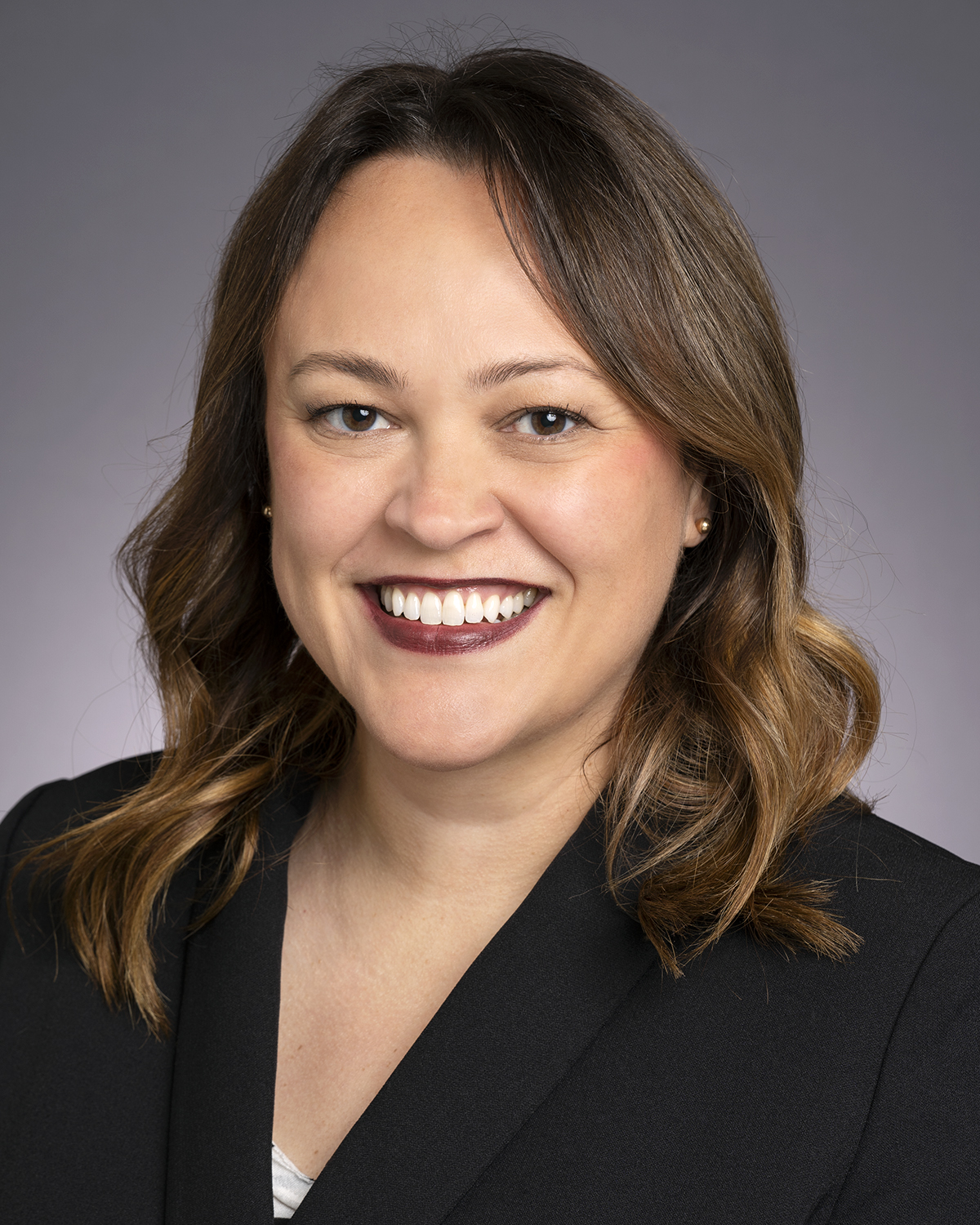
2025-2026 Regular Session Introduced by Alice Mann and 1 co-sponsor

SF 2893 revises Minnesota's case-mix reimbursement to align with federal rules, affecting Medicaid payments to providers and services, and outcomes for beneficiaries.

Referred to Human Services
0
WeVote Research Nonpartisan
Bill Summary · SF 2893

Summary of Bill SF 2893 — Health case mix reimbursement modification for federal conformity

Overview

  • Bill number: SF 2893
  • Title: Health case mix reimbursement modification for federal conformity
  • Status: Referred to Human Services
  • Introduced: March 24, 2025
  • Companion: HF 2756 (House)
  • Subject: Government-Federal, Government-State, Health and Health Department

Purpose and intent (based on title)

  • The bill appears aimed at modifying Minnesota’s case-mix reimbursement methodology to achieve conformity with federal requirements or standards. In general terms, “case mix” refers to classifying patients by acuity/resource use to determine payment levels; “federal conformity” indicates alignment with federal program rules (likely related to Medicaid or other federal health programs) to ensure eligibility, compliance, or funding.

Note: The exact provisions are not provided in the available information. The following sections describe the kinds of changes such bills typically involve and who would be affected, assuming the bill’s text follows the conventional use of these terms.

Key provisions (subject to the actual bill text)

  • While the specific text is not provided, potential areas the bill could address include:
    • Revisions to the case-mix classification system used for reimbursement (e.g., how patients are grouped and how payments are calculated).
    • Updates to rate setting formulas to align with federal guidance or data reporting requirements.
    • Implementation timelines for any transition to a new or updated reimbursement methodology.
    • Administrative or reporting changes required to demonstrate federal conformity.
    • Fiscal impact provisions, including estimated cost/revenue implications for the state and providers.
  • Exact language, affected programs, and implementation details will be clarified in the bill’s full text and any forthcoming committee amendments.

Who would be affected

  • State agencies and entities responsible for health care reimbursement and Medicaid administration (likely Minnesota Department of Human Services and related health departments).
  • Health care providers and facilities that participate in Medicaid or other state/federal reimbursement programs implementing case-mix adjustments (hospitals, long-term care facilities, etc.).
  • Medicaid beneficiaries and recipients, insofar as reimbursement changes influence access, provider availability, or service coverage.
  • Stakeholders such as managed care organizations, and data or quality reporting entities required to align with federal standards.

Procedural and timeline aspects

  • Introduction and first reading: March 24, 2025.
  • Referral: Referred to the Human Services committee.
  • House companion: HF 2756 (indicating parallel consideration in the House).
  • Next steps: Committee hearings, potential amendments, passage by the Senate and House, and final adoption. If approved, the bill would proceed to the governor for signature.

Note and next steps

  • A complete, precise summary requires the full bill text to enumerate the exact changes, effective dates, funding implications, and affected programs. If you’d like, I can pull the full legislative text and provide a detailed, line-by-line summary of the provisions, fiscal notes, and any anticipated regulatory changes.

Compiled from official sources — confirm details with the bill’s official record.

Sign in to ask a question.