

WeVote

Bill

Bill

S 2825

Health Access Innovation Act of 2025

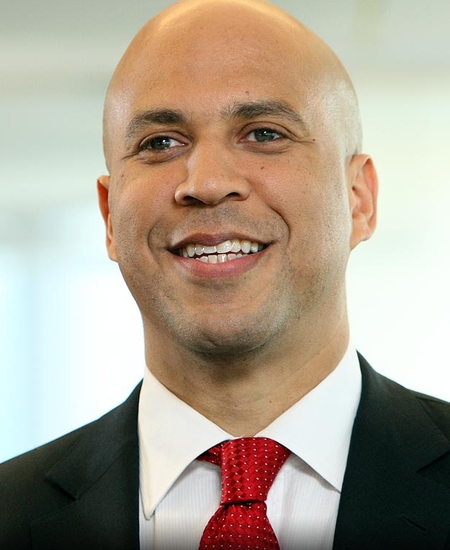
119th Congress Introduced by Cory Booker and 2 co-sponsors

The Health Access Innovation Act of 2025 empowers HHS to grant $50M+ to community organizations, enhancing healthcare access and addressing health disparities in underserved areas.

Introduced in Senate
0
WeVote Research Nonpartisan
Bill Summary · S 2825

Summary of Bill S. 2825: Health Access Innovation Act of 2025

Overview

The Health Access Innovation Act of 2025 (S. 2825) is a legislative proposal introduced in the Senate on September 16, 2025. The bill aims to amend the Public Health Service Act to empower the Secretary of Health and Human Services (HHS) to award grants to faith- or community-based organizations. The primary goal is to address persistent health inequities and chronic disease challenges in underserved communities.

Purpose and Intent

The main intent of the bill is to:
- Expand Access to Healthcare: Increase the availability of culturally and linguistically appropriate healthcare services.
- Innovate Health Solutions: Encourage innovative approaches to tackle chronic health disparities.
- Support Community Engagement: Leverage the role of community organizations in promoting health equity.

Key Provisions

The bill introduces a Health Equity Innovation Grant Program under the Public Health Service Act, which includes the following key provisions:

  1. Grant Awards:

    • The Secretary of HHS is authorized to award grants to eligible entities to cover costs related to medical services, health screenings, and preventive services.
  2. Expansion of Care:

    • Grants can be used to:
      • Expand access to healthcare and public health services.
      • Increase the diversity of health workers.
      • Provide culturally and linguistically appropriate services.
      • Address social determinants of health that hinder access to care.
  3. Support for Community Health Workers:

    • Funding can support roles such as community health navigators, peer support specialists, and other professionals who work with faith- or community-based organizations.
  4. Eligibility Criteria:

    • Eligible entities must be faith- or community-based organizations that have a proven track record in addressing chronic health disparities in medically underserved areas.
  5. Funding Priorities:

    • Priority will be given to organizations that have operated health access programs during public health emergencies.
  6. Authorization of Appropriations:

    • The bill authorizes funding for the program as follows:
      • $50 million for FY 2026
      • $55 million for FY 2027
      • $60 million for FY 2028
      • $65 million for FY 2029
      • $70 million for FY 2030
    • A maximum of 5% of the funds may be allocated for administrative costs.

Impact

The Health Access Innovation Act of 2025 is expected to significantly impact:
- Underserved Communities: By providing resources to organizations that directly serve populations facing health disparities.
- Healthcare Workforce: By promoting diversity and expanding the roles of community health workers.
- Public Health Outcomes: By addressing social determinants of health and improving access to preventive care and services.

Legislative Status

  • The bill was introduced by Senator Kirsten E. Gillibrand, with Senators Cory Booker and Alex Padilla as cosponsors.
  • It has been read twice and referred to the Committee on Health, Education, Labor, and Pensions for further consideration.

Related Legislation

  • The bill has a companion in the House of Representatives, HR 5417.

This summary provides a comprehensive overview of the Health Access Innovation Act of 2025, outlining its objectives, provisions, and potential effects on public health and community engagement.

Compiled from official sources — confirm details with the bill’s official record.

Sign in to ask a question.