Guardianship Bill of Rights Act of 2026 (S.4247, 119th Congress)
Overview
- Purpose: Establish a formal bill of rights and a national framework to protect the rights of people being considered for or currently in protective arrangements, including guardianships and conservatorships, and to promote decision-support options that are less restrictive.
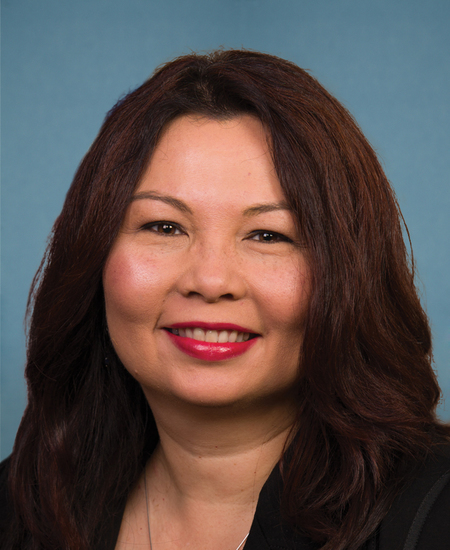
- Introduced in the Senate on March 26, 2026 by Senator Duckworth (along with Senators Sanders and Fetterman) and referred to the HELP Committee.
Key Provisions
1) Findings and Purpose
- Recognizes about 1.3 million people in the U.S. are in some form of guardianship or protective arrangement.
- Notes that most guardianships are plenary (full authority over person and/or property) and can severely limit rights; restoration of rights is rare.
- Emphasizes risks from overbroad, restrictive, or unnecessary protective arrangements, particularly for older adults and people with disabilities.
- Establishes a set of fundamental rights for individuals being considered for or in protective arrangements, including rights to seek less restrictive supports, independent legal representation, input into life decisions, and timely review mechanisms.
2) Definitions
- Defines: alternative arrangement (less restrictive than guardianship), supported decisionmaking arrangement, protective arrangement, guardianship/conservatorship, and covered individual (older adults or persons with disabilities).
- Clarifies terms for related concepts (assistive technology, development disability, DOMA-related definitions, etc.).
- Distinguishes between plenary guardianship (full authority) and limited guardianship.
3) Guardianship Bill of Rights and Council
- Establishes a Guardianship and Other Protective Arrangements and Supported Decisionmaking Council within the Department of Health and Human Services (DHHS) to develop and advise on standards.
- Council duties include proposing standards for guardianships, conservatorships, supported decisionmaking, and other alternatives; and developing a Guardianship Bill of Rights addressing:
- Scope and limits of fundamental rights
- Which rights cannot be restricted, which can be restricted with protections, and which require due process
- Due process protections during consideration and in protective arrangements
- Rights related to voting, relationships, reproductive decisions, financial decisions, education, health, religion, residency, visitation, travel, communication, and daily decisions
- Maintenance of fundamental rights during decisionmaking
- Council composition (30 members) includes:
- People currently using supported decisionmaking and those in protective arrangements
- Family members of individuals at risk
- Lawyers, guardians, judges, educators, behavioral health professionals, independent living experts, disability and aging advocates, and others
- Aimed for diverse representation
- Appointment terms: 3-year terms, renewable once
- Reports: Initial recommendations due within 2 years of Council establishment; subsequent reports every 2 years for 10 years; publicly posted and transmitted to relevant Senate and House committees
4) Standards for Guardianships, Conservatorships, and Alternatives
- Secretary (via the Administration for Community Living) must develop standards for:
- Establishing, reviewing (intervals not more than 1 year), modifying, and discontinuing protective arrangements
- Guaranteed independent, qualified, and compensated legal representation for the covered individual
- Access to due process protections
- Options for full restoration of rights when appropriate
- Ordering of limited protective arrangements when less restrictive options are unsuitable
- Data collection on use of guardianships, supported decisionmaking, and other arrangements, with disaggregated reporting by gender identity, race, ethnicity, etc.
- Standards for establishing supported decisionmaking and other alternatives, including:
- System-wide promotion of supported decisionmaking in health care, education, disability/aging services, financial institutions, and courts
- Standards for decisionmaking areas (health, finances, education, etc.)
- How decisionmaking teams are chosen
- Required supports (e.g., assistive technology) to maximize participation
- Mechanisms to interrupt and retrain guardrails that lead to guardianships
5) Transition Standards
- Standards to transition individuals from guardianship/conservatorship to supported decisionmaking or other alternatives when appropriate
- Regular reviews (at least annually) and provisions to review upon request
6) Minimum Standards for Establishment and Review
- Establishment criteria for guardianships and protective arrangements
- Guardianship review panels with qualified members (including lawyers and advocates) and background checks
- Standards for reviewing protective arrangements
7) Availability and Accessibility
- Ensure standards and related information are accessible to covered individuals, families, judges, educators, and minority language communities
8) Relation to Other Law
- States seeking certain federal funding must certify they implement these standards in their State plans (for Rehabilitation Act programs and Developmental Disabilities acts)
Protection and Oversight Program (Subtitle F of DD Act)
- Creates a new Protection and Advocacy Program for Oversight of Protective Arrangements, under Title I of the Developmental Disabilities Act.
- Establishes definitions and oversight authority for states and American Indian tribes.
- Grants allow protection and advocacy systems to:
- Monitor and enforce protections for individuals in or facing protective arrangements
- Provide information, training, referrals, and legal representation to support or defend supported decisionmaking
- Investigate abuse or misuse of guardianships
- Federal funding: Authorized $50 million for fiscal year 2027 and each subsequent year.
Impact and Implications
- Individuals: Strengthens protections for older adults and people with disabilities; promotes decisionmaking rights, independent counsel, and timely reviews; prioritizes least restrictive options and restoration of rights where possible.
- Courts and guardianship systems: Requires new standards, regular reviews, and access to independent legal representation; increases due process protections.
- Public agencies and service providers: Guides adoption of supported decisionmaking as a default option and provides standards for cross-system implementation (health care, education, aging and disability services, finance, courts).
- Oversight and advocacy: Creates a federal oversight framework and funding for protection and advocacy systems to monitor and challenge guardianships and protective arrangements.
- Timeline: Council established within 180 days of enactment; initial standards and reports due per schedule; program funding begins in FY 2027.
Notes
- The bill emphasizes rights-based protection, data-driven oversight, and gradual shift toward less restrictive decisionmaking supports.
- It does not repeal existing guardianship law but aims to reform processes, enhance protections, and promote alternatives.