

WeVote

Bill

Bill

HR 1836

GRANTED Act of 2025

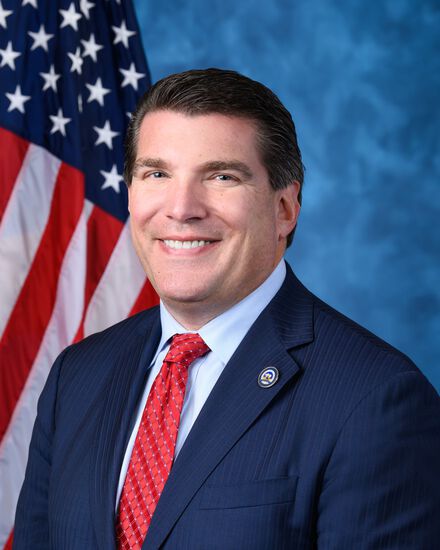
119th Congress Introduced by Jay Obernolte

HR 1836 would grant remaining, delayed, or inefficiently treated applications, aiming to speed decisions across transportation, infrastructure, energy, and commerce programs.

Introduced in House
0
WeVote Research Nonpartisan
Bill Summary · HR 1836

HR 1836 — GRANTED Act of 2025 (Introduction)

Overview

  • Bill number: HR 1836
  • Official title: Granting Remaining Applications Not Treated Efficiently or Delayed Act of 2025, also known as the GRANTED Act of 2025
  • Status: Introduced in the U.S. House of Representatives
  • Introduced: March 4, 2025
  • Primary sponsor: Rep. Jay Obernolte
  • Committees: Transportation and Infrastructure; Energy and Commerce (referred for consideration of provisions within their jurisdictions)

Purpose and Intent

  • The bill’s title indicates a goal of addressing delays or inefficiencies in processing applications by “granting remaining applications not treated efficiently or delayed.”
  • Based on the committee referrals, the measure appears connected to programs or processes within transportation, infrastructure, energy, and commerce spheres. Specifics on which applications or programs are targeted are not provided in the introduced text.

Key Provisions

  • Available text in the provided information only includes the short title and citation language.
  • There are no detailed provisions, definitions, funding mechanisms, eligibility criteria, timelines, or enforcement measures described in the introduction excerpt.
  • As a result, the substantive scope, affected agencies, and operational impact remain unclear from the information provided.

Scope and Potential Impact (based on limited information)

  • Potentially affects processes for applications pending with federal agencies under the jurisdiction of the Transportation and Infrastructure Committee and the Energy and Commerce Committee.
  • If enacted, the bill could aim to accelerate or otherwise alter the handling of “remaining” or delayed applications, potentially improving timely decision-making for applicants.
  • Without full text, it is not possible to identify which programs (permits, licenses, grants, or other authorizations) would be covered, whether there are sunset provisions, funding implications, or performance benchmarks.

Legislative History to Date

  • Introduced in the House on March 4, 2025.
  • Referred to:
    • Committee on Transportation and Infrastructure
    • Committee on Energy and Commerce
    • Referral notes indicate consideration of provisions within each committee’s jurisdiction; timing to be determined by the Speaker

Sponsorship

  • Primary sponsor: Rep. Jay Obernolte

Next Steps and Timeline

  • The bill would proceed through committee review, potential hearings, and a mark-up if the committees choose to advance it.
  • Any movement toward floor consideration would depend on committee actions, leadership decisions, and scheduling.

Note: The summary reflects only the information provided. The introduced text does not include substantive provisions; the above outlines what is currently known and what remains to be determined once the full bill text is released.

Compiled from official sources — confirm details with the bill’s official record.

Sign in to ask a question.