

WeVote

Bill

Bill

HR 8245

GRACIE Act of 2026

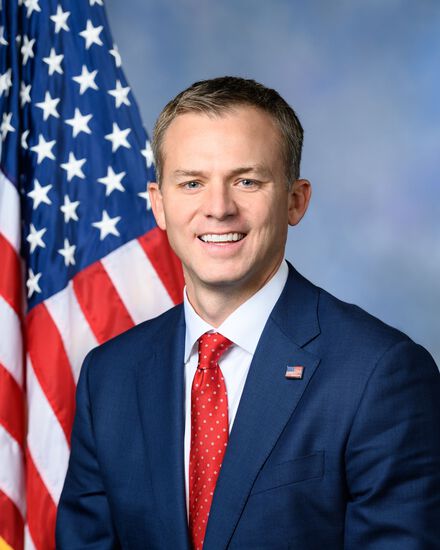
119th Congress Introduced by Blake Moore and 6 co-sponsors

The bill would require and fund states to record and retain all child welfare interviews for five years, with access controls and audits.

Introduced in House
1
WeVote Research Nonpartisan
Bill Summary · HR 8245

Summary: GRACIE Act of 2026 (H.R. 8245)

Proposed by Rep. Wagner and cosponsors, the Generate Recordings of All Child protection Interviews Everywhere Act (GRACIE Act of 2026) aims to require and fund the recording and retention of all child welfare interviews conducted by state agencies.

1) Purpose and Intent

  • Main goal: To support state efforts to record and retain all child welfare interviews conducted by state child welfare agencies.
  • Rationale: Establishes a nationwide mechanism to document interviews for child protective services, with accompanying funding, accountability, and retention requirements.

2) Key Provisions and Changes

Grants to States (Section 2)

  • The Associate Commissioner (of the Children's Bureau, within HHS) may award grants to States to assist in recording and retaining all child welfare interviews.
  • Applications: States must submit information including the lead agency, current recording/retention requirements, challenges, and how grant funds will be used.
  • Use of Funds: Grants are to cover costs for recording and retaining all child welfare interviews for 5 years, including those conducted during family assessments, to the extent practicable.

Recording and Retention Requirements (Section 2)

  • Recording Requirement: States receiving a grant must have a legal or formal policy requiring all child welfare interviews to be recorded (via electronic audio recording, body-worn cameras, or other reasonable means).
  • Retention Requirement: Recordings must be retained for at least 5 years, stored in accordance with state protocols. Provisions include:
    • Release of copies: Recordings may be released to appropriate government agencies investigating offenses or allegations; caregivers/guardians may request access, subject to court orders or limits.
    • Penalties: Violations of the access/production limitations may incur penalties.
    • Security: Retention systems must use access controls and role-based permissions to protect recordings.

Accountability and Oversight (Section 2)

  • Recordkeeping: States must maintain records required to audit grant receipt and use.
  • Access for audits: The Associate Commissioner may access relevant state records for compliance and auditing purposes.

Definitions (Section 2)

  • Associate Commissioner: Refers specifically to the Associate Commissioner of the Children's Bureau (ACF/HHS).
  • Child Welfare Interview: Any documented interview with relevant parties (child or adult) conducted by the state agency to elicit information about abuse, neglect, or related crimes against a child.
  • State: Includes the 50 states, the District of Columbia, Puerto Rico, and U.S. territories/possessions.

Funding and Sunset (Section 2)

  • Funding cap: For fiscal years 2026–2031, each year the program may use up to $30 million of appropriated funds under the specified Social Security Act subpart to support this section.
  • Sunset: The text sets an explicit time frame (through 2031) for the grant program's funding, after which future appropriations would be determined.

3) Who/What is Affected

  • State child welfare agencies that conduct interviews and maintain related records.
  • The Office of the Associate Commissioner (Children’s Bureau) and the Department of Health and Human Services for administration, funding, and oversight.
  • Caregivers and guardians: Potential access to recordings under defined circumstances.
  • Investigative and prosecutorial agencies: May receive copies of recordings in accordance with the retention and release provisions.
  • Children, families, and caseworkers: All interviews would be subject to recording and storage protocols, affecting privacy, security, and workflow.

4) Procedural and Timeline Details

  • Introduction and referral: Introduced April 9, 2026; referred to the House Ways and Means Committee.
  • Funding window: Authorized 2026–2031 with a $30 million annual cap for the grant program, drawn from existing Social Security Act funds (Title IV, Part B, Subpart 1).
  • Implementation timeline: States would apply with required information; grants would be used for up to five years to implement recording/retention systems and practices.

5) Potential Impacts and Considerations

  • Pros:

    • Increases transparency and documentation of child welfare interviews.
    • Enables audits and accountability for grant-funded activities.
    • May improve consistency and quality of interviewing practices through standardized recording and retention.
  • Cons/Concerns:

    • Privacy and security risks for sensitive recordings; requires robust access controls.
    • Resource needs for state systems to implement and maintain recording/retention across all interviews.
    • Possible implications for foster youth, family members, and staff in terms of consent and data handling.

This summary captures the bill’s core aims, mechanisms, and potential effects based on the text provided. If you’d like, I can compare GRACIE to existing state/federal recording policies or outline potential implementation challenges by stakeholder.

Compiled from official sources — confirm details with the bill’s official record.

Sign in to ask a question.