

WeVote

Bill

Bill

SB 254

"Georgia Hemp Farming Act,"; delta-9-THC in consumable hemp products; provide milligram limits

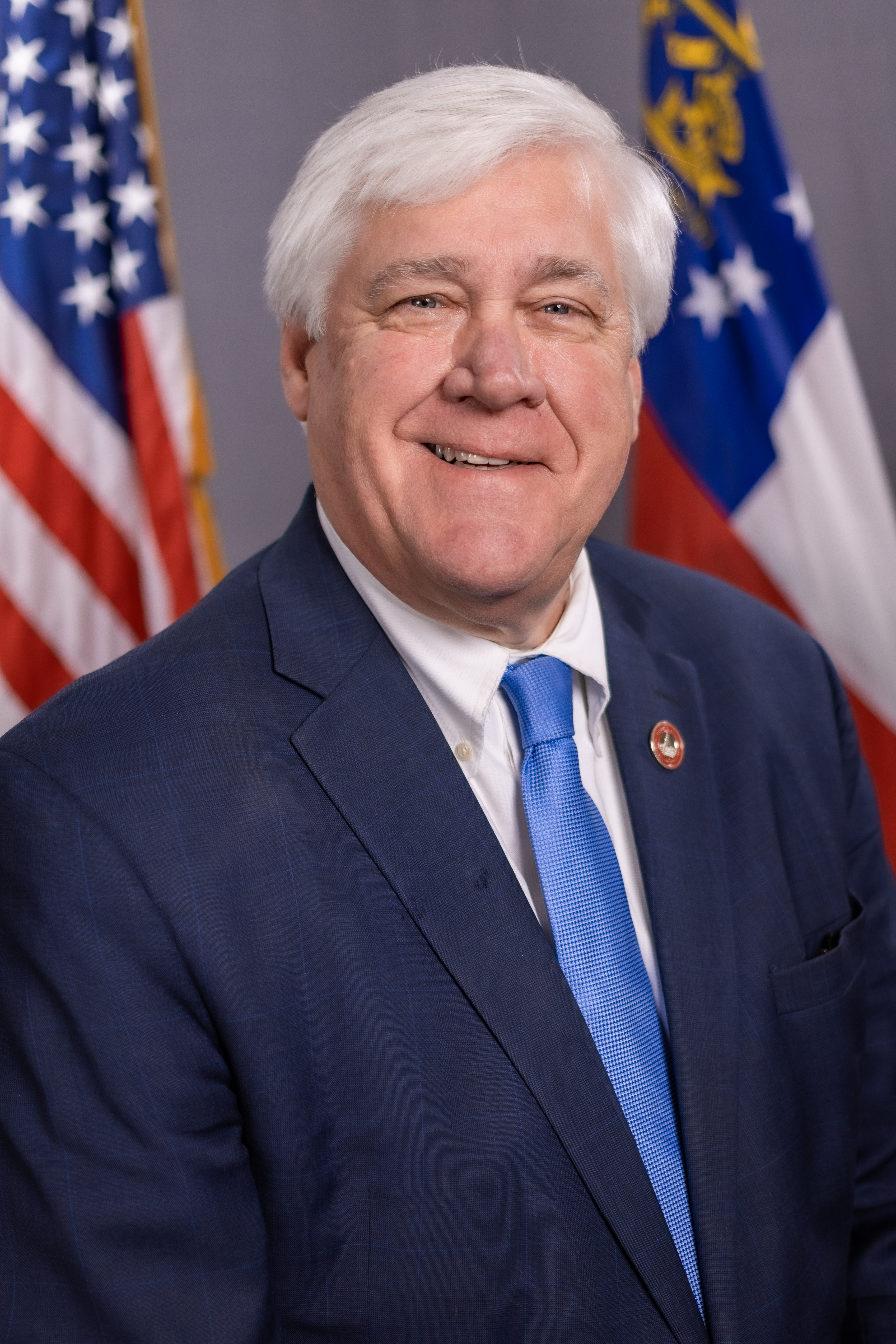
2025-2026 Regular Session Introduced by Bill Cowsert

SB 254 sought to ban public funds for hiring lobbyists, ensuring taxpayer money is used for public benefit, enhancing government transparency and accountability.

House Withdrawn, Recommitted
0
WeVote Research Nonpartisan
Bill Summary · SB 254

Summary of SB 254: Prohibit Direct or Indirect Expenditure of Public Money to Hire Lobbyists

Bill Overview

Bill Number: SB 254
Introduced: October 20, 2025
Status: Died in Process
Subject Areas: Courts, Legislature, Local Finance, Local Government, State Finance, State Government

SB 254 aimed to prohibit the direct or indirect expenditure of public funds for hiring lobbyists. The bill sought to ensure that taxpayer money is not used to influence legislative or governmental decisions through lobbying activities.

Purpose and Intent

The primary intent of SB 254 was to enhance transparency and accountability in government spending by preventing public funds from being allocated to lobbyists. This measure was designed to reduce potential conflicts of interest and ensure that public resources are used solely for the benefit of the public rather than for lobbying efforts that may not align with the public interest.

Key Provisions

  • Prohibition on Expenditures: The bill explicitly prohibited any direct or indirect use of public money to hire lobbyists. This includes funds from state and local government entities.
  • Definition of Lobbying: The bill would have defined what constitutes lobbying activities, ensuring clarity on what actions are covered under this prohibition.
  • Enforcement Mechanisms: The bill proposed mechanisms for enforcement, including penalties for violations, although specific details on enforcement were not outlined in the available documents.

Impact

  • Government Entities: All state and local government agencies would have been affected by this legislation, as they would be required to review and potentially alter their budgeting practices regarding lobbying expenditures.
  • Lobbying Firms: The bill would have impacted lobbying firms and organizations that rely on public contracts for their services, potentially reducing their revenue sources.
  • Public Trust: By prohibiting the use of public funds for lobbying, the bill aimed to enhance public trust in government operations and decision-making processes.

Procedural Aspects

  • Legislative Journey: SB 254 was introduced in the Senate and went through various committees but ultimately did not progress to a vote. It was marked as "Died in Process" on May 23, 2025, indicating that it did not advance beyond committee discussions.
  • No Fiscal Impact Report: As the bill did not progress, there was no fiscal impact report available to assess the financial implications of its implementation.

Conclusion

While SB 254 aimed to promote ethical governance by prohibiting the use of public funds for lobbying, it ultimately did not pass through the legislative process. The discussion surrounding this bill reflects ongoing concerns about transparency and the appropriate use of taxpayer dollars in governmental affairs.

Compiled from official sources — confirm details with the bill’s official record.

Sign in to ask a question.