

WeVote

Bill

Bill

SB 2994

GENETIC PRIVACY-NEUROTECH

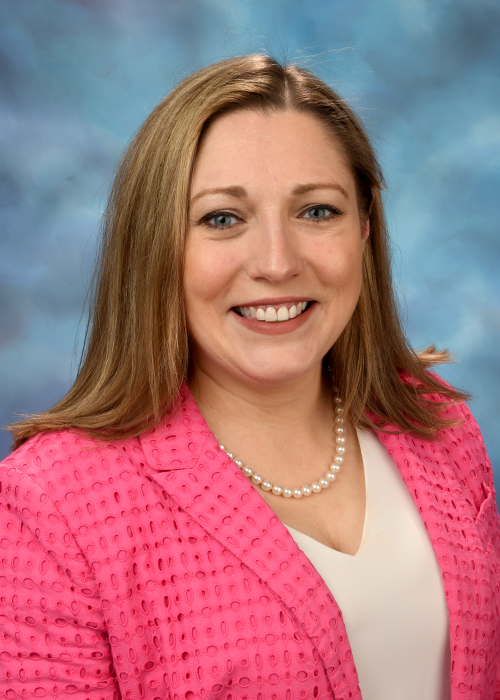
104th Regular Session Introduced by Rachel Ventura

Illinois bill restricts genetic and neurotech data collection, requiring explicit consent and establishing privacy protections to prevent unauthorized commercial or governmental use of sensitive biological information.

Senate Committee Amendment No. 1 Rule 3-9(a) / Re-referred to Assignments
0
WeVote Research Nonpartisan
Bill Summary · SB 2994

Legislative bill overview

SB 2994 establishes privacy protections for genetic and neurological data in Illinois, restricting how companies and entities can collect, store, and use information derived from DNA analysis and brain-computer interface technologies. The bill creates disclosure requirements and consent mechanisms for individuals whose genetic or neurotech data is gathered, and establishes penalties for unauthorized use or sale of such information.

Why is this important

As genetic testing and neurotechnology become increasingly commercialized, individuals' most sensitive biological information faces potential misuse for discrimination, targeted marketing, or law enforcement purposes without explicit knowledge. This bill addresses a significant regulatory gap by establishing baseline privacy standards in a rapidly advancing technological sector where existing privacy laws lag considerably behind industry capabilities.

Potential points of contention

  • Scope and definition disputes: The bill's definitions of "genetic data" and "neurotech information" may be too broad (capturing routine health records) or too narrow (missing emerging technologies), creating enforcement challenges or loopholes
  • Business compliance costs: Companies argue compliance with new disclosure, consent, and data security requirements could increase operational costs and reduce innovation in legitimate genetic testing and medical neurotech applications
  • Law enforcement access: Unclear provisions on whether police and prosecutors can access genetic/neurotech data with warrants may generate conflict between privacy advocates (favoring restrictions) and public safety advocates (opposing limitations)

Compiled from official sources — confirm details with the bill’s official record.

Sign in to ask a question.