Overview
Generative AI Terrorism Risk Assessment Act (S. 4762, 119th Congress)
Purpose: To require the Secretary of Homeland Security, in coordination with the Director of National Intelligence, to conduct annual assessments on threats to the United States posed by the use of generative artificial intelligence (GAI) for terrorism. The bill also sets out data-sharing and reporting requirements to inform Congress and relevant federal and state authorities.
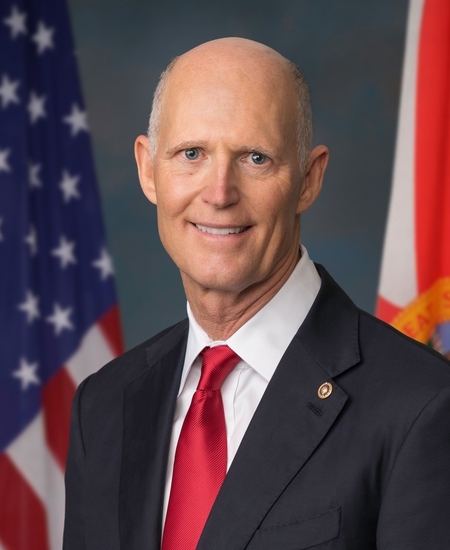
Status (as introduced): Read twice and referred to the Senate Committee on Homeland Security and Governmental Affairs. Major sponsors include Sen. Rick Scott (with Sen. Cynthia Lummis and Sen. Marsha Blackburn as co-sponsors). Introduced June 11, 2026.
Short title: Generative AI Terrorism Risk Assessment Act
Key Definitions
- Generative Artificial Intelligence: AI models that imitate input data to produce synthetic content (images, videos, audio, text, etc.).
- Terrorism: Aligns with the Homeland Security Act of 2002 definitions.
- Foreign Terrorist Organization: As designated under 8 U.S.C. 1189.
- Fusion Center and National Network of Fusion Centers: DHS and FBI-coordinated entities for sharing homeland security information at the state/local levels.
- Appropriate Congressional Committees: Senate Homeland Security and Governmental Affairs; Senate Select Committee on Intelligence; Senate Committee on Commerce, Science, and Transportation; and their House counterparts (Homeland Security, Intelligence, Energy and Commerce).
What the Bill Seeks to Accomplish
Sense of Congress: Acknowledges that foreign terrorist organizations’ use of generative AI represents a national security threat that is not yet fully understood and requires DHS action, in consultation with the DNI.
Annual Threat Assessments (Section 4):
- Timeline: First assessment within one year of enactment, then annually for five years.
- Content: Each assessment must analyze incidents in the preceding calendar year where foreign terrorist organizations or individuals used or attempted to use GAI to:
- Spread violent extremist messaging, facilitate radicalization/recruitment.
- Enhance capabilities to develop or deploy chemical, biological, radiological, or nuclear weapons.
- Recommendations: Provide countermeasures and policy options to address these threats.
- Coordination: Ensure privacy rights, civil rights, and civil liberties protections; may incorporate existing DHS products.
- Form and Publication: Unclassified version to be published on DHS website; classified annex allowed.
- Briefings: DHS Secretary must brief appropriate congressional committees within 30 days of each assessment; other federal agencies may join if deemed appropriate.
Information Sharing (Section 4, Subsection b):
- DHS must review threat information from state fusion centers and the National Network of Fusion Centers related to GAI-facilitated terrorism.
- Integrate relevant information into DHS terrorism threat materials and disseminate to fusion centers national-wide.
- Coordination: Entities listed (ODNI, FBI, the broader intelligence community, and other relevant agencies) must share information to support DHS efforts.
Who/What Would Be Affected
- Primary Beneficiary: U.S. homeland security and national security apparatus, particularly DHS and its fusion centers.
- Federal Partners: Office of the DNI, FBI, and other intelligence/community agencies involved in terrorism threat assessment and information sharing.
- Legislative/Policy Impact: Creates a recurring, formal mechanism for assessing and communicating risks from GAI-enabled terrorism, with public-facing reports and internal policy guidance.
- Public/Transparency: Unclassified sections of threat assessments would be publicly accessible, increasing transparency about identified risks and recommended countermeasures, subject to privacy and sensitive information protections.
Procedural and Timeline Considerations
- Enactment Timeline: Assessments begin within one year of enactment and recur annually for five years.
- Publication: Unclassified portions publicly posted; privacy rights and other legal protections observed.
- Briefings: Mandatory briefings to appropriate congressional committees within 30 days after each assessment; cross-agency participation as appropriate.
- Information Sharing: Emphasizes coordination with fusion centers and the intelligence community to inform DHS products and public-facing materials.
Potential Impacts and Implications
- Strengthens federal capability to monitor and respond to evolving GAI-related terrorist threats.
- Encourages proactive policy recommendations and potential development of countermeasures or safeguards.
- Enhances interagency collaboration and information sharing between DHS, intelligence agencies, and fusion centers.
- Balances transparency with civil liberties protections by restricting public reports to unclassified content and including privacy safeguards.
If you’d like, I can provide a one-page briefing version or a comparison with related cyber/AI security bills.





Start the Conversation
Be the first to share your thoughts on this petition. Your voice matters!