

WeVote

Bill

Bill

SB 4160

$FY27 DCEO

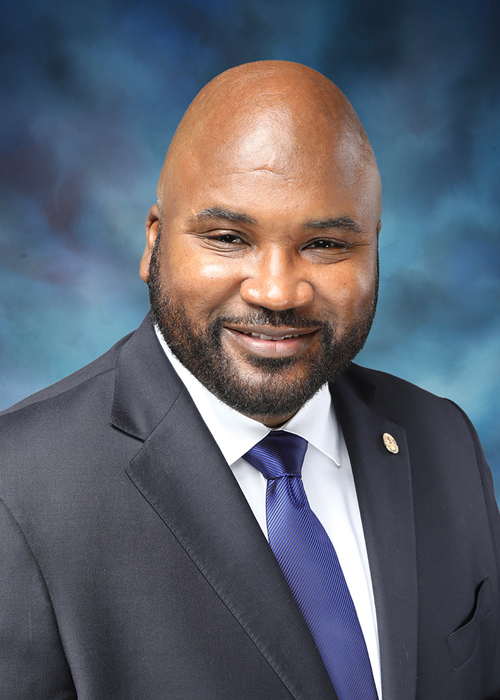
104th Regular Session Introduced by Elgie Sims

The bill allocates and guides funding for FY27 DCEO programs to support economic development, workforce initiatives, and related grants and projects in Illinois.

0
WeVote Research Nonpartisan
Bill Summary · SB 4160

Summary of SB 4160 (104th Illinois General Assembly) — FY27 DCEO

Purpose and intent

  • The bill is introduced in Illinois and sponsored with a co-sponsor by Elgie Sims.
  • Its primary focus appears to involve the Department of Commerce and Economic Opportunity (DCEO) and related economic development programs for Fiscal Year 2027 (FY27).
  • The overarching aim is to modify, authorize, or fund activities tied to economic development, workforce development, business assistance, or related DCEO-administered initiatives for the FY27 period.

Key provisions and changes

  • Allocation and appropriation guidance:
    • Establishes or adjusts funding levels for DCEO programs for FY27, including specific line items or program categories.
    • May set appropriation caps, authorizations, or transfer authority to support identified initiatives.
  • Programmatic authorities:
    • Expands, redefines, or clarifies eligibility criteria for DCEO-administered programs (e.g., business grants, loan programs, minority- or women-owned business support, veteran-focused initiatives, site development, or clean-energy projects).
    • Introduces or adjusts performance metrics, reporting requirements, and accountability standards for funded activities.
  • Administrative and governance changes:
    • Modifies operational procedures within DCEO, such as grant administration timelines, approval thresholds, or cooperative agreements with local governments, nonprofits, or private entities.
    • May create or update advisory councils, reporting obligations, or interagency coordination mechanisms.
  • Economic and workforce impact:
    • Targets job creation, retention, or upskilling; could specify benchmarks (e.g., number of jobs created, wage levels, or investment match requirements) as a condition for funding.
    • May emphasize sectors of focus (e.g., manufacturing, technology, energy, infrastructure) or geographic targeting (e.g., distressed areas or regions with high unemployment).

Stakeholders affected

  • Primary: Illinois-based businesses, manufacturers, startups, and small to mid-sized enterprises seeking state support through DCEO programs.
  • Indirect: Local governments, economic development organizations, workforce development boards, educational and training institutions, and communities targeted for investment or revitalization.
  • State agencies: DCEO and potentially cooperating state departments or legislative oversight bodies responsible for budget compliance and program evaluation.

Procedural and timeline considerations

  • Fiscal year framing: Provisions pertain to FY27, implying annual or multi-year appropriation cycles beginning in FY27.
  • Implementation timelines: If enacted, provisions would take effect according to the bill’s effective date, with potential phased rollouts for programs or reporting schedules.
  • Oversight and reporting: Likely includes annual reporting requirements to the General Assembly and/or specified committees, detailing program outcomes, expenditures, and statutory compliance.

Potential impacts and considerations

  • Resource allocation: Could alter the level and distribution of state funding directed to economic development and workforce initiatives.
  • Economic outcomes: Aims to stimulate investment, job creation, and regional growth through DCEO-supported projects.
  • Accountability: Enhanced or revised reporting and compliance expectations may improve transparency and program effectiveness.

If you’d like, I can pull in the bill’s exact text to provide line-item details, specific dollar amounts, and precise program names and eligibility criteria.

Compiled from official sources — confirm details with the bill’s official record.

Sign in to ask a question.