

WeVote

Bill

Bill

HR 10247

Future of America’s Workforce Act

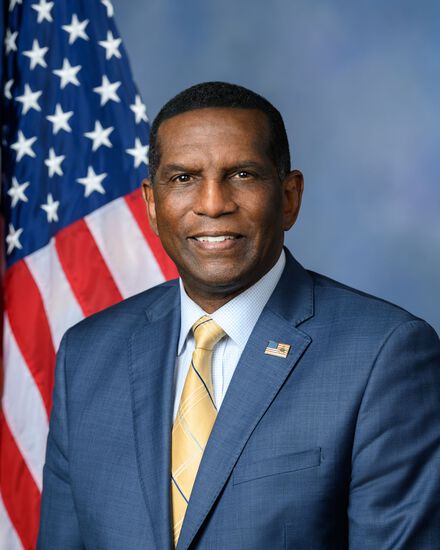
119th Congress Introduced by Burgess Owens

The bill aims to modernize and expand federal workforce training and education programs to better align with labor market needs through accessible, outcomes-based funding and coord

Introduced in House
1
WeVote Research Nonpartisan
Bill Summary · HR 10247

Overview

HR 10247, titled the Future of America’s Workforce Act, is a bill introduced in the 119th Congress and referred to the House Committee on Education and Workforce. The sponsor and co-sponsor information indicates legislative backing from members of the House, including co-sponsor Burgess Owens. The action history shows the bill’s introduction and immediate referral to committee on the same day.

Purpose and intent

  • The bill appears designed to address workforce development and preparedness for the U.S. economy, with a focus on strengthening programs, policies, or funding related to training, education, and employment pathways for workers.
  • It aims to adapt and modernize the nation’s workforce infrastructure to better align with current and future labor market needs.

Key provisions and changes (as described in the summary)

  • Federal support for workforce development: The bill likely establishes or expands programs intended to improve training opportunities, apprenticeships, and career pathways for workers across sectors.
  • Alignment with labor market needs: Provisions may emphasize employer partnerships, industry-recognized credentials, and outcomes-based funding to ensure program effectiveness.
  • Education and training coordination: The act could create or reorganize federal roles, reporting requirements, and interagency coordination to streamline workforce initiatives.
  • Emphasis on accessibility and inclusion: The bill may include measures to increase access to training for underserved or dislocated workers, including veterans, low-income individuals, and rural populations.
  • Accountability and evaluation: Provisions probably establish metrics, benchmarks, and reporting to assess program impact and cost-effectiveness.

Note: The exact text of the bill would specify detailed programs, authorizations, funding levels, eligible entities (e.g., community colleges, workforce investment boards, nonprofit groups), and any pilot or permanent initiatives. The summary above reflects common elements typically found in workforce modernization legislation.

Who would be affected

  • Workers seeking training or upskilling opportunities through federal programs.
  • Employers and industry groups partnering with training providers to design and fund credential programs.
  • Educational institutions (e.g., community colleges, career schools) and workforce development organizations that administer federal initiatives.
  • Federal agencies involved in education, labor, and workforce development, which would implement, monitor, and report on the programs.

Procedural and timeline aspects

  • Status: Introduced and referred to the House Committee on Education and Workforce (as of 2026-09-03).
  • Next steps: The committee may hold hearings, mark up the bill, and potentially send it to the full House for consideration. If enacted, the bill would proceed through the standard legislative process, including potential amendments, Senate consideration, and, if necessary, a conference committee to reconcile differences.
  • Implementation considerations: Depending on the authorizations, the bill could specify effective dates for new programs, funding appropriations, and any sunset or renewal provisions.

Additional notes

  • Co-sponsor: Burgess Owens. This indicates cross-member support but does not by itself determine the bill’s fate.
  • Without the full text, specific program names, funding amounts, eligibility criteria, and administrative details cannot be confirmed in this summary. Access to the bill’s text would allow for point-by-point outlining of statutory changes and budget implications.

Compiled from official sources — confirm details with the bill’s official record.

Sign in to ask a question.