

WeVote

Bill

Bill

HR 7529

Fresh Starts for Foster Youth Act

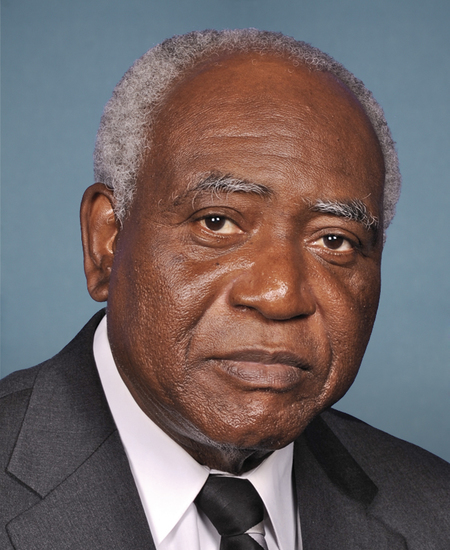
119th Congress Introduced by Danny Davis and 3 co-sponsors

The bill expands Chafee program funding to include legal counseling and requires states to integrate legal issues into foster youth case planning to improve housing, education, emp

Reported (Amended) by the Committee on Ways and Means. H. Rept. 119-640.
0
WeVote Research Nonpartisan
Bill Summary · HR 7529

Summary of Bill: H.R. 7529 (119th Congress) – Fresh Starts for Foster Youth Act

Overview

  • Title: Fresh Starts for Foster Youth Act
  • Purpose: To require states to consider legal issues affecting foster youth as part of case planning and to allow use of funds from the John H. Chafee Foster Care Program for Successful Transition to Adulthood to support access to legal services and counseling.
  • Introduced: February 12, 2026
  • Primary sponsors: Rep. Davis (IL) and Rep. Lahood; co-sponsors include Reps. Schweikert, Davis, LaHood
  • Status: Referenced to House Ways and Means; reported in the nature of a substitute (as of April 29, 2026)

What the bill would do (key provisions)

1) Amendments to the Chafee Foster Care Program (Section 477 of the Social Security Act)

  • The bill expands the scope of “education” to explicitly include “legal counseling access” as part of services associated with the Chafee program.
  • It adds a new certification requirement for states:
    • State-level chief executive officer must certify that the state’s case planning and related processes consider the impact of certain legal issues on housing, education, employment entry, and family connections for current and former foster youth.
    • The certification should address how issues such as state court records, legal recognition of family relationships, and custody/permanency matters are addressed.

2) Requirements for state case planning

  • States must integrate legal issue considerations into case planning and related processes. This includes attention to:
    • Housing stability and access
    • Education continuity and opportunities
    • Pathways into employment
    • Maintenance or restoration of family connections
    • Handling of state court records
    • Legal recognition of family relationships
    • Custody and permanency issues

3) Effective date and transition

  • Effective date: The amendments take effect one year after enactment.
  • Application: Applies to Chafee program payments under plans approved by HHS on or after that date.
  • Temporary delay provision: If a state needs new legislation (other than funding) to meet the amendments, the state plan will not be deemed noncompliant before the first calendar quarter of the first regular session of the state legislature that begins after enactment. This accommodates state legislative timing, including two-year session calendars.

Who is affected

  • Foster youth served under the John H. Chafee Foster Care Program for Successful Transition to Adulthood (and their families).
  • State Agencies administering Chafee programs (e.g., child welfare, education, housing, and employment-related offices).
  • State Chief Executive Officers (or equivalent) responsible for certifying compliance with the new planning requirements.
  • Legal service providers and counselors who may be funded through Chafee program dollars to assist foster youth with legal issues and counseling.

Potential impact

  • Expanded access to legal counseling and services for foster youth through Chafee program funding.
  • More holistic case planning that explicitly accounts for legal determinants of housing, education, employment, and family stability.
  • Greater emphasis on addressing legal barriers faced by foster youth, including issues tied to custody, permanency, and state court records.
  • A transition period allowing states time to adjust, with a phased implementation contingent on state legislative or regulatory changes if needed.

Procedural notes

  • Committee action: Referred to Ways and Means; later action indicates consideration and markup, with a substitute report produced (as of April 29, 2026).
  • Enactment timeline: Provisions become effective one year after enactment, with a potential delay for required state legislation.

Compiled from official sources — confirm details with the bill’s official record.

Sign in to ask a question.