

WeVote

Bill

Bill

SB 2468

Free to Speak Law; enact.

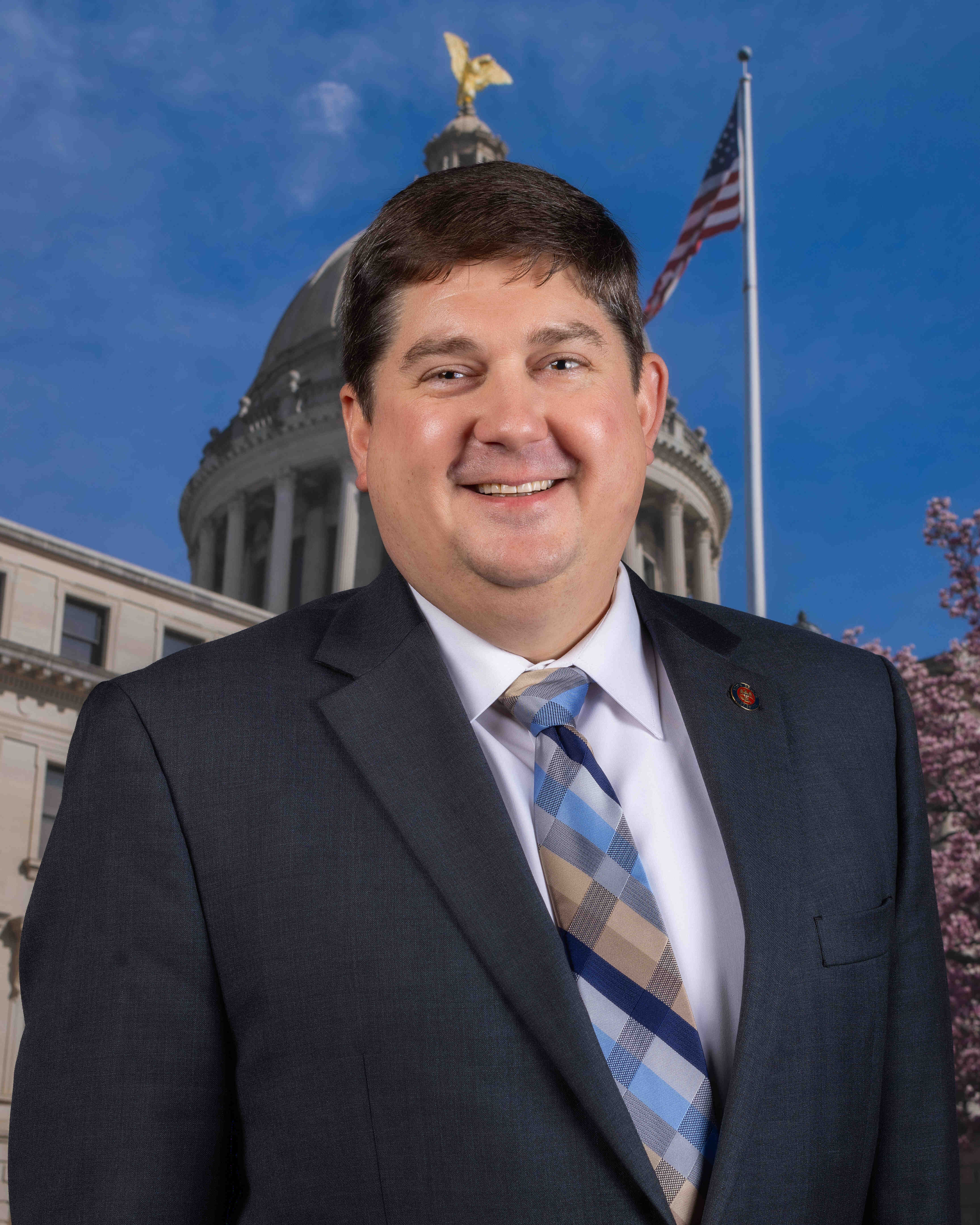
2025 Regular Session Introduced by Jeremy England

Extends employer‑paid health insurance for survivors of public safety employees killed or catastrophically injured, including full premium for surviving spouses after remarriage an

Died In Committee
0
WeVote Research Nonpartisan
Bill Summary · SB 2468

SB 2468 — “Free to Speak Law; enact.” (summary)

Status: Died in committee
Introduced: Feb 7, 2025 (sponsored by Sen. Michael E. Hastings; co‑sponsor added Feb 26, 2025)
Legal reference amended: 820 ILCS 320/10 (Public Safety Employee Benefits Act)

Purpose / Intent

SB 2468 would have amended Section 10 of the Public Safety Employee Benefits Act to extend and clarify employer‑paid group health insurance continuation for survivors of certain public safety employees who are catastrophically injured or killed in the line of duty. The stated intent is to ensure surviving spouses and dependent children keep employer‑paid health coverage under specified circumstances.

Key provisions

  • Expands continuation of employer‑paid health coverage when a covered full‑time public safety employee (law enforcement officer, correctional/probation officer, or firefighter) suffers a catastrophic injury or is killed in the line of duty.
  • If the injured employee subsequently dies, the employer must continue to pay the entire health insurance premium for the surviving spouse (removing the prior limitation that coverage ends upon remarriage).
  • Employer must also pay the entire premium for the employee’s dependent children under the conditions already in the statute: generally until the child reaches the age of majority, or through the end of the calendar year in which the child turns 25 if the child remains dependent for support or is a full‑ or part‑time student and dependent for support.
  • Health plan choices: coverage must be offered consistent with plans available to currently employed counterparts; State Employee Group Insurance Act plans remain subject to open enrollment and qualifying‑event rules.
  • Other sources of health insurance benefits reduce what is payable under this section.
  • Fraud provisions: knowingly making false statements to obtain benefits is a Class A misdemeanor; upon conviction a beneficiary forfeits the right to benefits obtained by fraud and must reimburse the employer for benefits paid.

Eligibility / qualifying events

Coverage applies where the catastrophic injury or death occurred as a result of:
- response to fresh pursuit,
- response to a reasonably believed emergency,
- an unlawful act by another, or
- during investigation of a criminal act.

The bill states it does not limit other potentially available health or pension benefits.

Who is affected

  • Primary: surviving spouses and dependent children of covered full‑time public safety employees killed or catastrophically injured on or after the bill’s effective date.
  • Secondary: employers of those public safety employees (municipalities, counties, state agencies) — potentially increased premium costs.
  • Insurers and plan administrators implementing employer group coverage.
  • Taxpayers could be indirectly affected if local or state employer costs rise.

Procedural / timeline notes

  • Introduced Feb 7, 2025; co‑sponsor added Feb 26, 2025.
  • Read and referred to committee in early April 2025.
  • Official status on the bill record: Died In Committee.

Potential impact

  • Fiscal: increases employer obligations to continue paying full health premium for surviving spouses (no remarriage cutoff) and dependent children meeting the stated conditions — could raise costs for public employers and affect budgets.
  • Beneficiary: improves continuity and duration of health coverage for survivors of line‑of‑duty catastrophes or deaths.
  • Administrative: requires employers/insurers to adjust eligibility and premium continuation procedures; anti‑fraud enforcement provisions add criminal penalties and reimbursement obligations.

(Source: text of introduced bill amending 820 ILCS 320/10; bill actions as listed in legislative record.)

Compiled from official sources — confirm details with the bill’s official record.

Sign in to ask a question.