Summary of HR 8312 — Fraud Prevention and Accountability Act
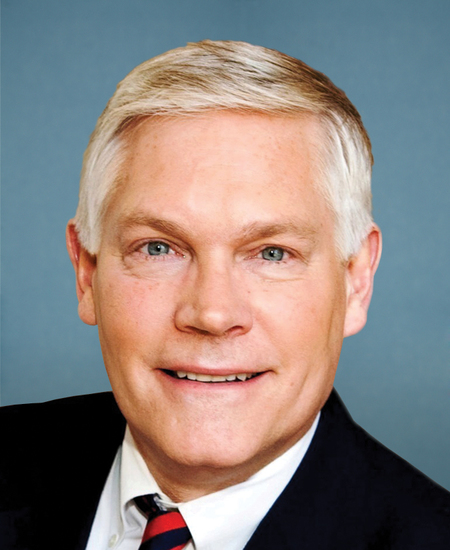
Date introduced: April 15, 2026 | Session: 119th Congress | Sponsor: Rep. Pete Sessions (co-sponsor)
Purpose
- Establish comprehensive fraud prevention and program integrity functions within the Department of the Treasury.
- Create a permanent, governmentwide Inspector General for Fraud, Accountability, and Recovery to oversee and coordinate anti-fraud efforts across federal programs funded with “covered funds.”
- Strengthen data sharing and analytic capabilities to detect and prevent fraud, waste, and improper payments.
Key Provisions
1) Establishment of Fraud Prevention and Financial Integrity Functions at Treasury
- Amends 31 U.S.C. § 306 to designate the Bureau of the Fiscal Service as the entity responsible for:
- Administering and operating the Do Not Pay system with data use restrictions.
- Establishing and maintaining a governmentwide data analysis program (in consultation with the OMB Director) to share data and provide fraud-detection services to federal agencies, states, and private entities disbursing federal funds.
- Data sharing and standardized practices for identifying and addressing fraudulent payments, including data on improper payments, with the Treasury.
Data sharing framework includes:
- Data sharing with agencies on known/suspected fraud.
- Screening of awardees/payees and cyber activity against a centralized fraud database before awards/payments.
- Development of governmentwide standards for fraud data collection and sharing.
- Partnerships with financial institutions and industry for best practices and pattern sharing.
- Providing identity, eligibility, account, and vital-event verification tools as needed.
Access to data for the Inspector General for Fraud, Accountability, and Recovery to support oversight, with written data sharing agreements clarifying use.
2) Establishment of a Permanent Inspector General for Fraud, Accountability, and Recovery (31 U.S.C. § 317)
- Creates the Office of the Inspector General for Fraud, Accountability, and Recovery within the Department of the Treasury.
- Appointment and removal: President nominates with Senate approval; term and removal aligned with standard IG provisions; salary tied to general IG levels.
- Duties:
- Conduct audits and investigations of the use, provision, or award of covered funds; work with agency IGs and DOJ as needed.
- Develop data analytics capabilities, support cross-program integrity efforts, identify cross-cutting risks, and share data/tools with agencies.
- Establish an advisory committee of other IGs to identify cross-agency fraud risks and recommend measures to prevent fraud, with a view toward reducing duplication of oversight.
- Provide investigative support to prosecutors; coordinate with the Comptroller General, state/local IGs, and state/local auditors as appropriate.
- Data analytics and information sharing: creation of independent data platforms, bulk data access, and real-time data sharing where feasible.
3) Transition, Staffing, and Authorities
- Temporary transition: An acting official (initially PRAC Chair or Executive Director) to oversee the office until a permanent IG is appointed.
- Staffing authority: The IG may hire personnel, including an Assistant IG for Investigations, and may use annuitants or contractors; transfer of personnel from PRAC is provided.
- Powers: The IG has authorities under 5 U.S.C. § 406 and 31 U.S.C. § 317 to access information, conduct oversight, and coordinate with other agencies; records may be treated as investigative material.
4) Data Sharing and Coordination
- Expands authority under 31 U.S.C. § 321(a) to include MOUs with other agencies and private entities to secure access to data assets for fraud prevention.
- Requires OMB and Treasury coordination on implementing guidance by March 1, 2029, with a 270-day timeline to issue updated regulations and governmentwide guidance.
- Provisions for oversight of “covered funds” defined to include CARES Act funds, ARPA funds, SBA programs, unemployment, and other major federal relief or disaster-spending programs.
5) Termination and Transfer of Pandemic-Response Assets
- Transfers the Pandemic Response Accountability Committee’s assets to the new Office by December 31, 2028, and terminates PRAC.
- CARES Act 15010 provisions repealed as of the transfer date.
5) Oversight and Reporting
- Annual and periodic reports to Congress beginning within 60 days of confirmation, including fraud prevention results, and program integrity recommendations.
- Public-facing website to provide transparency on covered funds and related oversight reports.
Potential Impact
- A centralized, governmentwide approach to fraud prevention and program integrity, leveraging Treasury data systems and a permanent IG.
- Increased data sharing and analytics capabilities to detect fraud across a broad set of federal programs and disaster-relief funds.
- Higher potential for proactive risk identification, cross-agency coordination, and faster corrective actions, with a formal mechanism to report to Congress and the public.
- Significant organizational changes, including the absorption of PRAC assets and new staffing/operational authorities for the Treasury IG office.
Note: The bill defines “covered funds” broadly, with specific programs and funding streams enumerated, and sets implementation timelines that extend into 2029 and beyond.