

WeVote

Bill

Bill

S 4854

Foster Youth Housing Opportunity Act

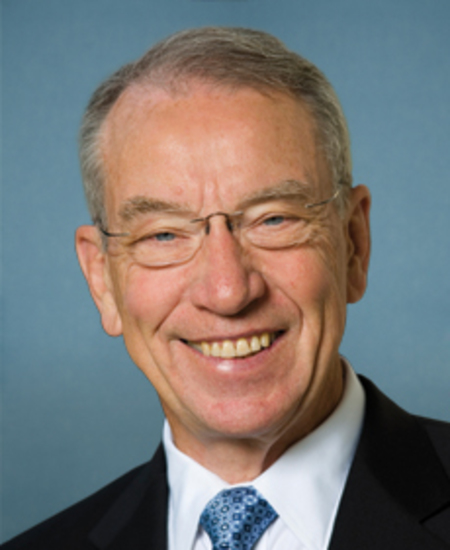
119th Congress Introduced by Chuck Grassley and 1 co-sponsor

Expands housing assistance and supportive services for current and former foster youth to improve housing stability and independence.

Introduced in Senate
0
WeVote Research Nonpartisan
Bill Summary · S 4854

Summary of Bill: Foster Youth Housing Opportunity Act (S 4854, 119th Congress)

Purpose and intent

  • The Foster Youth Housing Opportunity Act aims to expand housing stability and access for current and former foster youth. By addressing gaps in housing options, the bill seeks to reduce homelessness and insecurity among young people transitioning out of the foster care system and to support long-term housing stability, independence, and success in education or employment.

Key provisions and changes (highlights)

  • Housing assistance expansion: The bill would increase or create housing assistance programs specifically targeted to foster youth, including eligibility enhancements and potential rental subsidies or vouchers tailored to the needs of young adults transitioning from foster care.
  • Priority and access provisions: Foster youth would receive prioritized access to certain federal housing resources or targeted channels to streamline application and placement processes.
  • Coordination with foster care agencies: Requires coordination between federal housing agencies and state/federal child welfare or foster care agencies to identify eligible youth, verify status, and ensure timely assistance.
  • Supportive services integration: May authorize or fund supportive services (e.g., case management, financial literacy, education and career coaching, and mental health services) to accompany housing assistance, with the goal of improving housing retention and independence.
  • Safeguards and accountability: Establishes reporting requirements and performance measures to monitor program effectiveness, prevent misuse, and protect the privacy and safety of youth participants.
  • Funding authorization: Specifies a funding level or authorizes appropriations to support the housing programs and integrated services, potentially outlining distribution formulas or priorities among states or jurisdictions.
  • Sunset or evaluation provisions: May include a timeline for periodic evaluation or sunset review to assess impact and justify continued funding.

Who would be affected

  • Primary beneficiaries: Current and former foster youth who are navigating housing stability or transitioning to independent living.
  • Federal agencies: U.S. Department of Housing and Urban Development (HUD) and related housing programs; potential collaboration with the Department of Health and Human Services and state child welfare agencies.
  • State and local partners: State foster care and housing authorities, public housing agencies, and service providers delivering supportive services.

Procedural and timeline aspects

  • Introduction and referral: Introduced in the Senate and referred to the Committee on Finance for consideration.
  • Legislative process: The bill would move through committee hearings, potential markups, and floor consideration in the Senate. If passed by the Senate, it would move to the House (or face reconciliation if already moving in parallel) per standard bicameral process.
  • Implementation timeline: If enacted, the act would specify effective dates for program launches, funding availability, and any phased implementation, including any required grant cycles or application windows for housing assistance.
  • Reporting and oversight: Ongoing reporting obligations to Congress to track utilization, outcomes, and fiscal integrity.

Additional notes

  • The bill has co-sponsors from two influential members: Chuck Grassley and Peter Welch, indicating bipartisan sponsorship focus.
  • The action history shows a recent read, with referral to the Finance Committee, signaling initial committee-level scrutiny of funding and statutory authorities.

This summary captures the bill’s stated aims, structural elements, affected populations, and the basic legislative path it would follow. For a more precise understanding, please refer to the official text of S 4854, including any amendments adopted during committee consideration.

Compiled from official sources — confirm details with the bill’s official record.

Sign in to ask a question.