

WeVote

Bill

Bill

HR 10038

FORK Act of 2026

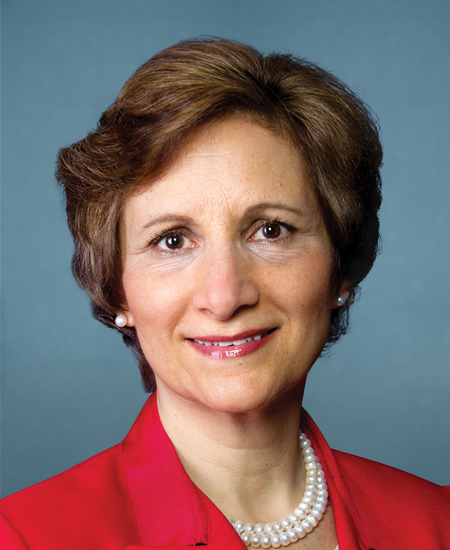
119th Congress Introduced by Suzanne Bonamici and 3 co-sponsors

The FORK Act creates a 1-year pilot program to deliver noncongregate summer meals via delivery vehicles to rural and underserved areas, with grants up to $100,000.

Introduced in House
0
WeVote Research Nonpartisan
Bill Summary · HR 10038

Summary of HR 10038 — Feeding Our Rural Kids Act of 2026 (FORK Act)

Purpose and intent

HR 10038 amends the Richard B. Russell National School Lunch Act to create a new pilot program aimed at expanding access to noncongregate summer meals by delivering them via specially equipped vehicles. The bill is designed to support rural and non-urban areas with limited summer meal resources and to test delivery models that bypass traditional congregate meal settings.

Key provisions and changes

  • Is a short-title: The act may be cited as the Feeding Our Rural Kids Act of 2026 (FORK Act of 2026).
  • Establishes a Summer Meal Delivery Vehicle Pilot Program:
    • Eligible entity: Defined as a service institution.
    • Establishment and duration: A pilot program to begin the first summer after enactment (180 days after enactment) to award grants to eligible entities.
    • Priority criteria for grants:
    • Areas with poor economic conditions.
    • Areas outside core-based statistical areas.
    • Areas with a high proportion of students from socially disadvantaged backgrounds.
    • Geographic distribution: Grants should, to the maximum extent practicable, be awarded to eligible entities in different states.
    • Grant terms and limits:
    • Grant term: 1 year.
    • Maximum grant amount: $100,000.
    • Administrative costs: Up to 10% of the grant funds may be used for administrative expenses.
    • Reporting requirements: Grant recipients must periodically report to the Secretary on grant use and impact, including:
    • Number and type of benefiting sites.
    • Number of children served.
    • Technical assistance and best practices: The Secretary must provide support and share best practices with grant recipients.
    • Evaluation and reporting to Congress: A report to Congress is due not later than 4 years after the pilot’s establishment, summarizing program administration and recipient reports.
    • Authorization of appropriations: $1,000,000 is authorized for each fiscal year 2027 through 2029 to carry out the pilot program.

Who and what is affected

  • Participants: Eligible service institutions can apply for grants to purchase, retrofit, or repair vehicles used to distribute noncongregate summer meals.
  • Beneficiaries: Children in eligible communities, particularly in rural, economically challenged, or non-core urban areas with high concentrations of disadvantaged students.
  • Agencies: U.S. Department of Agriculture (Secretary) would administer the pilot, oversee grant awards, reporting, and technical assistance.

Procedural and timeline notes

  • Enactment timing: Pilot begins the first summer following enactment (roughly summer 2027, given the 180-day trigger).
  • Reporting cadence: Ongoing grant reporting during the pilot; a congressionally focused evaluation report due within four years of program establishment.
  • Funding: Multiyear authorization of $1 million per year for 2027–2029, with grant awards capped at $100,000 and limited administrative costs.

Overall, the FORK Act seeks to pilot a delivery-based approach to summer meals in underserved settings, with structured grant support, performance reporting, and periodic evaluation to inform potential larger-scale adoption.

Compiled from official sources — confirm details with the bill’s official record.

Sign in to ask a question.