
BILL • US HOUSE
FORCE Act
The FORCE Act modernizes federal reserve commands, enhancing efficiency and training while reallocating resources to improve operations and interagency collaboration.
Introduced in House
BILL • US HOUSE
The FORCE Act modernizes federal reserve commands, enhancing efficiency and training while reallocating resources to improve operations and interagency collaboration.
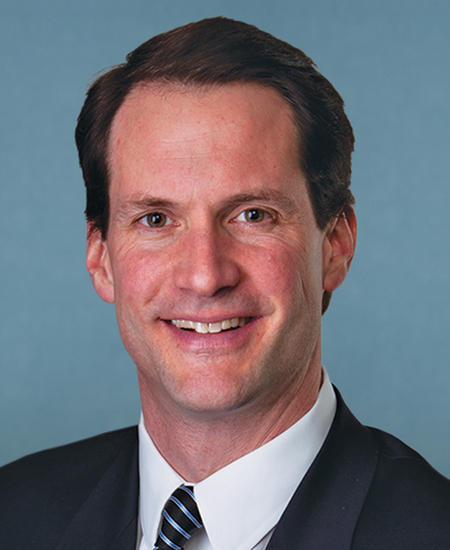
The Federal Overhaul of Reserve Command Executive Modernization Act, commonly referred to as the FORCE Act, was introduced in the House of Representatives on May 21, 2025. The primary sponsor of the bill is Zachary Nunn, with James A. Himes serving as a cosponsor. The bill has been referred to the House Committee on Financial Services for further consideration.
The FORCE Act aims to modernize and enhance the operational effectiveness of reserve command structures within federal agencies. The intent is to streamline processes, improve efficiency, and ensure that reserve commands are equipped to meet contemporary challenges.
While the specific provisions of the FORCE Act have not yet been detailed in the introduced version, the following areas are typically addressed in similar legislative efforts:
Modernization Initiatives: The bill may propose updates to existing protocols and technologies used by reserve commands to improve responsiveness and operational capabilities.
Resource Allocation: It could include provisions for reallocating financial resources to support modernization efforts, ensuring that reserve commands have the necessary tools and training.
Training and Development: The act might emphasize enhanced training programs for personnel within reserve commands to adapt to new technologies and methodologies.
Interagency Collaboration: The bill may promote collaboration between various federal agencies to share best practices and resources, fostering a more integrated approach to reserve command operations.
The FORCE Act is expected to impact several groups, including:
Federal Reserve Command Personnel: Members of reserve commands will likely see changes in their operational procedures and training requirements.
Federal Agencies: Agencies that utilize reserve commands may need to adapt to new protocols and resource allocations.
Taxpayers: As the bill may involve financial implications for federal funding, taxpayers could be affected by changes in budget allocations.
The bill is currently in the early stages of the legislative process, having just been introduced and referred to the relevant committee for review. Further actions, including hearings and potential amendments, will determine the bill's progression.
The FORCE Act represents a significant step towards modernizing federal reserve command structures. As the bill moves through the legislative process, more details on its provisions and potential impacts will emerge, providing clearer insights into its implications for federal operations and personnel.
Hi! I'm your AI assistant for HR 3561. I can help you understand its provisions, impacts, and answer any questions.

We're glad to see you!
New to WeVote? Claim your Voter Profile now!
Are you an elected rep? Claim account
Join thousands of verified voters to weigh in.
Already have an account? Log in
Are you an elected rep? Claim account
No worries! Enter your email and we'll send you reset instructions.
Remember your password? Back to Login
Your email address has not been confirmed yet. Please check your inbox or request a new confirmation link below.
Didn't receive the email?
Already confirmed? Back to Login
You need to take action to continue.
You're currently in
Joining this room will disconnect you from the current one.
The meeting has ended.