

WeVote

Bill

Bill

HR 7906

FOOD for Health Act

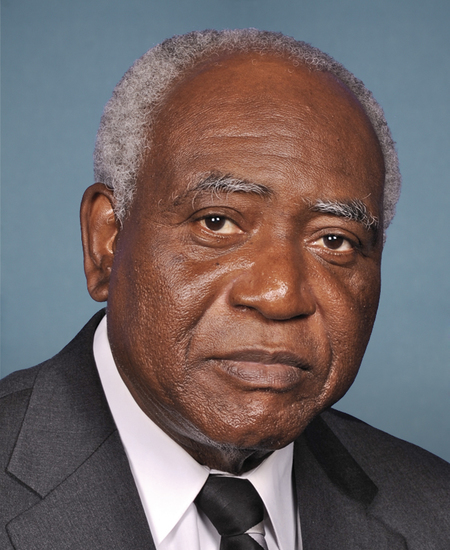
119th Congress Introduced by Danny Davis and 6 co-sponsors

The act creates a two-year pilot by the USDA to fund and evaluate medically tailored food and nutrition programs for diet-related diseases, with grants and reporting.

Referred to the Subcommittee on Nutrition and Foreign Agriculture.
0
WeVote Research Nonpartisan
Bill Summary · HR 7906

Purpose and intent

  • HR 7906, the Food is Medicine Pilot Grant Program Act (also referred to as the FOOD for Health Act), would direct the Secretary of Agriculture to establish and administer a pilot program that awards grants to support Food is Medicine programs.
  • The overarching goal is to explore and advance the integration of food, nutrition, and medically tailored nutrition interventions into health care and disease management, with an emphasis on diet-related diseases.

Key provisions and changes

  • Establishment of a Food is Medicine Pilot Grant Program:
    • The Secretary of Agriculture must establish and administer a pilot program within two years after enactment.
    • Grants are awarded on a competitive basis to eligible entities described in the bill.
  • Eligible grantees and use of funds:
    • Eligible entities would apply to receive grants to support Food is Medicine programs.
    • Grants may be used for:
    • Operating an on-site emergency feeding operation.
    • Medically tailored packaging or delivery of groceries.
    • Medically tailored meals and prescribed produce.
    • Providing nutrition education and cooking skills (including digital delivery).
    • Promoting dietary intervention strategies or other health-related strategies.
    • Transportation of program participants to and from program sites.
  • Priorities in grant awards:
    • Preference for entities that:
    • Use local and regional foods in the funded activities.
    • Include registered dietitians or nutrition professionals in the funded activities.
  • Regional balance and health outcomes:
    • The program should strive for geographic diversity and equitable treatment of urban, rural, tribal communities, and U.S. territories.
    • The program must aim to advance health outcomes.
  • Reporting and evaluation:
    • Initial report to Congress due within 2 years of program establishment, assessing efficiency and effects on patient outcomes and health system costs.
    • Final report due within 6 years, with an updated version of the initial report.
    • Reports must detail program implementation, participant criteria, diseases addressed, strategies for providing healthy, affordable food, use of medical nutrition therapy, and health/behavioral health impacts on participants.
  • Authorization of appropriations:
    • The bill authorizes $20 million for fiscal years 2027 through 2031 to fund the pilot program.
  • Definitions:
    • Diet-related diseases include diabetes/prediabetes, renal disease, obesity, hypertension, dyslipidemia, malnutrition, eating disorders, cancer, gastrointestinal diseases (including celiac disease), HIV/AIDS, cardiovascular disease, mental illness, and other diseases as determined by the Secretary.
    • A Food is Medicine program is a partnership between a community-based organization (e.g., emergency feeding operation) and a health care provider (e.g., a community health clinic) to deliver food or medical nutrition therapy to those at risk of or experiencing a diet-related disease.
    • The Secretary is the Secretary of Agriculture, coordinating with the Secretary of Health and Human Services.

Who would be affected

  • Eligible community-based organizations (CBOs), health care providers, and other entities would be eligible to apply for pilot grants.
  • Recipients could include emergency food providers, clinics, and nutrition-focused programs that deliver medically tailored foods, meals, or nutrition services.
  • Beneficiaries would primarily be individuals experiencing or at risk of diet-related diseases, with anticipated improvements in access to medically appropriate food and nutrition interventions.

Procedural and timeline details

  • Enactment timeline:
    • The act would establish the pilot program within two years of enactment.
  • Funding timeline:
    • Authorized funding of $20 million for fiscal years 2027–2031.
  • Reporting timeline:
    • Initial Congress-related report due within 2 years after program establishment.
    • Final updated report due within 6 years after program establishment.
  • Administrative coordination:
    • The program would be administered by the Secretary of Agriculture, in coordination with the Secretary of Health and Human Services.

Potential impact and considerations

  • Aims to generate evidence on the effectiveness, costs, and health outcomes of Food is Medicine interventions.
  • Could expand access to medically tailored food and nutrition services, particularly for underserved or geographically diverse communities.
  • Emphasizes integration of local foods and professional nutrition expertise, potentially improving diet-related disease management.
  • Provides a framework for ongoing evaluation to inform future policy decisions and potential program expansion.

Compiled from official sources — confirm details with the bill’s official record.

Sign in to ask a question.