Summary — SB 1665 (FOIA — Preliminary Draft / Study Exemption)
Status and sponsors
- Bill: SB 1665 — amends the Illinois Freedom of Information Act (5 ILCS 140/7).
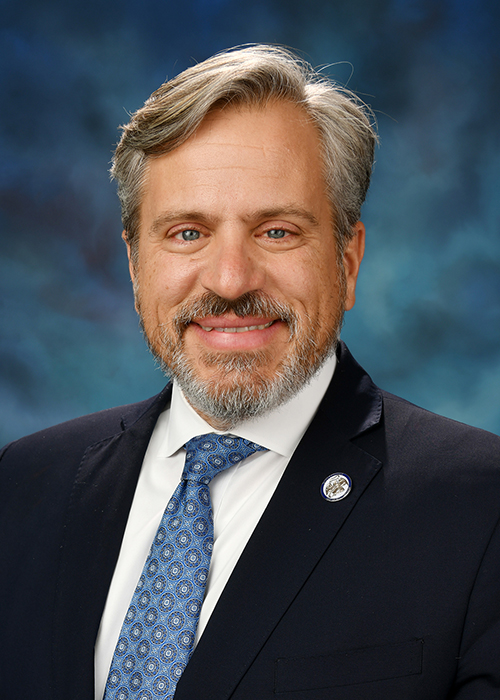
- Introduced by: Sen. Robert F. Martwick (filed Feb 5, 2025; received by Secretary Feb 27, 2025).
- Procedural status (latest in provided record): Rule 3‑9(a) / Re‑referred to Assignments (June 2, 2025).
- Note: the packet provided contains unrelated draft materials from other states (Hawaii, Arizona). This summary focuses on the Illinois FOIA proposal.
Purpose / intent
- The bill would broaden and clarify an exemption in the Illinois FOIA for internal deliberative materials — i.e., studies, drafts, notes, recommendations, memoranda, and other records in which opinions are expressed or policy/actions are formulated — by explicitly exempting them from public disclosure. The stated intent is to protect internal policymaking and candid deliberations within public bodies.
Key provisions
- Amends 5 ILCS 140/7 (the FOIA exemptions section) to exempt from inspection and copying:
- “Any studies, drafts, notes, recommendations, memoranda, and other records in which opinions are expressed, or policies or actions are formulated.”
- Carves out a specific exception to that exemption:
- A record (or relevant portion) is not exempt if:
- the record has remained in draft form for more than 12 months, AND
- public dollars were spent by a unit of local government to conduct the study.
- The bill appears to replace or expand prior draft/deliberative process language in Section 7; the rest of Section 7’s existing exemptions remain in force (as shown in the supplied full text excerpt).
Who would be affected
- Public bodies and their employees: greater ability to withhold internal deliberative materials and preliminary analyses from FOIA requests.
- Local governments: must track whether a draft study was funded with public dollars and whether it has been in draft form for more than 12 months; such studies would become disclosable under the bill’s exception.
- Requesters (journalists, watchdogs, businesses, residents): reduced access to internal drafts, recommendations, and preliminary analyses except in the limited circumstances described.
- Potentially impacts contractors and consultants producing studies for public bodies where public funds were used.
Practical and legal considerations
- Transparency trade-off: the exemption strengthens protection for the deliberative process (encouraging frank internal discussion) but narrows public transparency into decision-making.
- Administrative burden: public bodies will need to track draft status, funding source, and timing to determine disclosure obligations (12‑month clock and “public dollars” condition).
- Legal interaction: the change may prompt litigation over what constitutes a “draft,” when a record “remained in draft form” more than 12 months, and whether a given study was sufficiently funded by public dollars to trigger the exception. Existing FOIA case law on the deliberative‑process privilege will influence interpretation.
Effective date and next steps
- Introduced and progressing through committee and assignment steps; check the legislative docket for further committee hearings, amendments, or enactment action. The bill text itself does not specify an effective date beyond standard enactment provisions.
Bottom line
- SB 1665 would explicitly protect internal studies, drafts, notes, recommendations and similar records from FOIA disclosure, while creating a limited public‑access exception for long‑standing drafts (over 12 months) that were produced with public funds by local governments. This narrows public access to internal deliberations while preserving disclosure for certain publicly funded, aged drafts.