

Fluent Forces Act
The Fluent Forces Act boosts U.S. military effectiveness by enhancing language skills and cultural training, improving communication with local populations during deployments.
The Fluent Forces Act (HR 3989) was introduced in the House of Representatives on June 12, 2025. The bill aims to enhance the capabilities of the U.S. Armed Forces by addressing language proficiency and cultural competency among military personnel.
The primary purpose of the Fluent Forces Act is to ensure that U.S. military members are equipped with the necessary language skills and cultural understanding to effectively engage in diverse global environments. This initiative is intended to improve communication, foster better relationships with local populations, and enhance operational effectiveness in international missions.
While the specific text of the bill is not provided, the following key provisions are anticipated based on the bill's intent:
Language Training Programs: Establishment of comprehensive language training programs for military personnel, focusing on critical languages relevant to U.S. military operations.
Cultural Competency Training: Implementation of cultural awareness and sensitivity training to prepare service members for interactions in diverse cultural settings.
Incentives for Proficiency: Introduction of incentives for service members who achieve proficiency in designated languages, potentially including bonuses or career advancement opportunities.
Partnerships with Educational Institutions: Collaboration with universities and language institutes to develop and deliver training programs tailored to military needs.
The Fluent Forces Act would primarily impact:
U.S. Armed Forces Personnel: Active duty, reserve, and National Guard members who would benefit from enhanced training and resources.
Military Families: Families of service members may also experience indirect benefits through improved communication and cultural understanding.
Local Populations in Deployment Areas: Communities in regions where U.S. forces are deployed may benefit from improved interactions with military personnel.
Legislative Actions: The bill was referred to the House Committee on Armed Services on the same day it was introduced. This committee will review the bill and may hold hearings or make amendments before it is brought to the floor for a vote.
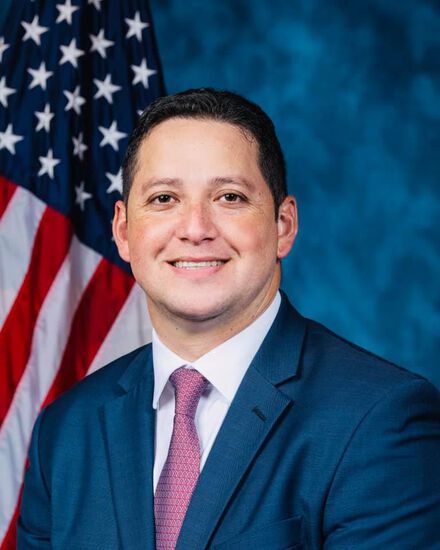
Sponsorship: The bill is sponsored by Jimmy Panetta, with Tony Gonzales serving as a cosponsor, indicating bipartisan support for the initiative.
The Fluent Forces Act represents a strategic effort to enhance the effectiveness of U.S. military operations through improved language and cultural training. As the bill progresses through the legislative process, its provisions may evolve, but its core intent remains focused on fostering better communication and understanding in military engagements worldwide.
Hi! I'm your AI assistant for HR 3989. I can help you understand its provisions, impacts, and answer any questions.
We're glad to see you!
New to WeVote? Claim your Voter Profile now!
Are you an elected rep? Claim account
Join thousands of verified voters to weigh in.
Already have an account? Log in
Are you an elected rep? Claim account
No worries! Enter your email and we'll send you reset instructions.
Remember your password? Back to Login
Your email address has not been confirmed yet. Please check your inbox or request a new confirmation link below.
Didn't receive the email?
Already confirmed? Back to Login
You need to take action to continue.
You're currently in
Joining this room will disconnect you from the current one.
The meeting has ended.