

WeVote

Bill

Bill

HR 4123

FIT Procurement Act

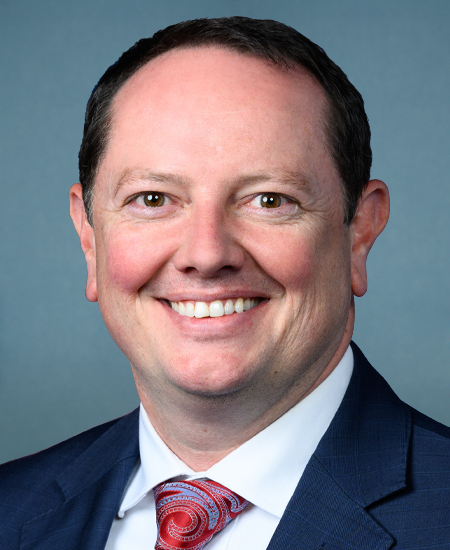
119th Congress Introduced by Eric Burlison and 3 co-sponsors

The bill broadens federal procurement to prioritize innovative tech and streamline contracts, aiming to help startups win federal work and speed up adoption.

Introduced in House
1
WeVote Research Nonpartisan
Bill Summary · HR 4123

Legislative bill overview

The FIT Procurement Act (HR 4123) aims to reform federal procurement processes by prioritizing innovative technologies and streamlined acquisition procedures. It seeks to incentivize the adoption of cutting-edge solutions within government agencies by adjusting guidelines for purchasing and contract awards, potentially making it easier for smaller and newer tech firms to compete for federal contracts. The bill emphasizes enhancing efficiency, reducing bureaucratic hurdles, and fostering a more agile procurement environment aligned with modern technological advancements.

Why is this important

Federal procurement is a significant driver of innovation and economic activity in the U.S., but it is often criticized for its complexity and slow pace. This bill targets the modernization of procurement to ensure that government agencies can more readily access and implement innovative technologies, which could improve public services and national security. By lowering barriers for tech startups and innovative firms, the bill may stimulate competition and accelerate technological progress within federal operations.

Potential points of contention

  • Some may argue that loosening procurement rules could undermine transparency and increase risks of favoritism or reduced oversight.
  • Critics might contend that smaller firms may still struggle despite reforms if federal contracting processes remain complex in practice.
  • There is a potential risk that emphasis on innovation could overshadow considerations for cost-effectiveness and long-term sustainability.
  • Implementation challenges may arise, particularly regarding training and reorienting procurement staff under new guidelines.
  • The bill's impact on existing large contractors and the defense industrial base could provoke resistance from well-established players.

Compiled from official sources — confirm details with the bill’s official record.

Sign in to ask a question.