

Bill

BILL • US HOUSE

HR 2890

Financial Inclusion in Banking Act of 2025

119th Congress
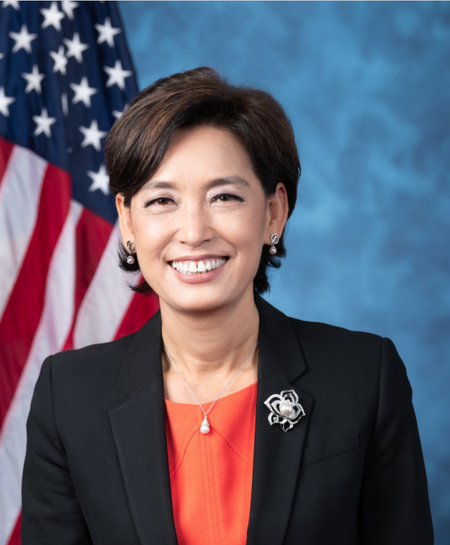
Introduced by Young Kim, Zach Nunn, David Scott

The Financial Inclusion in Banking Act of 2025 boosts access to banking for low-income, minority, and rural communities through education, incentives, and partnerships.

Introduced in House
0
0
Bill Summary • HR 2890

Summary of HR 2890: Financial Inclusion in Banking Act of 2025

Purpose and Intent

The Financial Inclusion in Banking Act of 2025 aims to enhance access to banking services for underserved populations, including low-income individuals, minorities, and rural communities. The bill seeks to address systemic barriers that prevent these groups from fully participating in the financial system, thereby promoting economic equity and financial literacy.

Key Provisions

The bill includes several significant provisions designed to improve financial inclusion:

  1. Establishment of Financial Access Programs:

    • The bill mandates the creation of programs that provide financial education and resources to underserved communities.
    • These programs will be funded through federal grants aimed at local organizations that serve these populations.
  2. Incentives for Banks:

    • Financial institutions that demonstrate a commitment to serving underserved communities will receive incentives, such as tax breaks or reduced regulatory burdens.
    • Banks will be encouraged to offer low-cost accounts and services specifically tailored to low-income customers.
  3. Data Collection and Reporting:

    • The bill requires banks to report on their efforts to serve underserved populations, including metrics on account openings, loan approvals, and financial education outreach.
    • This data will be used to assess the effectiveness of the programs and to inform future policy decisions.
  4. Collaboration with Community Organizations:

    • The legislation promotes partnerships between banks and community organizations to enhance outreach and service delivery.
    • These collaborations are intended to ensure that programs are culturally relevant and effectively meet the needs of the communities served.

Who Would Be Affected

The Financial Inclusion in Banking Act of 2025 would primarily benefit:

  • Underserved Populations: Individuals and families in low-income brackets, minorities, and residents of rural areas who currently lack access to traditional banking services.
  • Financial Institutions: Banks and credit unions that participate in the programs and initiatives outlined in the bill may receive financial incentives and support for their efforts to improve access.
  • Community Organizations: Nonprofits and local groups that work with underserved populations will gain funding and resources to enhance their financial education and outreach efforts.

Procedural Aspects

  • Introduced Date: The bill was introduced in the House on April 10, 2025.
  • Current Status: As of the introduction date, HR 2890 has been referred to the House Committee on Financial Services for further consideration.

Conclusion

The Financial Inclusion in Banking Act of 2025 represents a proactive approach to addressing financial disparities in the United States. By incentivizing banks to serve underserved communities and promoting financial education, the bill aims to create a more inclusive financial landscape that benefits all Americans.

Hi! I'm your AI assistant for HR 2890. I can help you understand its provisions, impacts, and answer any questions.

Key Provisions Impacts Timeline
Sign in to chat