

Bill

BILL • US HOUSE

HR 4579

FEMA Cybersecurity Improvement Act

119th Congress
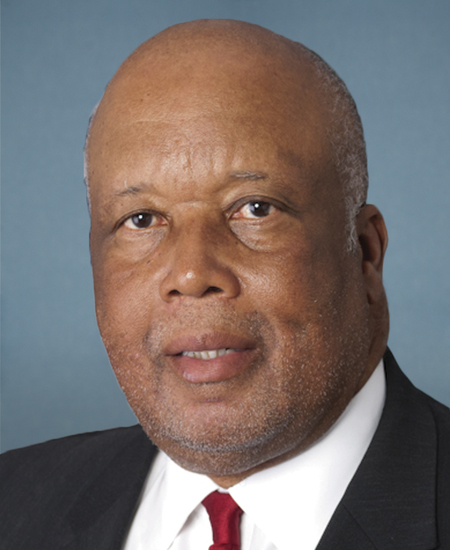
Introduced by Bennie Thompson,

The FEMA Cybersecurity Improvement Act boosts FEMA's defenses against cyberattacks, ensuring better protection of sensitive data and enhancing emergency response capabilities.

Referred to the Subcommittee on Economic Development, Public Buildings, and Emergency Management.
0
0
Bill Summary • HR 4579

Summary of HR 4579: FEMA Cybersecurity Improvement Act

Purpose and Intent

The FEMA Cybersecurity Improvement Act (HR 4579) aims to enhance the cybersecurity infrastructure of the Federal Emergency Management Agency (FEMA). The bill recognizes the increasing threats posed by cyberattacks on critical infrastructure and seeks to ensure that FEMA is equipped to protect sensitive data and maintain operational integrity during emergencies.

Key Provisions

While the specific text of the bill is not provided, the following key provisions can be anticipated based on the bill's title and intent:

  • Cybersecurity Assessment: The bill may require FEMA to conduct comprehensive assessments of its current cybersecurity measures and identify vulnerabilities.

  • Funding for Cybersecurity Initiatives: It is likely that the bill proposes allocating federal funds specifically for upgrading cybersecurity technologies and training personnel within FEMA.

  • Collaboration with Other Agencies: The legislation may encourage or mandate collaboration between FEMA and other federal agencies, such as the Department of Homeland Security (DHS), to develop best practices and share resources related to cybersecurity.

  • Reporting Requirements: FEMA may be required to report on its cybersecurity status and improvements to Congress periodically, ensuring transparency and accountability.

Affected Parties

The primary entity affected by this legislation is FEMA, which would receive additional resources and mandates to bolster its cybersecurity efforts. Additionally, state and local emergency management agencies may benefit indirectly, as improved cybersecurity at the federal level can enhance overall emergency response capabilities.

Procedural Timeline

  • Introduced: July 21, 2025
  • Referred to Committees:
    • Committee on Homeland Security
    • Committee on Transportation and Infrastructure
  • Subcommittee Referral: July 22, 2025, to the Subcommittee on Economic Development, Public Buildings, and Emergency Management.

The bill is currently in the early stages of the legislative process, having been referred to relevant committees for further consideration. The timeline for subsequent actions will depend on committee schedules and priorities.

Conclusion

The FEMA Cybersecurity Improvement Act represents a proactive approach to safeguarding critical emergency management operations against cyber threats. By enhancing FEMA's cybersecurity framework, the bill aims to ensure that the agency can effectively respond to disasters while protecting sensitive information and maintaining public trust. Further developments will be monitored as the bill progresses through the legislative process.

Hi! I'm your AI assistant for HR 4579. I can help you understand its provisions, impacts, and answer any questions.

Key Provisions Impacts Timeline
Sign in to chat