

Bill

BILL • US HOUSE

HR 3474

Federal Mechanical Insulation Act

119th Congress
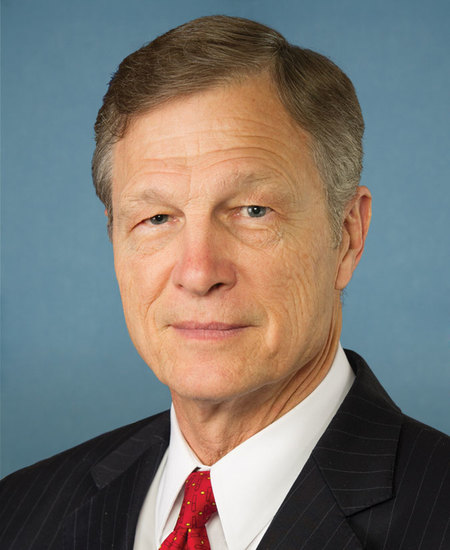
Introduced by Brian Babin, Don Bacon, Nanette Barragán and 28 other co-sponsors

HR 3474 promotes mechanical insulation in federal buildings, offering incentives and training to boost energy efficiency, cut costs, and reduce greenhouse gas emissions.

Committee Consideration and Mark-up Session Held
0
0
Bill Summary • HR 3474

Summary of HR 3474 - Federal Mechanical Insulation Act

Purpose and Intent

The Federal Mechanical Insulation Act (HR 3474) aims to promote the use of mechanical insulation in federal buildings and facilities. The bill seeks to enhance energy efficiency, reduce greenhouse gas emissions, and lower energy costs through the implementation of mechanical insulation systems. By establishing guidelines and incentives for the adoption of these systems, the legislation intends to support sustainable building practices and improve overall energy performance in federal infrastructure.

Key Provisions

  • Incentives for Mechanical Insulation: The bill proposes financial incentives for federal agencies to install mechanical insulation in new and existing buildings. This includes grants or funding opportunities to cover installation costs.

  • Standards and Guidelines: HR 3474 mandates the development of standards and guidelines for the installation and maintenance of mechanical insulation. These standards will ensure that insulation systems meet energy efficiency benchmarks.

  • Training and Certification Programs: The legislation calls for the establishment of training programs for contractors and workers involved in the installation of mechanical insulation. This aims to ensure a skilled workforce capable of implementing the latest technologies and practices.

  • Reporting Requirements: Federal agencies will be required to report on the energy savings and emissions reductions achieved through the installation of mechanical insulation. This data will help assess the effectiveness of the program and inform future policy decisions.

Affected Parties

  • Federal Agencies: The primary entities affected by this bill are federal agencies responsible for managing government buildings and facilities. They will be required to adopt the new standards and guidelines outlined in the legislation.

  • Contractors and Workers: Individuals and companies involved in the installation of mechanical insulation will benefit from training programs and potential job opportunities as demand for skilled labor increases.

  • Environmental Stakeholders: Organizations focused on energy efficiency and environmental sustainability will likely support the bill, as it aligns with broader goals of reducing carbon footprints and promoting green building practices.

Procedural Aspects

  • Introduced Date: The bill was introduced in the House on May 15, 2025.

  • Committee Referral: Following its introduction, HR 3474 was referred to the House Committee on Energy and Commerce for further consideration.

  • Cosponsors: The bill has garnered support from a diverse group of cosponsors, including representatives from both major political parties, indicating a bipartisan interest in promoting energy efficiency through mechanical insulation.

Conclusion

HR 3474 represents a significant step towards enhancing energy efficiency in federal buildings through the promotion of mechanical insulation. By providing incentives, establishing standards, and fostering a skilled workforce, the bill aims to achieve substantial energy savings and contribute to environmental sustainability. As it moves through the legislative process, the bill's impact on federal infrastructure and energy policy will be closely monitored.

Hi! I'm your AI assistant for HR 3474. I can help you understand its provisions, impacts, and answer any questions.

Key Provisions Impacts Timeline
Sign in to chat