

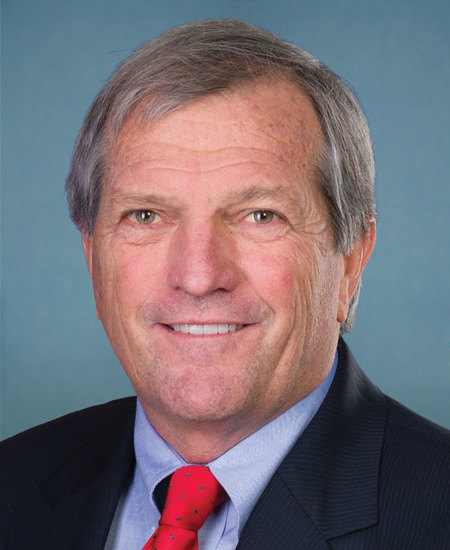
Federal Law Enforcement and Public Protection Act
The bill requires federal agencies to implement safe storage and locking standards for service firearms when not in use, including equipment, training, reporting, and funding.
Note: This summary reflects the text and structure as introduced. It focuses on the bill’s stated purpose, key provisions, affected parties, and procedural timeline.
The main requirements under § 3065 include:
- (a) Agency obligations: The head of each federal civilian or military law enforcement agency must prescribe safe storage and locking requirements for service firearms when not in use. The agency must provide appropriate equipment to officers and any individuals who assist the agency in its law enforcement functions, subject to availability of appropriations.
- (b) Minimum storage standards: The agency must adopt minimum standards, including:
- Officers must use approved methods (smart guns, smart locks, trigger locks, safes, gunlock boxes, or other agency-approved means) for safe storage when not in personal possession.
- Service firearms should not be stored in patrol or personally owned vehicles, except for temporary storage at court or when no other safekeeping option exists, or if authorized by the agency.
- Violations of storage requirements may be grounds for disciplinary action, with consideration of minimum punishment standards.
- (c) Reporting of loss/theft: Agencies must report any loss or theft of a service firearm to relevant state/local law enforcement agencies, the Bureau of Alcohol, Tobacco, and Firearms (ATF), and the FBI to facilitate central information on such incidents.
- (d) Training: Agencies must ensure that any person who assists in law enforcement functions and carries a firearm is trained in safe storage practices.
- (e) Written materials: Agencies must provide written materials to officers and assisting personnel about the statistical risks of keeping a firearm at home, emphasizing risks associated with easy home access.
- (f) Funding: Authorization of appropriations “such sums as may be necessary” to carry out § 3065, including equipment provision under (a).
If you’d like, I can provide a one-page briefing with quick-read bullets for policymakers or a comparison with existing federal storage guidance.
Compiled from official sources — confirm details with the bill’s official record.
Sign in to ask a question.