

Bill
Sponsor avatar

BILL • US HOUSE

HR 8796

Federal Halo Act

119th Congress
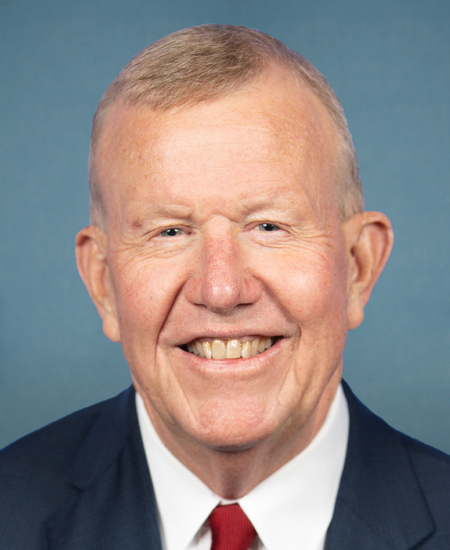
Introduced by Mike Ezell, Nicole Malliotakis,

Establishes a 15-foot safety buffer around federal officers and criminalizes approaching or remaining within that zone after a warning to impede, threaten, or harass the officer.

Introduced in House
0
0
Bill Summary · HR 8796

Overview

  • Bill: H.R. 8796 (Federal Halo Act)
  • Session: 119th Congress
  • Purpose: To protect federal law enforcement officers by establishing a safety buffer and criminalizing obstructive conduct within 15 feet of an officer performing official duties.

Main purpose and intent

  • Establish a specific criminal offense aimed at preventing interference with federal law enforcement officers during the performance of their duties.
  • Create a defined “safety buffer” around federal officers by prohibiting individuals from approaching within 15 feet after being warned to back away.
  • Deter actions such as interference, threats, or harassment that impede, threaten, or distress federal officers while they are executing legal duties.

Key provisions and changes

  • New offense: Adds a provision to Chapter 73 of Title 18, United States Code.
  • Definition of terms:
    • Federal law enforcement officer: Any federal officer or agent engaged in lawful performance of duties.
    • Harass: A course of conduct directed at a federal officer that knowingly and intentionally causes substantial emotional distress and serves no legitimate purpose.
  • Prohibited conduct:
    • After receiving a verbal warning to not approach, it is unlawful to knowingly violate the warning and approach or remain within 15 feet of the officer with the intent to:
    • Impede or interfere with the officer’s ability to perform duties.
    • Threaten the officer with physical harm.
    • Harass the officer.
  • Penalties: Violation carries a fine, imprisonment for up to 5 years, or both.
  • Technical update: Adds a new section (1522) titled “Obstructing law enforcement activities” to the statute table of sections in Chapter 73.

Who is affected

  • Individuals who approach or remain within 15 feet of a federal law enforcement officer who has issued a verbal warning.
  • Federal law enforcement officers who are engaged in lawful duties and who may be the target of interference, threats, or harassment.
  • The bill could apply across various federal agencies and scenarios where officers are performing official duties.

Procedural and timeline aspects

  • Introduction: May 13, 2026.
  • Referral: Referred to the House Committee on the Judiciary on the same date.
  • Next steps (typical): Committee deliberation, markup, and potential reporting to the full House for consideration. If enacted, the provision would become part of Title 18 of the U.S. Code.
  • No explicit effective date or sunset provision stated in the text provided.

Practical impact and considerations

  • Increases potential penalties for behavior toward federal officers, particularly in crowded or protest contexts where officers are present.
  • Creates a measurable safety buffer (15 feet) that can be cited in enforcement and policing contexts.
  • Could impact protest- or crowd-related activities near federal facilities or officers, subject to interpretation of warnings and “intent” to interfere or harass.
  • Defines “harass” in a way that targets conduct causing substantial emotional distress without legitimate purpose, potentially broadening the scope of prosecutable behavior.

If you’d like, I can provide a brief comparison with existing statutes on obstructing federal officers or summarize potential enforcement challenges and civil-liberties considerations.

Hi! I'm your AI assistant for HR 8796. I can help you understand its provisions, impacts, and answer any questions.

Key Provisions Impacts Timeline
Sign in to chat

Start the Conversation

Be the first to share your thoughts on this petition. Your voice matters!

Share your opinion above